
- Introduction
- Why Protecting Your Roof is Essential
- Common Types of Weather Damage to Roofs
- Steps to Protect Your Roof from Seasonal Damage
- Real-World Examples: Protecting Your Roof in Action
- Conclusion
How to Protect Your Roof from Seasonal Weather Damage
Your roof is one of the most important parts of your home, providing shelter, protection, and insulation. Over time, however, weather conditions such as rain, snow, wind, and sun can cause significant wear and tear on your roof. Seasonal weather changes can exacerbate existing problems or create new ones, leading to costly repairs if not properly managed. In this article, we’ll explore the best ways to protect your roof from seasonal weather damage, ensuring it remains in good condition for years to come.

Rochester Colonial Manufacturing
RochesterMonroe CountyNew York
1794 Lyell Ave, Rochester, NY 14606, USA
Why Protecting Your Roof is Essential
Roof protection is essential for several reasons. The roof is the first line of defense against the elements, and without proper maintenance, it can suffer from severe damage, leading to leaks, structural issues, and expensive repairs. Additionally, a well-maintained roof enhances the overall value of your home, provides better energy efficiency, and contributes to your family’s comfort and safety. By investing in preventive measures to protect your roof, you can avoid costly repairs and prolong its lifespan.

Pinnacle Roofing Inc.
SchenectadySchenectady CountyNew York
1101 Wedgewood Heights, Schenectady, NY 12306, USA
Common Types of Weather Damage to Roofs
Different types of weather conditions can cause specific types of damage to your roof. Understanding the most common weather-related roofing issues will help you take the right steps to prevent them:
1. Wind Damage
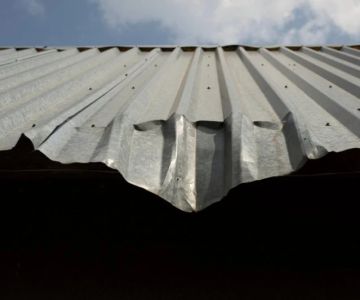
Strong winds, particularly during storms, can tear off shingles, loosen flashing, and cause debris to accumulate on your roof. Over time, this can weaken the roof structure, leading to leaks and other damage. Wind damage is especially common in areas prone to hurricanes, tornadoes, or severe thunderstorms.
2. Hail Damage
Hail can be incredibly destructive to roofing materials, especially to asphalt shingles. Hailstones can crack, dent, or break shingles, creating points of entry for water. If not addressed promptly, hail damage can lead to significant leaks and even premature aging of your roof.
3. Snow and Ice Damage
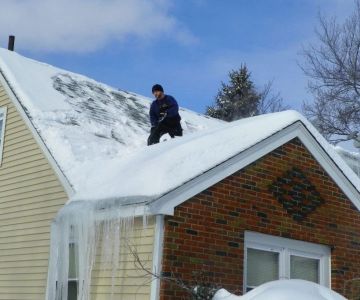
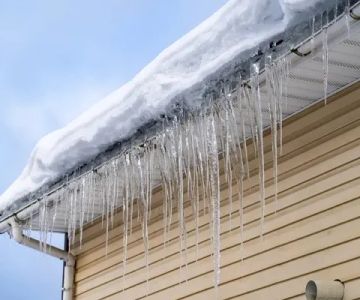
In colder climates, the accumulation of snow and ice can lead to several issues. Ice dams can form at the edge of your roof, blocking water from draining off properly. As the ice melts, the trapped water can seep under shingles and cause leaks. Additionally, the weight of heavy snow can cause structural stress on your roof, leading to sagging or even collapse in extreme cases.
4. Sun and Heat Damage
In hot, sunny climates, prolonged exposure to UV rays can cause shingles to crack, curl, or lose their protective granules. This makes the roof more vulnerable to other forms of damage. Heat can also cause the roof to expand and contract, leading to structural stress over time.
Steps to Protect Your Roof from Seasonal Damage
Now that we’ve identified the common types of weather-related damage, here are the steps you can take to protect your roof from the elements:
1. Regular Roof Inspections
One of the most effective ways to protect your roof is through regular inspections. Hire a professional roofer to inspect your roof at least twice a year—once in the spring and once in the fall. Inspections allow you to identify any potential issues, such as loose shingles, damaged flashing, or areas of wear that may need repair before they worsen.
2. Clean Gutters and Downspouts
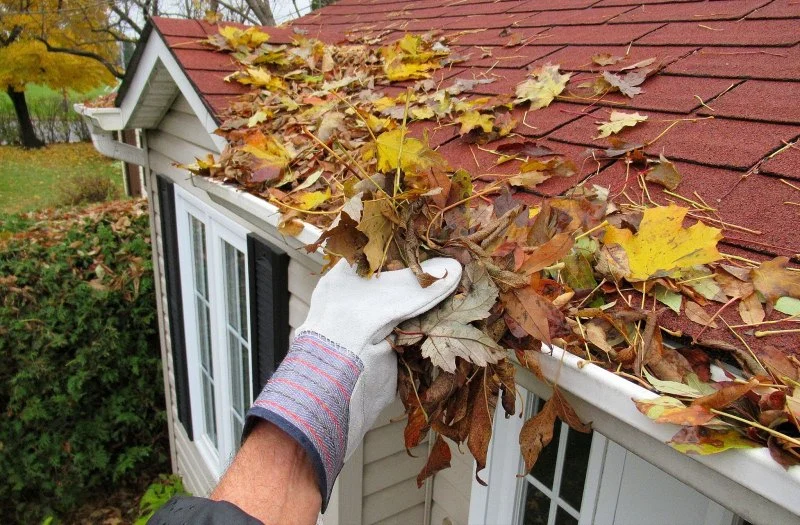
Clogged gutters can lead to water backing up and pooling on your roof, which can cause leaks and water damage. Make sure to clean your gutters regularly, especially in the fall when leaves and debris accumulate. Ensure that downspouts are clear to allow water to flow freely and prevent ice dams from forming in winter.
3. Install Impact-Resistant Roofing Materials
If you live in an area prone to hail or strong winds, consider installing impact-resistant roofing materials. These materials, such as synthetic or metal roofing, are designed to withstand harsher weather conditions and provide longer-lasting protection. While the upfront cost may be higher, the long-term benefits can save you money on repairs and replacements.
4. Insulate Your Attic and Roof
Proper insulation is crucial for protecting your roof against the damaging effects of heat and cold. Insulating your attic helps regulate temperature and prevents ice dams from forming in winter. It also helps reduce energy costs by keeping your home cooler in the summer and warmer in the winter.
5. Trim Trees and Remove Debris
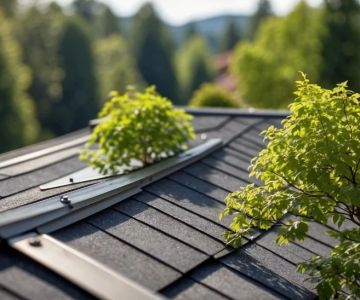
Overhanging trees can drop branches or leaves onto your roof during storms, potentially causing damage. Trim back trees regularly, especially those with branches that could fall onto your roof in high winds. Remove any debris, such as twigs and leaves, that may collect on the roof and clog gutters.
Real-World Experiences: Protecting Your Roof in Action
Real-life stories can provide valuable insights into how effective roof protection measures can prevent costly damage. Take the case of the Thompson family in Denver, who experienced heavy snow and ice build-up during the winter months. “We used to ignore the ice dam problem, but after a leak caused water damage in our attic last winter, we decided to take action,” says Sarah Thompson. “Now, we make sure our gutters are cleaned every fall and we’ve installed heat cables to melt the ice. It’s made a huge difference.”
Similarly, in Houston, Mike and Carla Rodriguez faced frequent windstorms that damaged their roof shingles. “After several years of replacing damaged shingles, we decided to upgrade to impact-resistant roofing,” says Mike. “While the initial investment was higher, we haven’t had to worry about wind damage since. It’s been well worth it.”
Conclusion
Protecting your roof from seasonal weather damage is essential for maintaining your home’s structural integrity and preventing expensive repairs. By taking preventive measures such as regular inspections, cleaning gutters, installing durable materials, and insulating your roof, you can ensure that your roof will withstand the elements for years to come. For more tips, roofing services, and quality roofing products, visit Total Roofing Hub for expert advice and reliable solutions.


 Mr. Handyman serving Citrus Park and Keystone4.0 (300 reviews)
 Falcon Roofing & Restoration - San Antonio5.0 (47 reviews)
 Teksa Roofing and More, LLC3.0 (2 reviews)
 RSI Roofing4.0 (103 reviews)
 Charlie Checklist5.0 (8 reviews)
 H&M Home Improvements5.0 (2 reviews)
 How to Detect Roofing Problems Before They Become Serious | Expert Tips for Homeowners
 How to Prevent Roof Materials from Warping or Curling: Key Tips for Long-Term Protection
 Roofing Underlayment Replacement: When It’s Necessary | Roofing Tips
 Siding for Homes With Irrigation Systems: Prevent Water Splash Damage
 How to Ensure Proper Flashing Installation During Siding Projects
 What’s the Best Time of Year to Replace Your Roof? Expert Seasonal Guide