- Why-Heavy-Snow-Can-Damage-Your-Roof
- Understanding-Snow-Load-and-Roof-Stress
- Preventive-Roof-Maintenance-Before-Winter
- Effective-Methods-for-Removing-Snow-from-Roofs
- How-to-Prevent-Ice-Dams-on-Your-Roof
- Real-Example-of-Snow-Damage-to-Residential-Roofs
- Tools-and-Equipment-for-Winter-Roof-Protection
- Professional-Tips-for-Long-Term-Roof-Durability
1. Why Heavy Snow Can Damage Your Roof
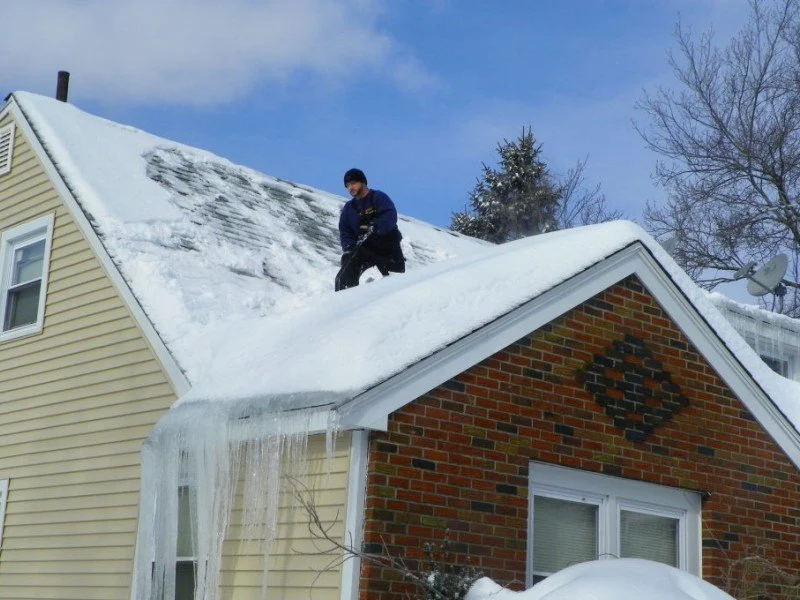
Winter storms across many parts of the United States bring beautiful snow-covered landscapes, but they can also pose serious risks to residential roofs. When snow accumulates on a roof, the weight can place significant pressure on the entire structure. If left unchecked, heavy snow can lead to leaks, structural damage, or even roof collapse.
1.1 The Hidden Weight of Snow
Many homeowners underestimate how heavy snow can become. Fresh snow may seem light, but as it accumulates and compacts, its weight increases dramatically. Wet snow is especially heavy and can quickly stress roofing materials.

1.2 Structural Risks to Homes
Roofs are designed to handle certain snow loads, but prolonged storms or rapid accumulation may exceed these limits. Over time, the added weight can weaken roof framing, cause sagging, and create small cracks that eventually allow water to enter the home.
Homeowners seeking reliable roofing tools, maintenance supplies, or professional roofing guidance often explore resources available through Total Roofing Hub to help prepare their roofs for harsh winter conditions.
2. Understanding Snow Load and Roof Stress
Snow load refers to the amount of weight snow places on a roof structure. Understanding this concept is essential for protecting homes during winter storms.
2.1 Types of Snow That Affect Roof Weight
2.1.1 Light Powder Snow
This type of snow contains less moisture and typically places less stress on roofs.
2.1.2 Wet and Heavy Snow
When snow becomes wet or partially melted, it absorbs water and becomes much heavier. This significantly increases the load on roofing structures.
2.2 Factors That Influence Roof Stress
Several factors determine how snow affects a roof, including roof pitch, building design, insulation levels, and local weather patterns.
3. Preventive Roof Maintenance Before Winter
Preventing winter roof damage begins with proper preparation before snowstorms arrive.
3.1 Inspect the Roof for Weak Areas
Before winter begins, homeowners should inspect shingles, flashing, and roof joints for signs of wear or damage.
3.2 Clean Gutters and Downspouts
3.2.1 Preventing Water Backup
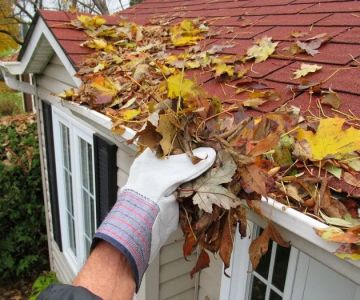
Clogged gutters can trap melting snow and cause water to back up under roofing materials.
3.2.2 Improving Drainage
Clear gutters allow melted snow to drain safely away from the roof.
Many homeowners purchase winter roof maintenance supplies from trusted sources like Total Roofing Hub to ensure their roofs are properly prepared before the first snowfall.
4. Effective Methods for Removing Snow from Roofs
Removing snow from roofs can significantly reduce structural stress and prevent winter damage.
4.1 Using a Roof Rake
A roof rake allows homeowners to remove snow from the edge of the roof while standing safely on the ground.
4.2 Clearing Snow Gradually
Snow should be removed evenly to avoid creating uneven weight distribution across the roof.
4.3 Avoiding Dangerous Climbing
Climbing directly onto a snowy roof can be hazardous. Professional assistance may be safer for large accumulations.
5. How to Prevent Ice Dams on Your Roof
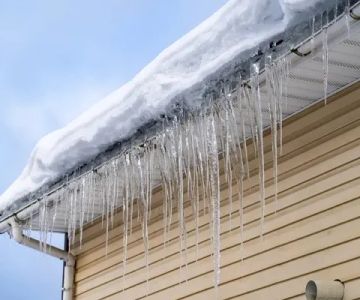
Ice dams are another major winter roofing problem that occurs when melting snow refreezes at the edge of the roof.
5.1 Why Ice Dams Form
Warm air escaping from the attic melts snow on the roof. The water flows down and refreezes near colder roof edges, forming ice dams.
5.2 Damage Caused by Ice Dams
5.2.1 Water Intrusion
Ice dams can trap water behind them, forcing moisture under shingles and into the home.
5.2.2 Interior Damage
Over time, trapped water can damage insulation, ceilings, and interior walls.
5.3 Improving Attic Insulation and Ventilation
Proper insulation helps maintain consistent roof temperatures and reduces the risk of ice dam formation.
6. Real Example of Snow Damage to Residential Roofs
During a particularly harsh winter in the northeastern United States, several communities experienced record snowfall. In one widely reported case, a homeowner returned after a weekend away to find their garage roof partially collapsed due to excessive snow accumulation.
6.1 What Went Wrong
The roof had older structural beams and had not been cleared of snow during repeated storms.
6.2 What Homeowners Can Learn
This situation highlights the importance of monitoring snow buildup and taking action early before excessive weight accumulates.
7. Tools and Equipment for Winter Roof Protection
Having the right equipment available makes winter roof maintenance much easier.
7.1 Roof Rakes
These tools are designed specifically for safely removing snow from roofs.
7.2 Snow Guards
Snow guards prevent large sheets of snow from sliding off the roof suddenly.
7.3 De-Icing Cables
Electric heat cables installed along roof edges help prevent ice dams.
Homeowners often explore roofing equipment and winter maintenance solutions through Total Roofing Hub when preparing their homes for severe winter weather.
8. Professional Tips for Long Term Roof Durability
8.1 Schedule Regular Roof Inspections
Annual inspections help identify potential weaknesses before winter storms arrive.
8.2 Improve Attic Ventilation
Proper airflow in the attic reduces temperature differences that cause snow melt and ice buildup.
8.3 Reinforce Older Roofing Structures
Homes with older roofs may benefit from structural reinforcement to handle heavy snow loads.
8.4 Work with Trusted Roofing Resources
Many homeowners rely on experienced roofing professionals and specialized supply providers like Total Roofing Hub to obtain tools, materials, and expert advice for maintaining strong and reliable roofs throughout the winter season.
By understanding how snow affects roofing systems and implementing preventive maintenance strategies, homeowners can significantly reduce the risk of winter damage and keep their roofs strong during even the harshest snowstorms.

 Mr. Handyman serving Citrus Park and Keystone4.0 (300 reviews)
 Falcon Roofing & Restoration - San Antonio5.0 (47 reviews)
 Teksa Roofing and More, LLC3.0 (2 reviews)
 RSI Roofing4.0 (103 reviews)
 Charlie Checklist5.0 (8 reviews)
 H&M Home Improvements5.0 (2 reviews)
 How to Detect Roofing Problems Before They Become Serious | Expert Tips for Homeowners
 How to Prevent Roof Materials from Warping or Curling: Key Tips for Long-Term Protection
 Roofing Underlayment Replacement: When It’s Necessary | Roofing Tips
 Siding for Homes With Irrigation Systems: Prevent Water Splash Damage
 How to Ensure Proper Flashing Installation During Siding Projects
 What’s the Best Time of Year to Replace Your Roof? Expert Seasonal Guide