- 1- Understanding Roof Sagging and Structural Issues
- 2- Common Causes of Roof Sagging and Structural Damage
- 3- How to Fix Roof Sagging and Structural Problems
- 4- Preventing Roof Sagging and Future Structural Issues
- 5- Conclusion: Ensuring Long-Term Roof Stability
1- Understanding Roof Sagging and Structural Issues
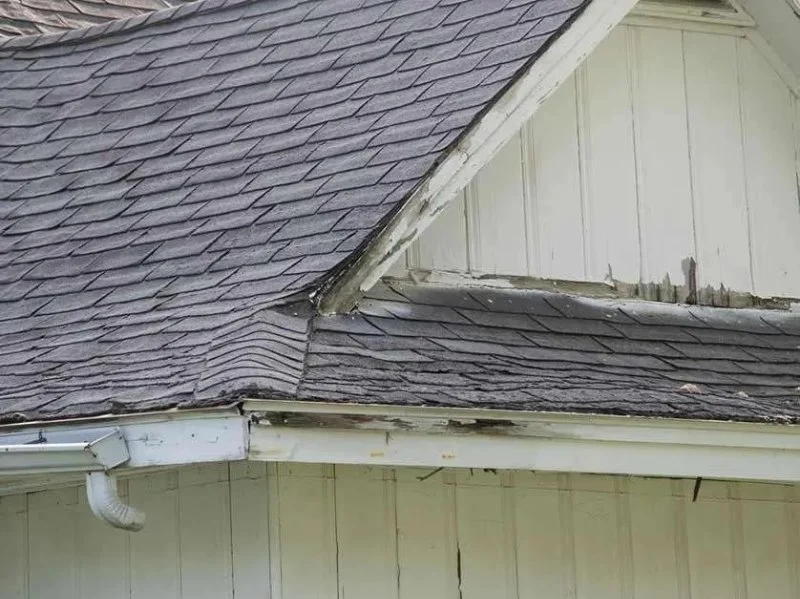
Roof sagging and structural issues are not only unsightly but can also pose a serious risk to the safety of your home. These problems occur when the roof’s load-bearing structure becomes weakened, either from age, poor design, or external factors like heavy snow or water damage. In this article, we’ll take a closer look at what causes roof sagging and other structural issues, how to address them, and most importantly, how to prevent them from happening again. Knowing when and how to repair a sagging roof can save you time, money, and the safety of your home.

Alpha Omega Construction Group, Inc.
AlpharettaForsyth CountyGeorgia
2170 Brandon Trail Suite B, Alpharetta, GA 30004, USA
2- Common Causes of Roof Sagging and Structural Damage
Roof sagging and structural problems can arise from several sources, and identifying the cause is the first step toward fixing the issue. Some of the most common causes include:
EMPIRE HOME IMPROVEMENT SERVICE LLC
Port ChesterWestchester CountyNew York
48 Clinton St, Port Chester, NY 10573, USA
Excessive Weight from Snow or Debris
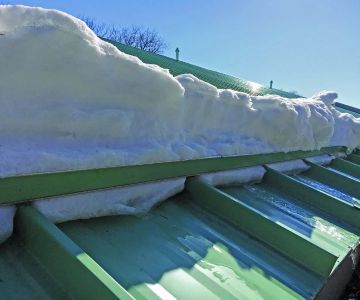
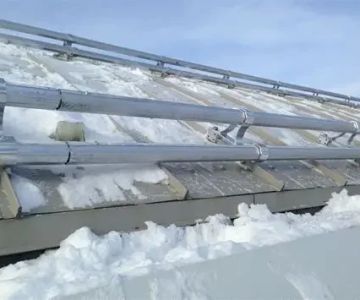
Heavy snowfall or accumulated debris such as leaves and branches can place too much weight on a roof. Over time, this weight can cause the roof structure to bend or sag. If you live in an area prone to heavy snow or storms, regular maintenance and inspections are crucial.
Poor Construction or Design
If your home’s roof was not properly designed or built to withstand certain conditions, such as the weight of the materials or the local climate, sagging can occur. This is often the case with older homes or those built with inferior materials. It’s essential to consult with a professional to evaluate the integrity of your roof structure if you suspect design flaws.
Water Damage
Leaking roofs or faulty gutters can lead to water damage, which weakens the roof’s structural supports. Over time, water can rot wooden beams and create mold or mildew that accelerates the deterioration of the roof. If your roof is leaking, it’s important to fix the leak immediately to prevent further damage.
Age of the Roof
As roofs age, the materials and supports that hold the roof in place can deteriorate. Wood beams weaken, nails rust, and roofing materials lose their strength. If your roof is over 20 years old, it may be time to get an expert assessment to determine if it’s still structurally sound.
3- How to Fix Roof Sagging and Structural Problems
If you’re dealing with roof sagging or structural issues, here are some steps you can take to address the problem:
Call a Professional Roofer
Roof sagging and structural damage can be dangerous to handle on your own. It’s highly recommended to hire a licensed roofer to assess and repair the damage. Professionals can determine the extent of the sagging and suggest the best course of action to restore the roof’s strength.
Reinforce the Roof Supports
In many cases, the best way to fix sagging is to reinforce the roof supports. This could involve adding additional beams or supports to redistribute the weight. Steel supports, for instance, may be used to bolster the existing framework, ensuring it can handle the weight and forces acting upon it.
Replace Damaged Roof Materials
If the roof material itself is compromised—such as rotting wood or cracked shingles—it’s essential to replace those sections to restore the roof’s integrity. Replacing damaged materials will help prevent leaks and other long-term problems.
Waterproof the Roof
Addressing the root cause of water damage is critical. After fixing any sagging or structural damage, ensure that your roof is waterproofed to prevent future leaks. This might involve replacing old or damaged flashing, applying waterproof membranes, or resealing joints and seams.
4- Preventing Roof Sagging and Future Structural Issues
Once your roof has been repaired, taking preventive measures can help prolong its life and avoid further issues. Here are some helpful tips to keep your roof in top condition:
Regular Inspections
Regular roof inspections are essential to catch small problems before they escalate. Have a professional roofer inspect your roof at least once a year, or after severe weather events, to ensure that it’s in good shape.
Clear Debris and Snow
Remove any debris, leaves, or snow that accumulates on your roof. Use a roof rake or hire a professional to safely remove snow buildup, particularly after a heavy storm. Keeping gutters clear is also important to prevent water from pooling on the roof.
Upgrade Your Roofing Materials
If your roof is aging or was built with low-quality materials, consider upgrading to stronger, more durable materials. Metal roofs, for example, offer greater durability and are less likely to sag over time compared to traditional asphalt shingles.
5- Conclusion: Ensuring Long-Term Roof Stability
Roof sagging and structural issues are serious concerns, but with the right approach, they can be fixed and prevented in the future. By understanding the causes, knowing how to fix them, and taking proactive steps to maintain your roof, you can ensure that your home remains safe and secure. If you’re facing roof sagging or other structural problems, contact a professional roofer at Pro Found Roofing to get the best advice and solutions for your home.
 Marc Joseph remodeling5.0 (1 reviews)
 PRS Roofing Inc5.0 (9 reviews)
 KAPS CONSTRUCTION4.0 (5 reviews)
 Marshall Exteriors, LLC4.0 (213 reviews)
 S.W.A.T. Roofing & Consulting4.0 (46 reviews)
 MATFI RENOVATIONS LLC5.0 (23 reviews)
 Siding Material Fire Ratings: What’s Required & What to Choose
 Roof Talk: Common Terminology Every Homeowner Should Know
 How Often Should You Replace Your Home's Siding? Expert Tips on Siding Longevity
 The Average Lifespan of Asphalt Shingle Roofs: How Long Do They Last?
 How to Choose a Reliable Roofing Contractor Near You | Top Tips and Questions
 Should I Repair or Replace My Roof? – Expert Guide for U.S. Homeowners