Understanding Roof Repairs: DIY vs Professional Help
When it comes to maintaining your home, the roof is one of the most important yet often overlooked components. Roof repairs are essential for ensuring that your home remains safe, dry, and protected from the elements. But not all roof repairs require professional help—some issues can be tackled by homeowners themselves. However, knowing the difference between a simple DIY fix and a situation that requires a roofing professional is crucial to avoiding costly mistakes and further damage.
In this article, we’ll explore the truth about DIY roof repairs, when to call a professional, and provide tips for handling both types of situations. Whether you’re looking to save money on minor fixes or need to address a more serious issue, we’ve got you covered.
Common Roof Repairs You Can Handle Yourself
There are several minor roof repairs that many homeowners can manage on their own with the right tools and knowledge. Here are some common roof issues that may be safe to repair yourself:
1. Replacing Missing or Damaged Shingles
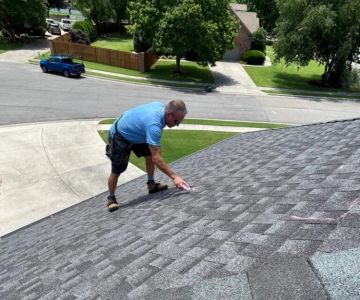
If you notice that a few shingles are missing or damaged, replacing them is a relatively easy task. You can purchase replacement shingles at your local hardware store and install them by lifting the surrounding shingles and securing the new ones in place. Be sure to use roofing nails and sealant to ensure the shingles stay securely in place.
2. Cleaning Gutters
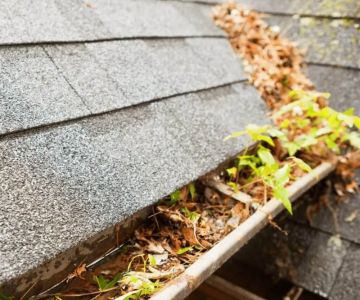
Clogged gutters can cause water to back up into the roof, leading to leaks and damage. Cleaning your gutters regularly is a straightforward task that you can do yourself with a ladder, gloves, and a garden trowel. Be sure to remove leaves, twigs, and debris, and check the downspouts for blockages.
3. Sealing Small Leaks
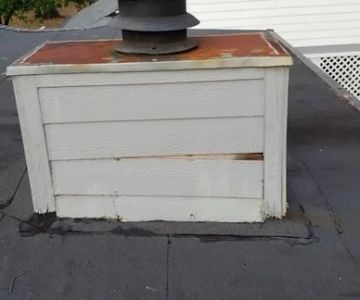
If you spot a small leak around the flashing or vent pipes, you might be able to apply a roofing sealant to stop the water from getting in. Before applying the sealant, clean the area thoroughly to ensure proper adhesion. This type of repair is usually quick and affordable for small issues.
When to Call a Professional Roofer
While some roof repairs are within the realm of DIY, others are best left to professionals. Roofs are complex structures, and improper repairs can lead to more significant damage and higher costs down the line. Here are some scenarios where you should call a roofing professional:
1. Extensive Roof Damage
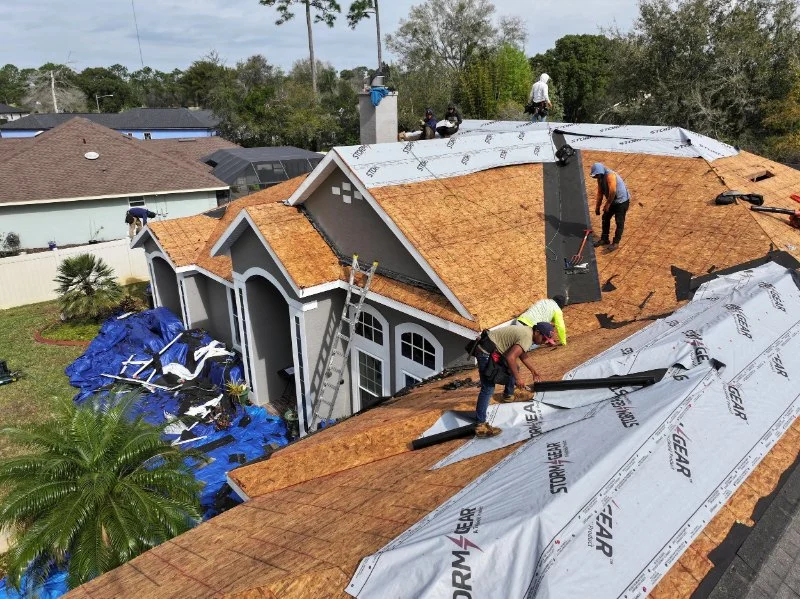
If your roof has significant damage—such as large areas of missing shingles, severe leaks, or structural issues—professional help is needed. Repairing extensive damage requires specialized knowledge and equipment to ensure the roof is properly restored. A professional roofer will assess the situation, determine the best course of action, and guarantee that the repairs are done correctly to avoid future issues.
2. Roof Replacement
When your roof is beyond repair or nearing the end of its lifespan, roof replacement is necessary. Replacing an entire roof is a complex and costly process that requires expertise and experience. Professional roofers have the tools and knowledge to remove the old roofing materials, install new ones, and ensure the job is done safely and efficiently.
3. Complex Roofing Systems
If your roof has complex features, such as skylights, chimneys, or multiple slopes, DIY repairs can be dangerous and difficult. A professional roofer is trained to work on complex roofs, ensuring that every aspect of the repair is addressed, including the flashing and ventilation systems.
4. Unsafe Work Conditions
Roof work is risky, especially if you’re not accustomed to working at heights. If you don’t have the right equipment, such as a sturdy ladder or safety harness, attempting DIY repairs can put you at serious risk. Professionals are trained to work safely and are equipped with the necessary tools to get the job done without compromising safety.
DIY Roof Repair vs Professional Roofing Costs
One of the main reasons homeowners opt for DIY roof repairs is to save money. However, it’s important to consider both the immediate costs and the potential long-term expenses. While DIY repairs may save you money upfront, poorly executed repairs can lead to bigger problems down the road. Professional roofers, though more expensive, can provide long-term value by ensuring the repairs are done correctly the first time, reducing the risk of future issues.
Here’s a comparison of the potential costs:
- DIY Repairs: Typically cost less upfront, especially for small fixes like replacing a few shingles or cleaning gutters. However, there are still costs for materials and tools.
- Professional Roofing: The cost of hiring a professional roofer can range from a few hundred to several thousand dollars, depending on the scope of the repair. While it’s a larger investment, you’re paying for expertise, quality materials, and a warranty on the work.
Real-Life Case Studies of Roof Repair
Consider the case of Mark, a homeowner who tried to repair a small leak around his chimney himself. He used a sealant, but unfortunately, his repair didn’t last, and the leak came back worse than before. He eventually had to hire a professional roofer, which cost him more in repairs than if he had just called a professional from the start.
On the other hand, Sarah, a homeowner in a similar situation, realized the importance of calling a roofing professional immediately when her roof started leaking after a storm. She called a reputable roofing company, which conducted a thorough inspection and fixed the problem quickly, saving her time and money in the long run.
Roof Maintenance Tips to Avoid Expensive Repairs
Preventative maintenance is key to extending the life of your roof and avoiding costly repairs. Here are a few maintenance tips that can help keep your roof in good condition:
- Inspect your roof regularly for signs of damage, such as missing shingles or broken tiles.
- Clean your gutters regularly to ensure proper water drainage and avoid water damage to your roof.
- Trim trees near your roof to prevent branches from damaging the shingles or causing blockages.
- Schedule a professional roof inspection at least once a year to identify potential issues early.
Why You Should Trust a Roofing Professional
Hiring a professional roofer ensures that your roof is in good hands. Roofing experts have the knowledge, experience, and equipment to handle any roofing issue, from minor repairs to full roof replacements. By entrusting your roof to professionals, you ensure that your home remains protected and avoid the risks associated with DIY repairs.
If you're looking for a reliable and experienced roofer, visit Total Roofing Hub for recommendations and services to help keep your roof in top shape.
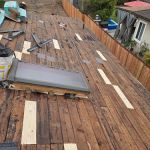 Creative Roofing Solutions5.0 (21 reviews)
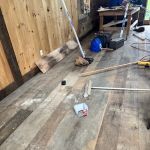 stormwisepro4.0 (31 reviews)
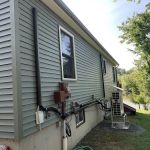 All Pro Industries, Inc. | Home Construction & Remodels5.0 (9 reviews)
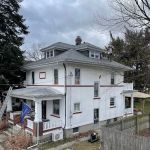 AsYourOwn Roofing & Remodeling4.0 (8 reviews)
 TeamCraft Roofing5.0 (2 reviews)
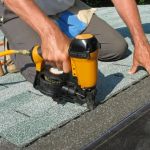 Clearview Roofing & Construction - Port Washington4.0 (128 reviews)
 The Best Roofing Materials for Cold Climates That Protect Your Home
 How to Detect & Address Hidden Water Damage Behind Your Siding
 What’s the Best Time of Year to Replace Your Roof? Expert Seasonal Guide
 Siding Material Innovations: Composite, Recycled, Smart Siding for Modern Homes
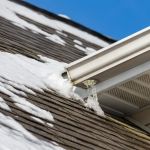 Best Roofing Materials for Cold Climates | Roofing Tips and Maintenance
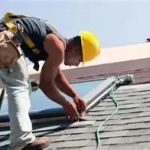 Everything You Need to Know About Roof Warranties