
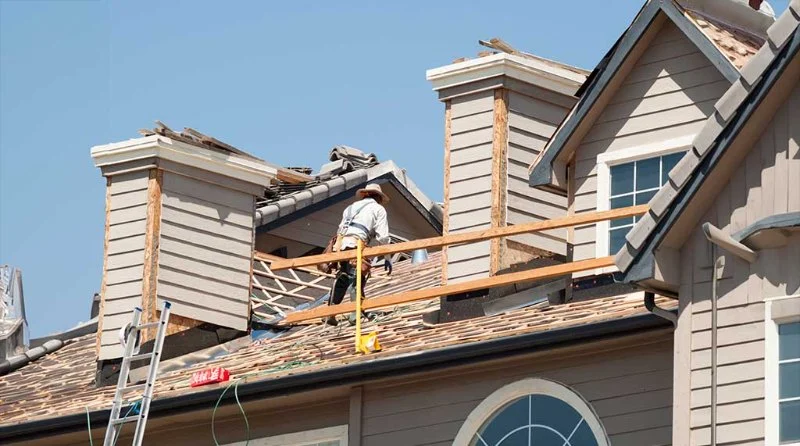
Why Timing Matters When Replacing Your Roof
Replacing your roof is a significant investment, and choosing the right time to replace it can have a major impact on the quality, cost, and longevity of your new roof. While it’s essential to replace a roof at the right time to avoid issues like leaks or damage, the timing of the replacement also affects the project’s overall cost and the materials used. This article will guide you through the best time of year to replace your roof in the United States, as well as other factors to consider to ensure a successful roof replacement.
Best Time of Year to Replace Your Roof
The ideal time for roof replacement can vary depending on where you live in the United States and the climate conditions in your area. However, there are general trends that can help you decide when to replace your roof:
- Spring (March to May): Spring is often considered one of the best times to replace your roof. The weather is usually mild, which makes it easier for contractors to work efficiently. Spring allows for proper ventilation and optimal conditions for the roofing materials, helping the roof cure properly. Additionally, contractors are often less busy compared to the peak summer season, so you may find more availability and potentially lower labor costs.
- Fall (September to November): Fall is another excellent time for roof replacement, particularly in areas with harsh winters. The temperatures are generally cooler, but not too cold, which allows for better adhesion of roofing materials. Many homeowners opt to replace their roof before the winter months to avoid damage from snow or ice. The fall season is also a great time for roofing because the contractors are wrapping up the summer busy season, so there may be more flexibility in scheduling.
- Summer (June to August): While summer can still be a good time to replace your roof, it’s not always the best option, particularly in regions that experience extreme heat. High temperatures can make roofing materials, such as asphalt shingles, soft and prone to damage. Roofing contractors are also often busiest during the summer, which could result in higher prices and longer wait times.
- Winter (December to February): Winter is typically not the ideal time to replace your roof, especially in colder climates. Freezing temperatures can interfere with the installation of roofing materials, such as shingles, which may not seal properly. Snow and ice can also delay work, and contractors may not be available or have limited availability. However, if your roof has suffered significant damage, winter replacement may be necessary, especially if you can find a contractor with experience working in winter conditions.
Factors to Consider When Replacing Your Roof
When choosing the best time to replace your roof, several factors can influence your decision:
- Weather Conditions: Always consider the typical weather conditions in your region. If you live in an area with frequent rainfall or snow, it’s better to replace the roof in the dry months. Avoid roofing projects during peak rainy or winter seasons to prevent delays and water damage.
- Roofing Material: Different roofing materials may have specific installation needs. For example, some materials, like asphalt shingles, perform best in moderate temperatures. In contrast, metal roofing can often be installed during colder months without issue.
- Roof Condition: If your roof has reached the end of its lifespan or has sustained significant damage, the best time to replace it is as soon as possible. Delaying a roof replacement can lead to water damage, structural issues, and other costly problems.
- Contractor Availability: The availability of roofing contractors is a significant factor. The busiest months for contractors are typically during the spring and summer, which could lead to longer wait times for service. If you need your roof replaced quickly, you may need to work with contractors who are available during off-peak times like fall or winter.
Real-Life Case Study: Roof Replacement in Different Seasons
In 2019, the Clark family in Denver decided to replace their 20-year-old roof. They opted to replace it in the spring, as the weather was mild and there were fewer contractors available during the peak summer season. The family was able to secure a discounted price and have the roof completed quickly. By opting for a spring replacement, they avoided the harsh winter conditions that could have caused delays or damage to the materials. This real-life example highlights the advantages of planning a roof replacement during the spring or fall months for better pricing, contractor availability, and optimal installation conditions.

HPO.Construction | Network of Professional Builders
PasadenaLos Angeles CountyCalifornia
250 E Villa St, Pasadena, CA 91101, USA
Tips for a Successful Roof Replacement Process
Here are some additional tips to ensure a smooth roof replacement process:
- Get Multiple Quotes: Always get quotes from several roofing contractors to compare prices and services. This will give you an idea of the going rates in your area and help you find the best deal.
- Choose a Reputable Contractor: Choose a licensed and insured contractor with good reviews and references. A reputable contractor will ensure that the job is done correctly and safely.
- Prepare for the Installation: Remove any obstacles around your home and ensure your yard is clear for the crew to work. Be prepared for some noise and disruption during the installation process.
- Consider Energy-Efficient Options: If you’re replacing your roof, consider energy-efficient materials like cool roofs or reflective shingles that can help reduce energy costs and keep your home cooler in the summer months.
 J&R Contracting Group4.0 (13 reviews)
 Total Roofing & Exteriors5.0 (19 reviews)
 PROCO Roofing & Construction4.0 (17 reviews)
 PriceWise Roofing4.0 (15 reviews)
 Abraham Roofing & Siding4.0 (10 reviews)
 All Pro Roofing and Consulting LLC4.0 (122 reviews)
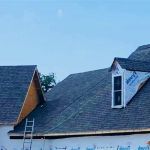 Top 10 Signs Your Roof Needs Immediate Repair: Keep Your Home Safe
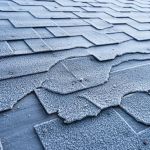 Top 10 Signs Your Roof Needs Immediate Repair
 James Hardie vs Vinyl vs Wood Siding: Cost & Durability Comparison
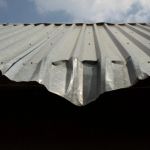 How to Prevent Roof Damage from Weather Changes: Expert Tips
 Roof Damage Hidden Behind Drywall or Interior Ceilings: What You Need to Know
 The Complete Guide to Metal Roofing Systems – Types, Benefits, and Costs