
- 1 - Understanding-Roof-Replacement-Timelines
- 2 - Factors-Influencing-Roof-Replacement-Duration
- 3 - Typical-Timelines-For-Residential-Roofing-Projects
- 4 - Commercial-Roofing-Timelines
- 5 - Weather-And-Seasonal-Considerations
- 6 - Material-Selection-And-Its-Impact-On-Timelines
- 7 - Preparation-And-Permit-Process
- 8 - Unexpected-Delays-And-How-To-Manage-Them
- 9 - Tips-For-Efficient-Roof-Replacement
- 10 - Real-Life-Examples-Of-Roofing-Project-Timelines
- 11 - How-Total-Roofing-Hub-Can-Help
- 12 - Final-Thoughts-On-Planning-Roof-Replacement
1. Understanding Roof Replacement Timelines
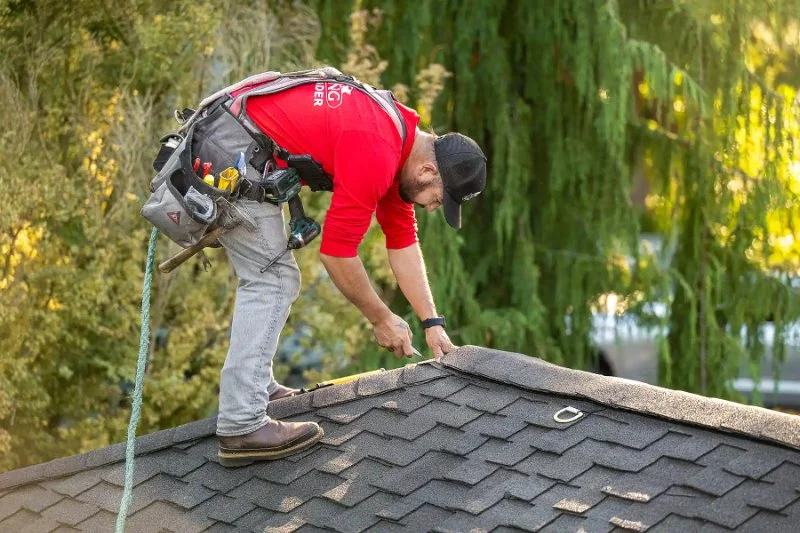
When planning a roof replacement, knowing the timeline is crucial to avoid disruptions and ensure proper scheduling. Roof replacement timelines refer to the total duration from initial inspection to project completion, including preparation, material delivery, installation, and cleanup.
Homeowners often underestimate the time required, assuming a roof replacement takes only a few days. While some small residential projects can be completed within 1–3 days, larger or complex jobs often extend over a week or more. Commercial roofing projects may span several weeks depending on scale and structure.
Understanding these timelines helps homeowners plan family activities, coordinate contractors, and manage expectations effectively. Accurate timelines also reduce stress, improve communication, and prevent costly mistakes.
2. Factors Influencing Roof Replacement Duration
Several factors determine how long a roof replacement will take:

Lake George Park Construction
Lake GeorgeWarren CountyNew York
2997 Lake Shore Dr, Lake George, NY 12845, USA
2.1 Roof Size and Complexity
Larger homes or buildings with multiple levels, dormers, or steep slopes require more labor and time to complete. Complex structures often need specialized equipment and safety precautions.
2.2 Material Choice
Asphalt shingles are generally faster to install, while metal, slate, or tile roofs may take longer due to weight, cutting, and specialized installation requirements.
2.3 Weather Conditions
Rain, snow, or extreme heat can delay roofing work. Contractors often schedule projects in favorable weather windows to ensure safety and quality installation.
2.4 Permit and Inspection Requirements
Securing permits and arranging municipal inspections can add days or even weeks to the timeline. Some regions have more stringent permitting processes that impact the overall schedule.
2.5 Contractor Availability
Roofing companies often have busy schedules, especially during spring and summer. Early booking is critical to ensure your project starts on time.
3. Typical Timelines for Residential Roofing Projects
For an average residential roof replacement:
- Small roof (under 1,500 sq. ft.): 1–3 days
- Medium roof (1,500–3,000 sq. ft.): 3–5 days
- Large roof (over 3,000 sq. ft.): 5–7+ days
Preparation includes removing old shingles, inspecting decking, and repairing underlying structures. Installing underlayment and shingles is followed by flashing and final inspection. Cleanup and disposal add extra hours to the project.
4. Commercial Roofing Timelines
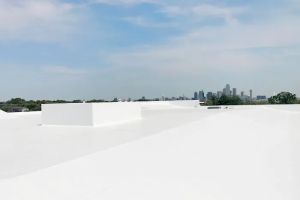
Commercial projects are larger and may involve flat roofs, multiple buildings, or specialized coatings. Typical timelines:
- Small commercial building: 1–2 weeks
- Medium-sized facility: 2–4 weeks
- Large complexes or multi-building campuses: 4–8+ weeks
Coordination with tenants, structural engineers, and city inspectors can further affect timelines.
5. Weather and Seasonal Considerations
Weather impacts productivity and safety. Ideal conditions include dry weather with moderate temperatures. Extreme heat can make roofing dangerous, while rain or snow can delay work and affect material adhesion.
Spring and summer are busiest, which can also mean contractors’ schedules are full, causing additional wait times.
6. Material Selection and Its Impact on Timelines
Different roofing materials influence project length:
- Asphalt Shingles: Fastest to install, generally 1–3 days for small homes
- Metal Roofing: Requires more time due to cutting and specialized fastening, 3–7 days
- Slate or Tile: Heavy and delicate, often 1–2 weeks
- Flat Membrane Roofing: Installation may take longer depending on layers and curing time
7. Preparation and Permit Process
Preparation steps include:
- Home or building inspection
- Structural repairs if needed
- Ordering materials in advance
- Obtaining necessary permits
Permit approvals vary by city. In some areas, inspections may require multiple days between stages, extending the total timeline.
8. Unexpected Delays and How to Manage Them
Even with careful planning, delays happen:
- Sudden weather changes
- Material delivery issues
- Hidden roof damage discovered during removal
- Contractor staffing shortages
Managing delays includes having backup materials, flexible schedules, and clear communication with your roofing contractor. Contingency planning reduces stress and keeps projects on track.
9. Tips for Efficient Roof Replacement
- Book your contractor well in advance
- Choose materials that match both your budget and timeline needs
- Clear the area around your home for easy access
- Ensure proper permits are secured before work begins
- Communicate openly with the roofing team
- Consider working during seasons with predictable weather
10. Real-Life Examples of Roofing Project Timelines
A homeowner in Texas replaced a 2,000 sq. ft. asphalt shingle roof in four days, including removal, installation, and cleanup. A commercial warehouse in California with a metal roof required two weeks due to the complexity and size of the project.
These examples illustrate the variation based on project scope, material choice, and environmental factors.
11. How Total Roofing Hub Can Help
Total Roofing Hub connects homeowners with trusted roofing professionals, offering guidance on timelines, materials, permits, and cost estimates. Families can access detailed project planning advice and ensure their roofing replacement proceeds efficiently.
By using Total Roofing Hub resources, homeowners can reduce stress, avoid common pitfalls, and receive professional recommendations tailored to their specific needs.
12. Final Thoughts on Planning Roof Replacement
Understanding roof replacement timelines is essential for a smooth project. By considering size, materials, weather, and permitting, homeowners can anticipate challenges and plan accordingly.
Effective communication with contractors and preparation can shorten delays, ensure quality work, and provide peace of mind. Exploring professional guidance from Total Roofing Hub ensures your roofing investment is completed efficiently and effectively.
 Roof Craft Systems0.0 (0 reviews)
 All Weather Roofing and Wood5.0 (2 reviews)
 Florida Coastal Construction & Roofing Inc.4.0 (34 reviews)
 Pawcatuck Roofing Company Inc.4.0 (207 reviews)
 Melo's Construction4.0 (20 reviews)
 Seacoast Roofing of NH4.0 (77 reviews)
 How to Budget for a Roof Replacement Project: Essential Tips and Strategies
 Roof Leak Trace-downs: From Ceiling to Attic to Exterior
 Roof Performance Comparisons by Material & Climate
 Essential Tips to Prevent Roof Damage from Improper Maintenance
 The Complete Guide to Metal Roofing Systems | Total Roofing Hub
 The Average Lifespan of Asphalt Shingle Roofs: How Long Do They Last?