
- 1 - Understanding-Weather-Risks
- 2 - Inspecting-Your-Roof-Regularly
- 3 - Choosing-Weather-Resistant-Materials
- 4 - Preventive-Maintenance-Strategies
- 5 - Reinforcing-Roof-Structures
- 6 - Managing-Gutters-And-Drainage
- 7 - Emergency-Preparedness-And-Repair
- 8 - Real-Life-Weather-Damage-Stories
- 9 - Long-Term-Roof-Care-And-Monitoring
1. Understanding Weather Risks
Severe weather conditions, including storms, hail, heavy rain, snow, and strong winds, pose significant threats to residential and commercial roofs. Understanding the types of weather risks in your area is the first step to effective protection.

1.1 Storm Damage
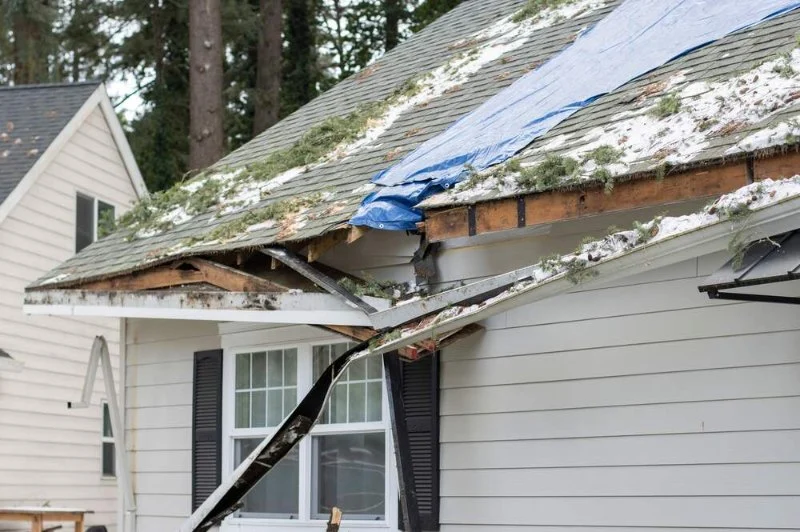
High winds can lift shingles, loosen flashing, and cause structural damage. Hail can puncture roofing materials, leading to leaks and weakened surfaces.

King Remodeling Corp roofing contractor
48 Kenova St, Buffalo, NY 14214, USA
1.2 Rain and Snow
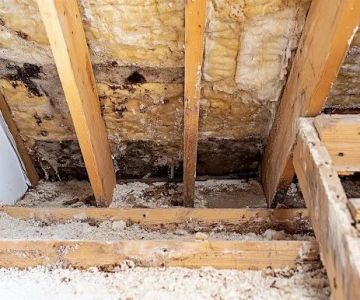
Heavy rainfall can saturate roof materials and drainage systems, resulting in water infiltration and potential mold growth. Snow accumulation increases weight load and risks of collapse or ice dams.
1.3 Sun and Heat
Prolonged exposure to sun and extreme temperatures can degrade roofing materials, reducing lifespan and performance.
2. Inspecting Your Roof Regularly
Routine inspections help detect issues early, preventing minor damage from escalating during severe weather events.
2.1 Visual Checks
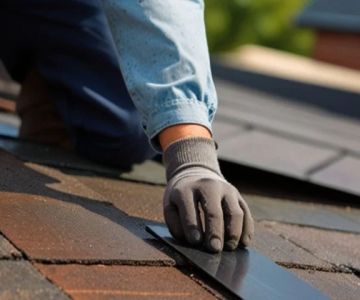
Look for missing or damaged shingles, cracks in flashing, and signs of water stains or mold growth inside the attic.
2.2 Professional Inspections
Certified roofers from Total Roofing Hub can perform detailed inspections using tools such as drones or infrared imaging to detect hidden damage or weak points.
2.3 Post-Storm Evaluation
After severe weather, inspect the roof for debris, displaced shingles, and water infiltration, and document any damage for insurance purposes.
3. Choosing Weather-Resistant Materials
Material selection plays a critical role in protecting roofs from severe weather.
3.1 Asphalt Shingles
Durable and cost-effective, high-quality asphalt shingles resist wind and rain but may require reinforcement in areas prone to hail or heavy snow.
3.2 Metal Roofing
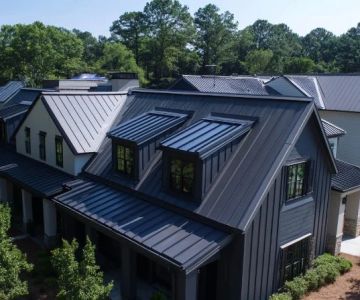
Metal panels offer excellent resistance to wind, hail, and fire. Proper installation prevents leaks and enhances longevity.
3.3 Slate and Tile
Heavy and long-lasting, slate and clay tiles withstand harsh weather, though installation and structural support costs are higher.
3.4 Synthetic Materials
Advanced synthetic shingles or membranes simulate natural materials while providing superior durability and flexibility against impact and temperature changes.
4. Preventive Maintenance Strategies
Preventive care ensures optimal performance and resilience during severe weather.
4.1 Cleaning Debris
Remove leaves, branches, and dirt to prevent water accumulation and material decay.
4.2 Sealing and Coating
Apply waterproof sealants and reflective coatings to protect surfaces from water damage and UV degradation.
4.3 Trim Nearby Trees
Limiting tree overhang reduces the risk of falling branches causing damage during storms.
5. Reinforcing Roof Structures
Structural reinforcement increases the roof’s ability to withstand severe conditions.
5.1 Roof Deck Reinforcement
Ensure sheathing and supports meet local building codes, especially in hurricane- or tornado-prone regions.
5.2 Bracing and Strapping
Metal straps and braces enhance stability and prevent uplift in high winds.
5.3 Flashing and Vent Protection
Properly sealed flashing and vent covers prevent leaks during rain and ice buildup.
6. Managing Gutters and Drainage
Effective drainage prevents water accumulation and roof damage.
6.1 Clean and Inspect Gutters
Remove debris regularly to ensure smooth water flow.
6.2 Downspout Maintenance
Check that downspouts direct water away from the foundation, reducing the risk of structural water damage.
6.3 Install Gutter Guards
Prevent clogging during storms and heavy leaf fall, minimizing water overflow onto roofing materials.
7. Emergency Preparedness and Repair
Being prepared ensures rapid response to severe weather damage.
7.1 Emergency Supplies
Keep tarps, nails, adhesive, and temporary patches on hand for minor repairs until professional help arrives.
7.2 Professional Roofing Services
Contact certified roofers from Total Roofing Hub for immediate assessment and repair following storm damage.
7.3 Insurance and Documentation
Document all damage with photos and receipts for insurance claims to ensure coverage of repair costs.
8. Real-Life Weather Damage Stories
Examples illustrate the importance of proactive protection and maintenance.
8.1 Hailstorm in the Midwest
Homeowners ignored minor shingle cracks. A sudden hailstorm caused extensive damage, resulting in costly repairs. Preventive inspections could have mitigated losses.
8.2 Hurricane-Prone Coastal Home
Properly reinforced roof structures and impact-resistant materials protected a house during a Category 3 hurricane, preventing major water infiltration and structural damage.
8.3 Winter Ice Dam Incident
Poor attic insulation and clogged gutters led to ice dam formation, causing water leaks. Seasonal maintenance and gutter management would have prevented this scenario.
9. Long-Term Roof Care and Monitoring
Consistent attention ensures longevity and resilience against severe weather events.
9.1 Regular Professional Inspections
Schedule annual inspections with experts from Total Roofing Hub to identify vulnerabilities early.
9.2 Maintenance Log
Keep records of repairs, inspections, and material updates to track roof health and anticipate future maintenance needs.
9.3 Upgrading Materials
Consider upgrades to impact-resistant shingles, enhanced flashing, or metal roofing to improve long-term durability.
Protecting your roof from severe weather requires a combination of regular inspections, preventive maintenance, structural reinforcement, and rapid response to damage. Leveraging resources from Total Roofing Hub ensures homeowners can safeguard their property, maintain roof integrity, and reduce long-term repair costs.
 Bartlett Brainard Products Co.4.0 (40 reviews)
 Napolitano Roofing4.0 (23 reviews)
 Color Pros Painting LLC5.0 (91 reviews)
 First Roofing5.0 (8 reviews)
 Ideal Siding Dover5.0 (18 reviews)
 Walker Roofing & Construction4.0 (254 reviews)
 Siding Trends to Watch: Styles, Colors & Textures for 2025-2026
 How to Choose Roof Underlayment Based on Climate: Expert Guide for Homeowners
 Siding Material Innovations: Composite, Recycled, Smart Siding for Modern Homes
 Signs Your Roof Is Near End of Its Lifespan: How to Identify Roof Problems Early
 How to Maintain Your Siding Year Round: Seasonal Tips and Care
 The Best Roofing Materials for Cold Climates: Durable, Insulating, and Efficient Options