- 1 - Understanding-Roof-Leaks-and-Moisture
- 2 - Common-Causes-of-Mold-and-Moisture
- 3 - Early-Detection-and-Inspection-Tips
- 4 - Affordable-Preventive-Strategies
- 5 - Seasonal-Maintenance-and-Cleaning
- 6 - Real-Life-Case-Studies
- 7 - Choosing-The-Right-Roofing-Professional
- 8 - Additional-Preventive-Resources
1. Understanding Roof Leaks and Moisture
Roof leaks are one of the most common causes of mold and moisture problems in homes. Water penetration can lead to structural damage, decay, and unhealthy living environments if not addressed promptly. Understanding how leaks develop and how moisture spreads is key to preventing long-term damage.
1.1 How Roof Leaks Occur
Leaks often result from damaged shingles, aging flashing, clogged gutters, or improper installation. Water can infiltrate through tiny gaps or cracks, eventually reaching insulation, ceilings, and walls, creating ideal conditions for mold growth.
1.2 Effects of Moisture on Your Home
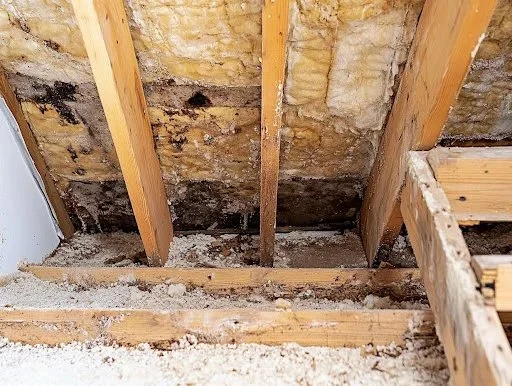
Moisture accumulation can cause wood rot, weaken structural supports, promote mold and mildew growth, and damage finishes and electrical systems. Identifying leaks early prevents these cascading problems and saves homeowners from expensive repairs.
2. Common Causes of Mold and Moisture
Understanding the root causes helps homeowners take proactive measures.
2.1 Damaged or Missing Shingles
Shingles protect the roof from water infiltration. When they are cracked, curled, or missing, water can easily seep underneath and create damp conditions conducive to mold.
2.2 Faulty Flashing
Flashing around chimneys, vents, and roof joints can deteriorate or become loose. Damaged flashing is a primary entry point for leaks and subsequent moisture accumulation.
2.3 Clogged Gutters
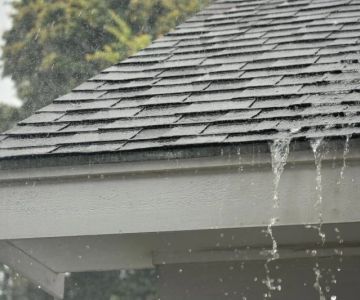
Blocked gutters cause water to pool on the roof, increasing the likelihood of leaks. Overflowing water can penetrate fascia boards, siding, and even the attic space, leading to mold growth.
2.4 Ice Dams and Condensation
In colder climates, ice dams can trap water under shingles, creating prolonged moisture exposure. Improper attic ventilation can lead to condensation, exacerbating mold risk even in the absence of visible leaks.
3. Early Detection and Inspection Tips
Regular inspections are critical to prevent mold and moisture problems from escalating.
3.1 Visual Roof Inspection
Check for missing or damaged shingles, sagging areas, and signs of water stains on ceilings or walls. Use binoculars for safe rooftop inspection and note any areas requiring professional attention.
3.2 Attic and Interior Checks
Inspect the attic for damp insulation, discoloration, or musty odors. Moisture in the attic often indicates a roof leak before visible damage appears on ceilings.
3.3 Use Moisture Meters
Professional inspectors use moisture meters and infrared cameras to detect hidden water infiltration, identifying potential problem areas without invasive procedures.
4. Affordable Preventive Strategies
Preventing mold and moisture problems doesn’t require major expenses. Consistent care and low-cost solutions can protect your home effectively.
4.1 Gutter Cleaning and Maintenance
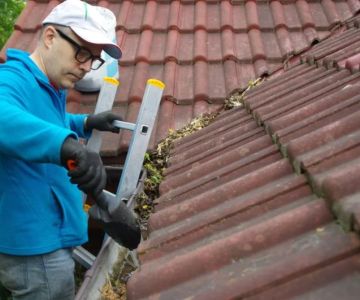
Regularly clear gutters and downspouts to ensure proper drainage. Install gutter guards to reduce debris buildup and prevent overflow.
4.2 Roof Sealant and Flashing Repair
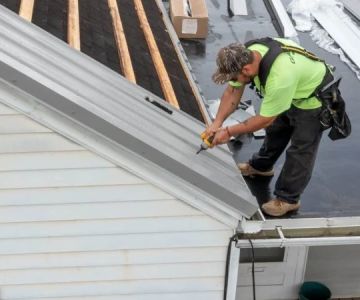
Apply sealants to minor cracks and ensure flashing around roof penetrations is secure. Small repairs prevent leaks from developing into serious water damage.
4.3 Trim Overhanging Branches
Tree branches can damage shingles and retain moisture. Pruning branches reduces debris accumulation and protects the roof from physical damage.
5. Seasonal Maintenance and Cleaning
Seasonal care reduces wear and tear and mitigates mold risk.
5.1 Spring
Inspect for winter damage, clean gutters, and remove debris. Check for any new leaks or sagging areas caused by snow and ice.
5.2 Summer
Ensure proper attic ventilation to prevent heat buildup and condensation. Inspect for UV damage to shingles and address minor cracks early.
5.3 Fall
Remove fallen leaves from roof and gutters. Inspect flashing and ensure gutters are ready for winter precipitation.
5.4 Winter
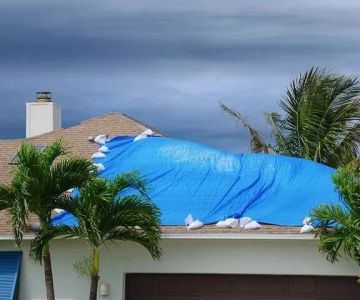
Monitor for ice dams and snow buildup. Use roof rakes safely to remove excess snow without causing damage.
6. Real-Life Case Studies
Practical examples illustrate effective prevention.
6.1 Suburban Home Leak Prevention
In Atlanta, a homeowner noticed minor shingle damage and proactively cleaned gutters and repaired flashing. Subsequent rains revealed no water penetration, and mold growth was prevented, saving thousands in repair costs.
6.2 Attic Moisture Control
In Boston, an old home experienced condensation issues in the attic. Installing proper ventilation and addressing minor roof leaks prevented mold and structural damage. Regular inspections and low-cost repairs preserved roof integrity.
7. Choosing the Right Roofing Professional
Professional expertise ensures repairs and preventive measures are effective.
7.1 Licensed and Insured Roofers
Hire licensed, insured roofing professionals to ensure quality and compliance with safety standards. Professionals can identify hidden damage and apply lasting solutions.
7.2 Expertise in Leak Detection and Mold Prevention
Choose contractors experienced in moisture management, mold mitigation, and roof repair. Specialized knowledge reduces the risk of recurring problems.
7.3 Trusted Platforms
Platforms like Total Roofing Hub connect homeowners with vetted professionals, provide educational resources, and recommend effective roofing products, ensuring reliable maintenance and protection against leaks.
8. Additional Preventive Resources
Combining professional support, routine maintenance, and homeowner awareness is essential for mold prevention.
8.1 Inspection and Monitoring Schedule
Schedule roof inspections at least twice a year and after major storms. Early detection allows for low-cost interventions before mold or structural issues develop.
8.2 Homeowner Education
Learn about signs of leaks, moisture accumulation, and proper attic ventilation. Informed homeowners can act promptly to prevent damage.
8.3 Use of Trusted Products and Tools
Products like sealants, gutter guards, and moisture meters help maintain roof integrity and prevent mold. Platforms like Total Roofing Hub provide recommendations and access to high-quality tools.
Preventing mold and moisture problems caused by a leaking roof requires vigilance, timely repairs, and seasonal maintenance. By combining proactive inspections, affordable preventive strategies, and professional guidance through trusted resources like Total Roofing Hub, homeowners can safeguard their property, maintain healthy living environments, and extend the life of their roof without excessive costs.

 Ace Handyman Services4.0 (469 reviews)
 Taylor Construction and Roofing4.0 (77 reviews)
 Williams Roofing4.0 (58 reviews)
 JP Construction LLC5.0 (1 reviews)
 J&M All-Pro Roofing & Construction LLC5.0 (33 reviews)
 Hydro Tight Roofing and Restoration4.0 (30 reviews)
 How to Spot Roof Wear and Tear Early
 The Average Lifespan of Asphalt Shingle Roofs – How Long Do They Last?
 How to Choose a Reliable Roofing Contractor Near You – Expert Tips
 How to Maintain Roof Integrity During Extreme Weather
 How to Protect Your Roof from Structural Issues
 Average Lifespan of Asphalt Shingles and How to Extend It