
How to Spot Roof Wear and Tear Early
- 1. Why Early Roof Inspection Matters
- 2. Common Signs of Roof Wear and Tear
- 3. Steps to Identify Roof Damage Early
- 4. Preventative Measures for Roof Maintenance
- 5. When to Call a Professional for Roof Repairs
1. Why Early Roof Inspection Matters
Roof wear and tear are inevitable over time, but identifying issues early can save you from expensive repairs or even the need for a complete roof replacement. Routine roof inspections allow homeowners to catch small issues before they escalate into significant problems. Early detection of roof damage helps maintain the structural integrity of your home and extends the lifespan of your roof.
Whether you’re dealing with seasonal weather conditions, normal wear from age, or unexpected storms, keeping an eye on the state of your roof is crucial. Regular roof inspections are an important step in protecting your home and preventing unnecessary expenses.
2. Common Signs of Roof Wear and Tear
Roof wear and tear can manifest in a variety of ways. Knowing what to look for will help you spot potential issues before they worsen. Here are some common signs of roof wear and tear:
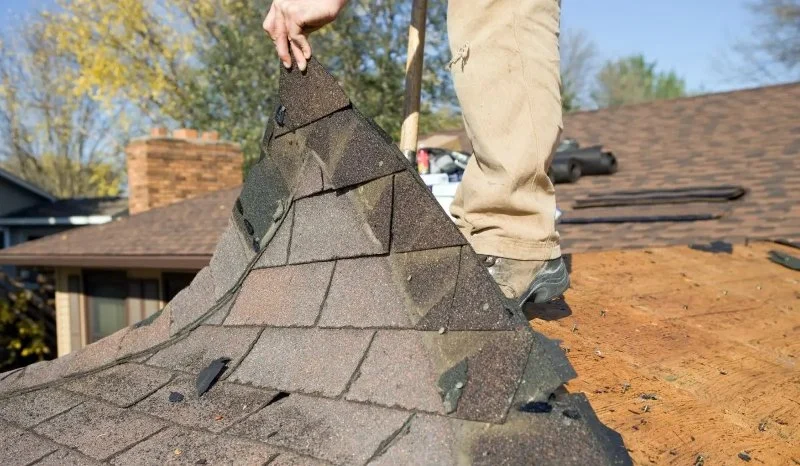
- Missing or Damaged Shingles: Shingles that are cracked, curled, or missing can expose the roof beneath to water damage. This is one of the most obvious signs that your roof needs attention.
- Leaking or Water Stains: Water stains on the ceiling or walls inside your home may indicate a roof leak. If you notice these, it’s time to check the roof for any visible damage.
- Sagging Roof Deck: If you notice any sagging areas on your roof, it could be a sign of water accumulation or structural damage. This requires immediate attention from a roofing professional.
- Clogged Gutters: While clogged gutters can occur from leaves and debris, they can also indicate that your roof is shedding granules from worn-out shingles. This could be a sign that your roof is nearing the end of its lifespan.
- Damaged Flashing: Flashing around chimneys, vents, or skylights should be tightly sealed. If you notice gaps or rust, it can lead to water infiltration and damage.
Identifying these signs early can prevent major issues like mold, structural damage, or even roof collapse. Regularly inspect your roof to keep an eye out for these warning signs.
3. Steps to Identify Roof Damage Early
Knowing how to inspect your roof for damage is essential for early detection. Here are the steps to help you identify roof wear and tear:
- Conduct Visual Inspections: Walk around your home and look at the roof from the ground. Use binoculars if necessary to get a closer look at the shingles, flashing, and other components. Look for any signs of wear, such as missing shingles or uneven surfaces.
- Check for Water Stains: Inside your home, inspect the attic and ceilings for water stains or damp areas, which could indicate a leak. If you notice these signs, it’s a good idea to check the roof as soon as possible.
- Examine the Gutters: Inspect your gutters for granules from shingles. Excessive granule loss can indicate that your roof shingles are deteriorating and may need to be replaced soon.
- Check for Vegetation Growth: Moss, algae, or lichen growth on your roof can trap moisture and cause damage to shingles. If you spot any vegetation, it’s a good idea to clean the roof and check for underlying damage.
- Inspect for Puddling Water: If you have a flat roof, look for any puddles or standing water after a rainfall. Prolonged exposure to standing water can weaken the roof’s integrity over time.
By following these steps, you can effectively monitor the health of your roof and catch problems early before they turn into expensive repairs.
4. Preventative Measures for Roof Maintenance
Maintaining your roof regularly can prevent the need for costly repairs. Here are some essential preventative measures:
- Clean Your Gutters: Regularly clean your gutters to prevent water buildup and ensure proper drainage. Clogged gutters can lead to water pooling on the roof and damaging the shingles.
- Trim Overhanging Trees: Trim tree branches that hang over your roof to prevent them from causing damage during storms. Additionally, falling leaves can clog gutters and promote moss growth.
- Roof Coatings: Consider applying a roof coating to add an extra layer of protection. These coatings help extend the lifespan of your roof by providing water resistance and UV protection.
- Check Flashing Regularly: Ensure that the flashing around chimneys, vents, and skylights is secure and intact. If the flashing is damaged, it can allow water to seep under the shingles.
By incorporating these practices into your roof maintenance routine, you can help extend the lifespan of your roof and prevent the need for major repairs.
5. When to Call a Professional for Roof Repairs
While DIY roof inspections and maintenance can help you stay ahead of minor issues, there are times when you need to call in a professional. If you encounter any of the following situations, it’s time to seek expert help:
- Severe Leaks: If you notice a significant leak or water damage inside your home, it’s important to call a roofing professional to assess the situation and make the necessary repairs.
- Extensive Damage: If your roof is showing signs of significant wear, such as missing shingles, sagging, or visible structural damage, a professional roofer will have the tools and expertise to fix the problem.
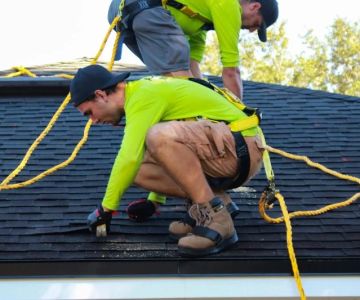
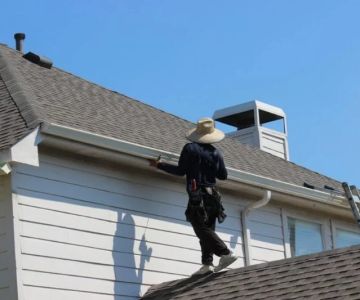
- Safety Concerns: Roof inspections and repairs can be dangerous, especially for steep or high roofs. If you’re uncomfortable with heights or lack the proper equipment, it’s best to hire a professional.
Hiring a professional ensures that your roof is repaired properly, preventing further damage and protecting your home from the elements.
 Solid Culver City Roofs4.0 (60 reviews)
 Woody's Roofing4.0 (183 reviews)
 ARAC - Roof It Forward5.0 (68 reviews)
 All American Roofing Inc.4.0 (24 reviews)
 Resilient Construction LLC4.0 (59 reviews)
 Roof Repair Services of Sugarland5.0 (19 reviews)
 When Siding Should Be Re-sealed or Painted
 Why Roof Maintenance Should Never Be Ignored
 How Local Building Codes Influence Your Roof & Siding Choices
 How to Spot Hail Damage on Your Roof and What to Do About It
 What to Know About Roof Replacement for Older Properties
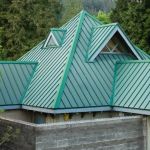 The Complete Guide to Metal Roofing Systems