
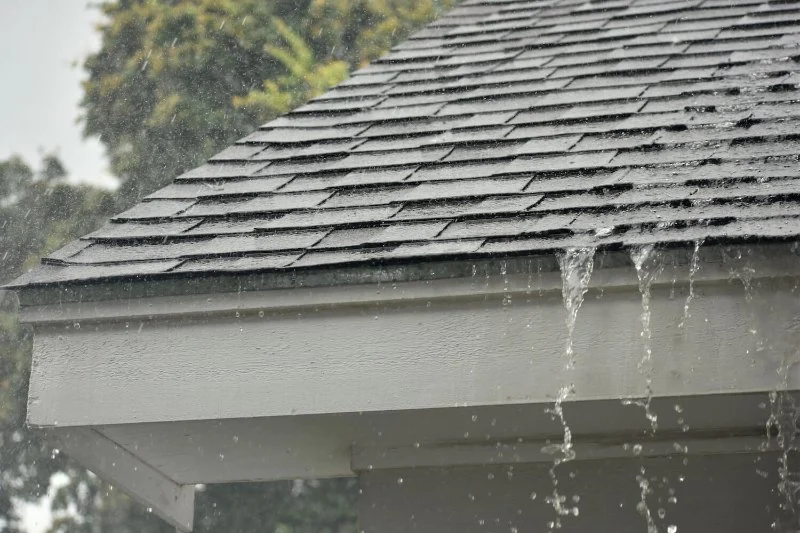
- 1-Why Post-Storm Roof Inspection Is Critical
- 2-Safety Preparation Before Roof Inspection
- 3-External Roof Inspection Tips
- 4-Internal Inspection for Leaks and Water Damage
- 5-Identifying Common Types of Storm Damage
- 6-Preventive Measures and Ongoing Maintenance
- 7-Real-Life Case Studies and Homeowner Experiences
- 8-Why Total Roofing Hub Can Assist With Roof Damage Assessment
1. Why Post-Storm Roof Inspection Is Critical
Heavy rainstorms can cause immediate and long-term damage to roofs, including leaks, shingle loss, and structural compromise. Timely inspections allow homeowners to identify issues early, prevent costly repairs, and ensure safety. Ignoring post-storm damage can lead to water intrusion, mold growth, and deterioration of roofing materials.
Potential Consequences of Neglected Damage
- Structural Weakening: Prolonged water exposure can compromise the roof deck and supporting structures.
- Interior Damage: Leaks may damage ceilings, insulation, electrical wiring, and interior finishes.
- Mold and Mildew: Moisture trapped inside the roofing system promotes microbial growth, creating health hazards.
- Reduced Lifespan: Unaddressed damage accelerates the aging of roofing materials, shortening their effective lifespan.
Recognizing these risks underscores the importance of a systematic inspection process following heavy rain events.
2. Safety Preparation Before Roof Inspection
Safety is paramount when inspecting roofs after storms. Structural damage and wet surfaces increase the risk of falls or injury.
Essential Safety Steps
- Wear Protective Gear: Use non-slip shoes, gloves, and safety goggles.
- Check Weather Conditions: Wait until rainfall has ceased and surfaces are not slippery.
- Use Ladders Safely: Ensure ladders are stable, extend beyond the roof edge, and use a spotter if possible.
- Consider Professional Help: Severe damage, steep roofs, or electrical hazards should be handled by trained roofing professionals.
Total Roofing Hub emphasizes combining homeowner caution with expert evaluation to ensure safe and effective inspections.
3. External Roof Inspection Tips
External inspection focuses on visible roof components that are exposed to storm elements.
Shingle and Tile Assessment
Look for missing, cracked, or displaced shingles or tiles. Pay attention to areas where granules have worn away, exposing underlayment.
Flashing and Sealant Check
Inspect flashing around chimneys, vents, skylights, and roof edges. Damaged or lifted flashing can allow water intrusion even if shingles appear intact.
Gutter and Downspout Evaluation
Check for debris, water pooling, or detached gutters. Clogged or damaged drainage systems exacerbate roof water damage and increase risk of leaks.
Signs of Structural Stress
Look for sagging sections, cracked fascia boards, or soft spots on roof edges. Such issues may indicate water saturation or structural compromise requiring immediate attention.
4. Internal Inspection for Leaks and Water Damage
Internal inspection complements the external evaluation, identifying leaks, water stains, and potential mold growth.
Attic Inspection
Check insulation for dampness, discoloration, or water stains. Inspect rafters and roof decking for signs of rot or fungal growth. Use a flashlight to detect subtle moisture lines.
Ceiling and Interior Walls
Look for water stains, peeling paint, or warping. Leaks may appear long after a storm, so careful observation of interior surfaces is essential.
Electrical and HVAC Considerations
Water intrusion can affect wiring and HVAC components. Ensure any wet areas near electrical lines are evaluated by licensed professionals to prevent hazards.
5. Identifying Common Types of Storm Damage
Understanding typical post-storm damage helps prioritize repairs:
Shingle Loss and Curling
High winds and water saturation can loosen shingles, leaving underlying structures exposed.
Leaks and Water Intrusion
Even small cracks in flashing or underlayment can cause leaks, leading to damage inside the home.
Debris Impact
Falling branches or debris can puncture roof surfaces or dent metal panels, requiring immediate assessment.
Gutter and Drainage Damage
Blocked or bent gutters prevent proper water flow, causing roof edge and fascia damage.
6. Preventive Measures and Ongoing Maintenance
Regular maintenance minimizes risk and extends roof lifespan:
Routine Inspections
Schedule roof inspections twice a year and after major storms to identify minor issues before they escalate.
Debris Removal
Keep gutters, downspouts, and roof surfaces clear of leaves, branches, and sediment to prevent water backup.
Prompt Repairs
Address minor leaks, damaged shingles, and flashing issues immediately to prevent costly structural damage.
Professional Maintenance Services
Total Roofing Hub offers comprehensive maintenance plans including inspections, cleaning, and repair services to keep roofs storm-ready and long-lasting.
7. Real-Life Case Studies and Homeowner Experiences
Practical examples highlight the importance of post-storm roof inspections:
Case Study 1: Suburban Home Flood Prevention
After a series of heavy rainstorms, a homeowner noticed minor roof sagging and shingle curling. Timely inspection revealed water intrusion near roof edges. Repairs guided by Total Roofing Hub prevented interior water damage and structural compromise.
Case Study 2: Urban Apartment Complex
A multi-unit complex experienced leaks during a rainstorm. External and internal inspections identified compromised flashing and clogged gutters. Rapid intervention reduced tenant disruption and prevented long-term structural issues.
Lessons Learned
- Early inspection prevents escalation of storm damage.
- Combination of internal and external evaluation provides comprehensive assessment.
- Professional guidance enhances safety and repair effectiveness.
8-Why Total Roofing Hub Can Assist With Roof Damage Assessment
Total Roofing Hub provides expert support for homeowners assessing post-storm roof damage:
- Professional inspection services for residential and commercial properties.
- Guidance on identifying subtle signs of leaks, shingle loss, and structural stress.
- Customized repair recommendations to ensure long-term roof integrity.
- Preventive maintenance strategies to mitigate future storm damage.
- Access to case studies and proven repair methods to inform homeowner decisions.
By leveraging Total Roofing Hub’s expertise, homeowners can safely and effectively inspect roofs after heavy rainstorms, identify damage early, and implement repairs or preventive measures to maintain roof durability, home safety, and property value.



 Gutter Solutions & Home Improvements4.0 (95 reviews)
 Chris Battaini Roofing & Seamless Gutters5.0 (146 reviews)
 Robert Way Construction4.0 (63 reviews)
 North American Roofs5.0 (1 reviews)
 Washington Roofing & Construction LLC5.0 (10 reviews)
 Kenwal Restorations & Remodeling LLC5.0 (66 reviews)
 Repairing Siding After Storm Damage: A Comprehensive Guide
 How Roofing Impacts Indoor Soundproofing
 Best Roofing Materials for Cold Climates | Durable Roof Options
 Cost vs Longevity: Premium Roofing Materials Worth the Extra Cost
 How to Maintain Your Siding Year Round for Lasting Protection
 How to Choose Roofing for Flat vs Pitched Garages & Sheds