
- 1-Understanding-Wind-Risks-for-Roofs
- 2-Inspection-and-Maintenance-for-High-Wind-Proofing
- 3-Protective-Measures-to-Strengthen-Roofs
- 4-Real-Life-Case-Studies-and-Lessons
- 5-Professional-Tips-and-Recommendations
1. Understanding Wind Risks for Roofs
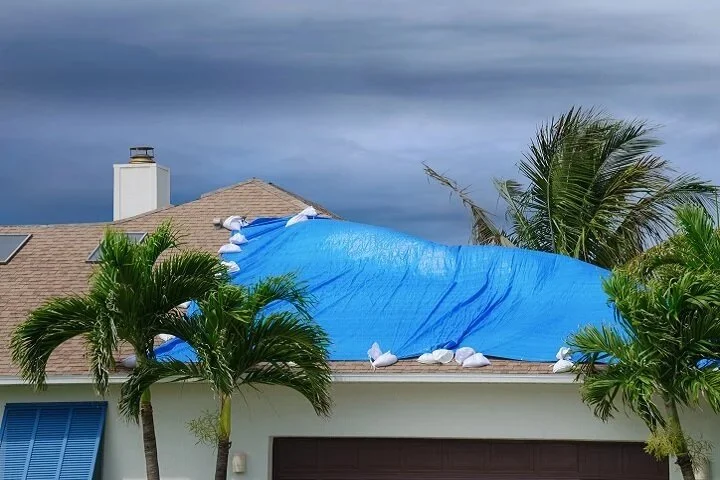
High wind conditions, such as those experienced during storms, hurricanes, or tornadoes, can cause severe damage to roofs. Shingles may lift, flashing can loosen, and water intrusion can occur. Understanding these risks is the first step to effective roof protection.
Wind damage can happen even to well-built roofs if preventative measures are not in place. Factors such as roof pitch, materials, and age all influence how susceptible a roof is to wind-related damage.
CRT Roofing Co. Inc,
BloomingtonSan Bernardino CountyCalifornia
18551 Orange St, Bloomington, CA 92316, USA
2. Inspection and Maintenance for High-Wind Proofing
2.1 Regular Roof Inspections
Inspect your roof at least twice a year and after major storms. Look for loose, cracked, or missing shingles, damaged flashing, and signs of water penetration.

2.2 Gutter and Drainage Maintenance
Clear gutters and downspouts to ensure proper water flow. Clogged drainage can add weight to roof edges and increase wind uplift during storms.
2.3 Securing Roof Components
Check for loose vents, skylights, or satellite dishes. Reinforce or secure these components to prevent them from becoming airborne hazards during high winds.
3. Protective Measures to Strengthen Roofs
3.1 Use Wind-Resistant Materials
Install roofing materials rated for high-wind resistance. Architectural shingles or metal roofing with proper fasteners can significantly reduce the risk of wind damage.
3.2 Reinforce Flashing and Roof Edges
Properly nailed and sealed flashing at roof edges, valleys, and around chimneys improves wind resistance. Adding hurricane straps or clips can further secure the roof structure.
3.3 Trim Surrounding Trees
Overhanging branches can break and damage the roof during strong winds. Maintain a safe distance between trees and your roof to reduce the risk of impact.
4. Real-Life Case Studies and Lessons
During a recent severe storm in Florida, a homeowner with an older roof experienced significant shingle loss, leading to interior water damage. After upgrading to wind-rated shingles and reinforcing roof edges, subsequent storms caused no damage, demonstrating the importance of proactive wind protection.
Another case involved a commercial property where loose flashing led to partial roof lift during hurricane-force winds. The building owner consulted professionals to retrofit all roof components, significantly improving resilience for future storms. Services like Total Roofing Hub provide specialized advice and products for high-wind roof protection.
5. Professional Tips and Recommendations
1. Conduct annual professional inspections, especially in hurricane-prone regions, to catch vulnerabilities early.
2. Invest in high-quality, wind-rated roofing materials and fastening systems.
3. Reinforce the roof deck, edges, and eaves with clips, straps, and proper sealants.
4. Use trusted roofing services like Total Roofing Hub to evaluate your home and recommend tailored solutions for your roof’s specific needs.
By following these strategies, homeowners can significantly reduce the risk of wind damage, protect their investment, and ensure safety during high-wind conditions.


 Viking Construction and Roofing5.0 (31 reviews)
 Cenvar Roofing - Martinsburg0.0 (0 reviews)
 Koehler Home Improvement4.0 (93 reviews)
 Ace Handyman Services Southern Tier4.0 (124 reviews)
 NCC Construction LLC5.0 (8 reviews)
 First Call Contractors4.0 (39 reviews)
 How to Spot Hail Damage on Your Roof | Essential Roof Inspection Tips
 Why Roof Repairs Are Essential for Home Safety and Protection
 Best Practices for Matching Roof Shingles with Siding Colors for a Cohesive Look
 Top 10 Signs Your Roof Needs Immediate Repair
 How to Manage Roof Load and Prevent Damage from Snow or Debris
 How to Choose Roofing Products That Are Mold & Mildew Resistant