- mold-and-mildew-impact-on-roofs-Understanding Mold and Mildew on Roofs
- roofing-materials-that-resist-moisture-Types of Mold & Mildew Resistant Roofing Materials
- important-features-choosing-resistant-roofing-Important Features to Look For
- roof-maintenance-for-mold-prevention-Maintenance to Enhance Mold Resistance
- real-homeowner-experience-Real-Life Story: How One Homeowner Beat Mold Issues
1. Understanding Mold and Mildew on Roofs
Many homeowners underestimate how quickly mold and mildew can take hold on a roof, especially in regions with heavy humidity, frequent rain, or dense tree coverage. These microorganisms thrive in moist environments and can slowly break down roofing materials. Over time, mold doesn’t just discolor shingles—it compromises their strength, affects indoor air quality, and eventually triggers costly structural repairs.
In the U.S., warm coastal areas and states with fluctuating seasons often see roof mold growth spike during wet months. Professional roofers frequently warn that ignoring early signs—dark streaks, soft shingle surfaces, or musty smells near attic vents—can lead to long-term damage. That is why choosing roofing products specifically engineered to resist mold and mildew is now a priority for many homeowners, especially for those replacing older roofs.

Altitude Roofing & Contracting
FranklinMacon CountyNorth Carolina
27 Belden Cir, Franklin, NC 28734, USA
2. Types of Mold & Mildew Resistant Roofing Materials
Selecting the right material is the foundation of preventing mold growth. Different roofing materials have unique reactions to moisture, heat, and organic buildup.
2.1 Asphalt Shingles with Algae-Blocking Technology
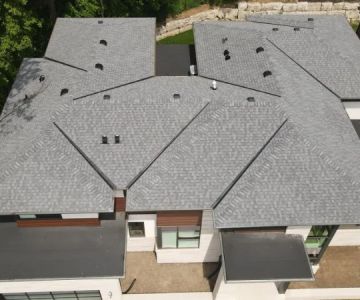
Modern asphalt shingles often come with protective granules infused with copper or zinc. These minerals naturally inhibit mold and algae growth. Homeowners in states like Florida, Louisiana, and the Carolinas appreciate how these shingles hold up against dense humidity. Manufacturers continue to improve formulations, making today’s algae-resistant shingles significantly more effective than those released even a decade ago.
2.2 Metal Roofing
Metal roofs—whether aluminum, steel, or zinc—are naturally resistant to mold and mildew because they don’t retain moisture. The smooth surface makes it difficult for organic material to latch on, and rainwater tends to wash away debris quickly. Metal roofing is often recommended in wooded areas, where leaves and moisture easily accumulate.
2.3 Clay and Concrete Tiles
Although heavier than other options, clay and concrete tiles do exceptionally well in mold-prone climates. Their density prevents moisture penetration, and high-temperature kiln curing creates a surface that resists organic buildup. Some tile manufacturers also apply mold-resistant coatings for added protection.
2.4 Synthetic Roofing Materials
Synthetic materials—like polymer roofing tiles or composite shingles—often include built-in mold inhibitors. These advanced materials mimic traditional wood or slate while offering superior resistance to moisture and mildew. They are a strong option for homeowners seeking durability without the maintenance challenges of natural materials.
3. Important Features to Look For
Beyond choosing the right material, homeowners should evaluate certain product features that directly influence mold and mildew resistance.
3.1 Mold-Resistant Coatings
Some roofing products include special coatings designed to repel moisture and slow organic growth. These coatings work best when paired with proper attic ventilation and regular maintenance. They’re especially helpful for roofs shaded by trees, where moisture lingers longer.
3.2 Strong Ventilation Systems
Even the most mold-resistant shingles can fail if the attic lacks ventilation. Heat and humidity trapped beneath the roof accelerate mold growth from the inside out. Installing ridge vents, soffit vents, or powered ventilators can dramatically reduce humidity levels, keeping both the roof and attic dry.
3.3 High-Quality Underlayment
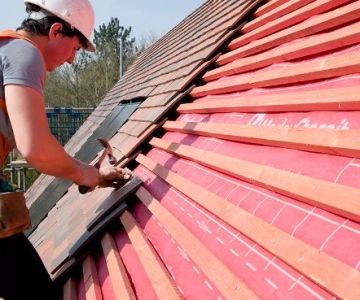
The underlayment beneath the shingles is a silent hero in mold prevention. Water-resistant or synthetic underlayments help block moisture from reaching the decking. Once wood decking absorbs moisture, mold can spread quickly and compromise the entire roof system. Choosing a premium underlayment significantly extends the lifespan of any roofing material.
3.4 Warranty Coverage for Mold Resistance
Many homeowners overlook warranty details, but some manufacturers provide specific coverage for mold-related issues. This added protection not only ensures product reliability but also gives peace of mind if your region experiences persistent humidity.
4. Maintenance to Enhance Mold Resistance
Even the best roofing products need proper care. With consistent maintenance, homeowners can extend the mold-resistant properties of their roof.
4.1 Keep Gutters Clean
Clogged gutters cause water to back up onto the roof, creating ideal conditions for mold and mildew. Cleaning gutters at least twice a year prevents moisture pooling and keeps water flowing away from the roofline.
4.2 Trim Overhanging Trees
Branches that hang over the roof limit sunlight exposure and trap moisture, allowing mold to grow more quickly. Trimming back trees improves airflow and reduces debris accumulation.
4.3 Inspect After Heavy Storms
Moisture intrusion often begins after storms loosen shingles or create small cracks. A quick visual inspection after severe weather helps catch damage early, before mold can spread.
4.4 Consider Annual Professional Cleaning
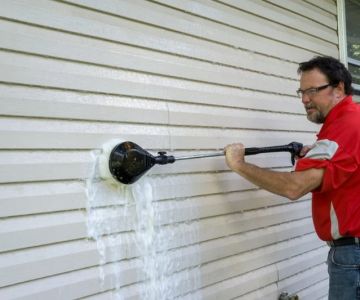
Soft washing or professional roof cleaning removes early signs of mold before they become widespread. Roofers often use gentle, biodegradable solutions that protect shingles while eliminating spores.
5. Real-Life Story: How One Homeowner Beat Mold Issues
In coastal Texas, a homeowner named Danielle dealt with recurring mold streaks that returned every few months. After spending hundreds of dollars on roof cleaning, she decided to replace her aging shingles with algae-resistant asphalt shingles featuring copper granules. A roofing specialist also improved her attic ventilation and upgraded the underlayment to a moisture-blocking synthetic layer.
Within six months, Danielle noticed a dramatic difference: no streaks, no musty attic smell, and far better indoor temperature regulation. Her experience shows how choosing the right roofing materials—and pairing them with smart upgrades—can completely eliminate chronic mold issues.
If you’re facing similar challenges, exploring mold-resistant options through trusted roofing product sources such as Total Roofing Hub can help you find reliable materials that fit your climate and budget.

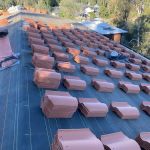 R L Scott and Son Roofing5.0 (8 reviews)
 Choice Roofing and Construction4.0 (47 reviews)
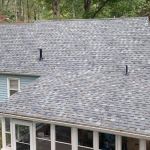 Macks Repair Service4.0 (37 reviews)
 Better Roofing USA, Inc.4.0 (267 reviews)
 12 Penny Exteriors, Inc.4.0 (44 reviews)
 Precesion Building3.0 (7 reviews)
 Should I Repair or Replace My Roof? A Complete Guide
 How to Budget for a Roof Replacement Project | Expert Tips
 Top 10 Signs Your Roof Needs Immediate Repair
 Siding Styles That Compliment Your Home's Architectural Era
 The Environmental Benefits of a Cool Roof: Why You Should Consider Installing One
 The Average Lifespan of Asphalt Shingle Roofs