
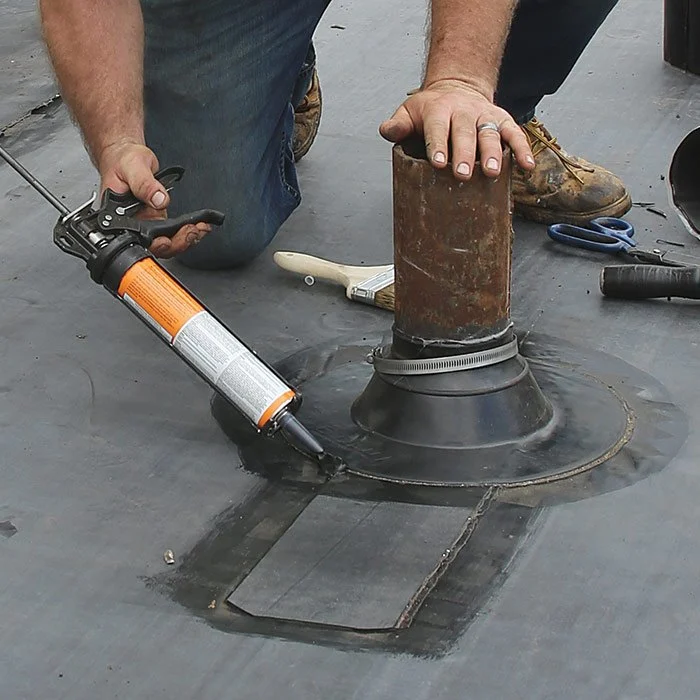
- 1. Importance of Sealing Roof Penetrations
- 2. Types of Roof Penetrations
- 3. How to Seal Gaps Around Chimneys
- 4. Sealing Gaps Around Vents
- 5. Skylight Sealing Tips
- 6. Common Mistakes to Avoid
1. Importance of Sealing Roof Penetrations
Roof penetrations are the areas where pipes, chimneys, vents, or skylights protrude through your roof. While essential for your home’s functionality, these penetrations can also be weak points that allow water, air, and debris to enter your home if not sealed properly. Sealing gaps and cracks around these areas is crucial for preventing leaks, mold growth, and energy loss, which could lead to costly repairs down the line.

Deegan Roofing, Siding and Gutter Company
PiscatawayMiddlesex CountyNew Jersey
485 S Washington Ave, Piscataway, NJ 08854, USA
1.1 Preventing Water Damage
Water infiltration is the most significant concern when it comes to roof penetrations. Even small cracks can lead to water seeping into your attic or ceiling, causing long-term damage. Properly sealing these areas ensures that your home remains dry and protected from the elements, especially during rainstorms or snowmelt.

1.2 Improving Energy Efficiency
Unsealed gaps around roof penetrations can lead to heat loss during the winter and unwanted heat gain in the summer. By sealing these gaps, you create a more energy-efficient home, which can lead to lower heating and cooling bills.
2. Types of Roof Penetrations
Understanding the different types of roof penetrations is essential for choosing the right materials and methods to seal them. Each type of penetration may require specific sealing techniques.
2.1 Chimneys
Chimneys are one of the most common roof penetrations. The flashing around the chimney often wears out over time, leading to gaps that can allow water infiltration. Properly sealing these areas helps to prevent rust, mold, and other damage.
2.2 Vents
Vents for attics, bathrooms, kitchens, or plumbing systems are common roof penetrations. These vents can cause leaks if their seals break down, leading to potential water damage. Using durable sealant around vents ensures no moisture can enter the home.
2.3 Skylights
Skylights are another popular form of roof penetration. If not properly sealed, skylights can become a source of leaks due to the sealant degrading over time. Ensuring your skylight’s seal is intact will protect your home from leaks and drafts.
3. How to Seal Gaps Around Chimneys
Sealing gaps around your chimney involves several steps to ensure a tight seal that prevents water from entering. Follow these steps for a successful chimney sealing:
3.1 Inspect the Flashing
The first step in sealing your chimney is inspecting the flashing around the base. Over time, flashing can corrode, crack, or become displaced. If you notice any damage, it’s essential to replace or repair it before applying sealant.
3.2 Apply High-Quality Sealant
Once the flashing is secure, apply a high-quality roofing sealant around the edges. Make sure to cover all seams and gaps. Silicone-based or polyurethane sealants are excellent choices as they remain flexible and durable.
3.3 Use Chimney Cap Covers
Consider installing a chimney cap cover to prevent debris and water from entering the chimney. This will help extend the life of the sealant and keep the chimney in good condition for years to come.
4. Sealing Gaps Around Vents
Vents are essential for maintaining airflow in your home, but they can also be a source of leaks if improperly sealed. Here’s how to seal gaps around vents:
4.1 Clean the Area
Before applying any sealant, clean the area around the vent thoroughly. Remove dirt, debris, and any old sealant that may be failing. This ensures a better bond between the sealant and the roof surface.
4.2 Apply the Sealant
Use a high-quality silicone or caulk-based sealant around the base of the vent. Be sure to cover any visible gaps and apply pressure to the sealant to ensure it fills the space properly.
4.3 Check for Proper Ventilation
Once sealed, ensure that the vent is still functional and allows airflow. If necessary, adjust or replace the vent cap to ensure there are no obstructions that could reduce airflow.
5. Skylight Sealing Tips
Skylights require special care as they are more prone to leaks than other roof penetrations. Here’s how to ensure your skylight is properly sealed:
5.1 Inspect the Skylight Frame
Start by checking the skylight frame for any visible cracks or gaps. If you find any, remove old caulk or sealant and reapply a fresh layer. This ensures that the skylight is secure and sealed properly against the roof.
5.2 Check the Flashing
Skylight flashing often wears out and needs to be replaced over time. Inspect the flashing around the skylight and replace any damaged sections to prevent leaks.
5.3 Use a Waterproof Sealant
Apply a waterproof sealant, such as silicone or polyurethane caulk, around the edges of the skylight. Ensure the sealant is applied evenly to prevent gaps where water could enter.
6. Common Mistakes to Avoid
Sealing roof penetrations can be tricky, and there are several mistakes to avoid:
6.1 Using the Wrong Sealant
Not all sealants are suitable for all types of roof penetrations. Make sure you choose a sealant that’s durable, waterproof, and appropriate for the material of your roof and penetration.
6.2 Skipping Regular Inspections
Sealant degrades over time, and regular inspections are crucial. Failing to inspect the sealed areas can lead to unnoticed leaks and water damage.
By following these tips, you can effectively seal gaps and cracks around roof penetrations, ensuring your home is protected from leaks and water damage. For more products and professional guidance on sealing roof penetrations, visit [Total Roofing Hub](https://www.totalroofinghub.com) for expert recommendations and high-quality materials.
 Marc Joseph remodeling5.0 (1 reviews)
 PRS Roofing Inc5.0 (9 reviews)
 KAPS CONSTRUCTION4.0 (5 reviews)
 Marshall Exteriors, LLC4.0 (213 reviews)
 S.W.A.T. Roofing & Consulting4.0 (46 reviews)
 MATFI RENOVATIONS LLC5.0 (23 reviews)
 Siding Material Fire Ratings: What’s Required & What to Choose
 Roof Talk: Common Terminology Every Homeowner Should Know
 How Often Should You Replace Your Home's Siding? Expert Tips on Siding Longevity
 The Average Lifespan of Asphalt Shingle Roofs: How Long Do They Last?
 How to Choose a Reliable Roofing Contractor Near You | Top Tips and Questions
 Should I Repair or Replace My Roof? – Expert Guide for U.S. Homeowners