- Understanding Roof Integrity
- Common Weather Damage to Roofs
- How to Prepare Your Roof for Storms
- Maintaining Roof During Extreme Heat
- Protecting Your Roof from Snow and Ice
- Real-Life Roof Damage Examples
- When to Hire Professional Roof Maintenance Services
1. Understanding Roof Integrity
Roof integrity refers to the structural strength and durability of your roof. It is crucial for protecting your home from external elements like rain, snow, and high winds. Ensuring your roof’s integrity means it can withstand extreme weather conditions without suffering damage. This involves regular inspection, maintenance, and making necessary upgrades to strengthen weak areas.
When extreme weather events such as hurricanes, heavy snowfall, or heatwaves occur, a well-maintained roof plays a pivotal role in keeping your home safe and dry. Let’s dive into how you can maintain roof integrity specifically during extreme weather conditions.
2. Common Weather Damage to Roofs
Extreme weather can cause significant damage to your roof if it's not properly prepared. Common weather-related roof damages include:
- Wind Damage: High winds, especially during storms and hurricanes, can tear off shingles, loosen roof components, and even cause structural damage to your roof if it’s not secure.
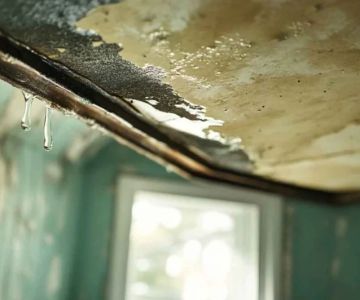
- Water Damage: Heavy rainfall can lead to leaks if your roof’s sealant or flashing is damaged. If left untreated, water can seep through the roof, causing mold growth, ceiling damage, and structural weakening.
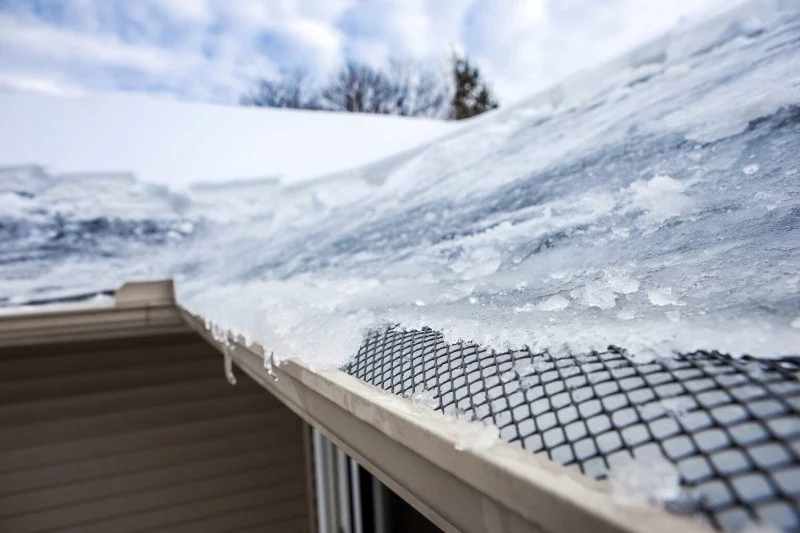
- Snow and Ice Damage: In colder climates, the accumulation of snow and ice on your roof can result in ice dams, which block water from draining properly, potentially causing leaks or even roof collapse under the weight of the snow.
- Heat and UV Damage: During periods of extreme heat, UV rays can cause roofing materials to crack, curl, or warp, particularly asphalt shingles. This can lead to roof degradation and a higher risk of leaks.
3. How to Prepare Your Roof for Storms
Preparing your roof for storms is essential, especially in areas prone to hurricanes or severe thunderstorms. Here are key steps to ensure your roof is storm-ready:
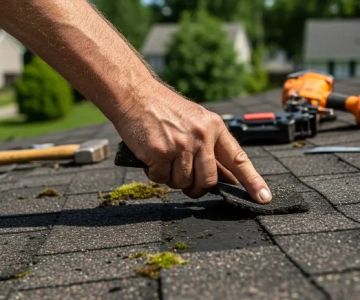
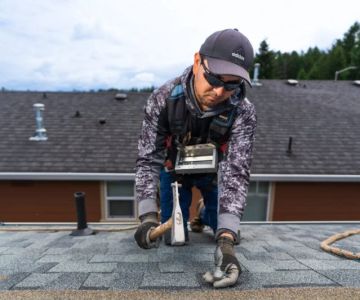
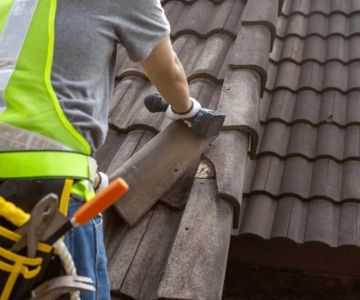
- Inspect and Repair Damaged Shingles: Check for cracked, loose, or missing shingles and replace them. Strong winds can easily dislodge weak shingles, leading to leaks and further damage.
- Strengthen Roof Components: Ensure that all components of the roof, such as trusses and rafters, are secure. Reinforcing the roof structure with hurricane straps or bracing can improve its ability to withstand high winds.
- Clean Gutters and Downspouts: Clogged gutters can prevent water from draining off the roof properly, leading to potential water damage. Clean your gutters and downspouts regularly to allow proper water flow during storms.
- Apply Waterproofing Sealant: Apply a waterproof sealant around seams, joints, and flashings to prevent water from entering during a heavy storm.
4. Maintaining Roof During Extreme Heat
Extreme heat can cause roofing materials to wear out quickly, especially in areas that experience long periods of sun. Here's how you can maintain your roof during extreme heat:
- Choose Reflective Roofing Materials: Consider installing cool roofing materials that reflect sunlight and reduce the absorption of heat. This helps keep your roof cooler and prevents excessive wear from UV rays.
- Insulate the Roof: Proper attic insulation can prevent heat buildup inside your home, reducing strain on your roof and preventing thermal shock, which can crack roofing materials.
- Regular Inspections: Inspect the roof for signs of damage caused by heat, such as curling or cracking shingles. Replace any damaged roofing materials immediately to prevent further degradation.
5. Protecting Your Roof from Snow and Ice
In areas prone to heavy snowfall and ice, protecting your roof from the weight and melting water is crucial. Follow these steps to protect your roof during winter months:
- Remove Snow Accumulation: Heavy snow accumulation can cause roof collapse or leaks. Use a roof rake with a long handle to remove snow from the roof safely, starting from the edges and working your way toward the center.
- Install Ice and Water Barriers: Ice dams can block the flow of water, leading to leaks inside your home. Install ice and water barriers beneath shingles to prevent water from backing up and leaking into the attic.
- Ensure Proper Ventilation: Ensure your attic is properly ventilated to prevent heat buildup, which can cause snow to melt and refreeze, creating ice dams. Proper ventilation helps maintain consistent roof temperature.
6. Real-Life Roof Damage Examples
Here are a couple of real-life examples to illustrate the importance of roof maintenance during extreme weather:
Case Study 1: In Florida, during Hurricane Irma, many homeowners experienced severe roof damage due to high winds and flying debris. One homeowner had recently reinforced their roof with hurricane straps and new shingles, which allowed their roof to survive the storm with minimal damage. Those who didn’t take similar precautions faced costly repairs.
Case Study 2: In the Northeast, a homeowner noticed ice dams forming on their roof every winter. After installing ice and water barriers and improving attic insulation, the homeowner no longer faced water leaks and was able to prevent costly interior damage.
7. When to Hire Professional Roof Maintenance Services
While regular inspections and minor maintenance can be handled by homeowners, some situations require professional assistance. You should hire a roofing contractor if:
- There is significant damage after a storm or extreme weather event.
- If you notice leaks or water stains on your ceiling, indicating roof damage.
- If you’re unable to safely clean gutters or remove snow and ice from your roof.
- If you’re considering major roof upgrades or weatherproofing solutions, such as installing reflective roofing materials or ice and water barriers.
For professional roof maintenance and repair services, visit Total Roofing Hub for trusted experts who can help you protect and maintain your roof through extreme weather conditions.
 The Home Builder's Network, Inc.4.0 (130 reviews)
 Avalanche Roofing Contractors5.0 (11 reviews)
 Roofing Fix It All5.0 (6 reviews)
 Hixon's Roofing - Commercial and Residential Roofers4.0 (203 reviews)
 Ben Diaz Roofing4.0 (30 reviews)
 Fulcrum Contracting Monroe4.0 (26 reviews)
 How to Spot Hail Damage on Your Roof: Tips for Homeowners
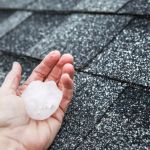 How to Spot Hail Damage on Your Roof: A Homeowner’s Guide
 Top Questions to Ask a Roofing Contractor Before Hiring
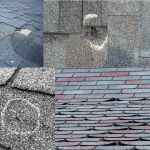 Top 10 Signs Your Roof Needs Immediate Repair – Expert Roof Repair Tips
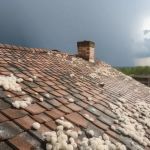 How to Spot Hail Damage on Your Roof | Roofing Tips for Homeowners
 How to Match Roof Shingles with Your Siding Color: Tips and Ideas