
- 1. Signs It's Time to Replace Your Roof
- 2. What to Expect During the Roof Replacement Process
- 3. Choosing the Right Materials for Your New Roof
- 4. How to Find a Reliable Roofing Contractor
- 5. Cost Considerations for Roof Replacement
1. Signs It's Time to Replace Your Roof
A 20-year-old roof is nearing the end of its lifespan, depending on the materials used and the climate in your area. It’s important to be aware of certain signs that indicate your roof needs to be replaced. Common warning signs include:

L&J home improvement llc
MonticelloJasper CountyGeorgia
214 Davis Carter Rd, Monticello, GA 31064, USA
Missing or Damaged Shingles
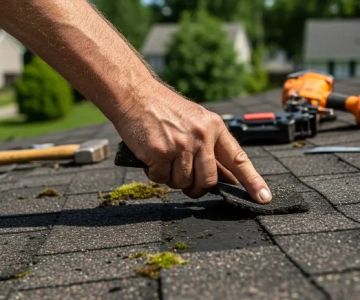
If you notice that shingles are missing, cracked, or curled, it could be a sign that the roof is deteriorating. Damaged shingles allow water to seep through, leading to leaks and further damage to the roof structure.
Leaks and Water Damage
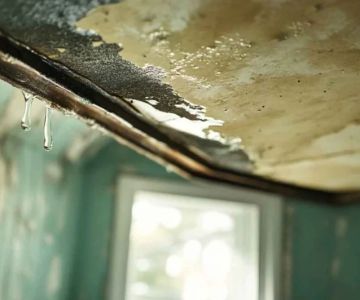
Water stains on your ceiling or walls are a clear indication that your roof has leaks. If the leaks are widespread or recurrent, it’s a sign that the roof is no longer functioning properly and needs to be replaced.
Granules in the Gutters
Over time, shingles shed granules that protect the roof from UV rays and moisture. If you find a significant amount of granules in your gutters, it could mean that your shingles are losing their effectiveness and the roof is nearing the end of its life.
2. What to Expect During the Roof Replacement Process
Replacing a roof is a major project, but understanding the process can help you feel more confident about the upcoming work. Here’s an overview of what to expect:
Preparation
Before the work begins, your contractor will inspect the roof to assess the extent of the damage. They’ll also discuss the type of materials you want to use and help you select the best option for your home.
Removing the Old Roof
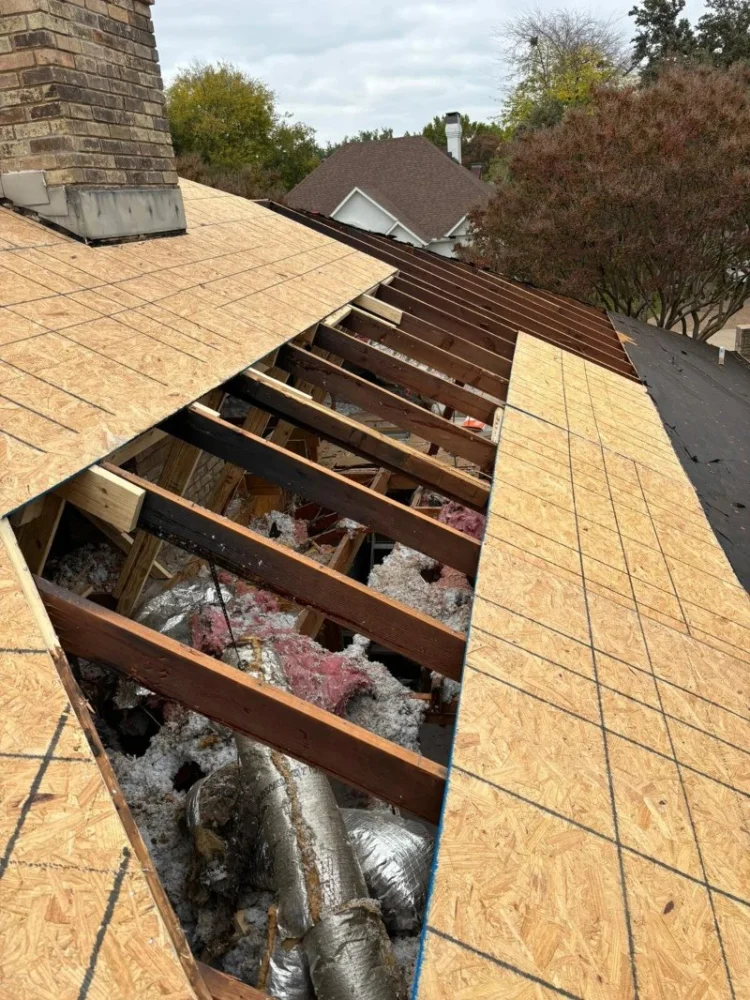
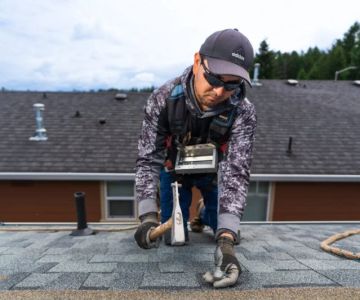
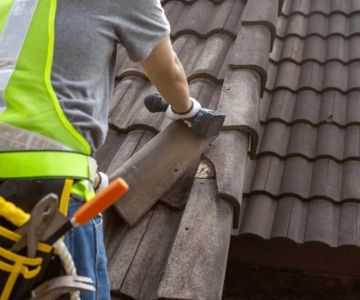
The first step in the actual replacement process is removing the old roof. This includes tearing off the old shingles, underlayment, and possibly the decking. This step can take several hours, depending on the size and complexity of your roof.
Installing the New Roof
After the old roof is removed, the contractor will install the new roofing materials, starting with the underlayment and followed by the shingles or tiles. The installation process typically takes a few days, depending on the weather and roof size.
Inspection and Cleanup
Once the roof is installed, a final inspection will be done to ensure everything is in place. Your contractor will also clean up the debris and ensure that no nails or materials are left around the property.
3. Choosing the Right Materials for Your New Roof
Selecting the right materials for your roof replacement is a crucial decision. Different materials offer different benefits in terms of durability, aesthetics, and cost. Common roofing materials include:
Asphalt Shingles
Asphalt shingles are the most common roofing material due to their affordability and versatility. They come in a variety of colors and styles and offer a good balance of durability and cost-effectiveness.
Metal Roofing
Metal roofing is known for its durability and longevity. It’s ideal for homes in areas that experience extreme weather, such as heavy snow or high winds. While more expensive, metal roofs can last 50 years or more with minimal maintenance.
Cedar or Wood Shingles
Cedar shingles offer a natural, rustic look and are often used in areas with a Mediterranean or cottage-style aesthetic. They provide excellent insulation but require regular maintenance to prevent mold and rot.
Clay or Concrete Tiles
Clay and concrete tiles are ideal for homeowners seeking a long-lasting roof. These materials are highly durable, fire-resistant, and energy-efficient, but they are heavier and more expensive than other options.
4. How to Find a Reliable Roofing Contractor
Finding a trustworthy and skilled contractor is one of the most important steps in replacing your roof. Here are some tips for selecting the right contractor for the job:
Get Multiple Quotes
It’s always a good idea to get at least three quotes from different contractors to compare pricing and services. Ensure that each quote includes a detailed breakdown of the materials and labor costs.
Check Credentials
Verify that the contractor is licensed, insured, and has a good reputation in the industry. Look for online reviews and ask for references to ensure they’ve completed similar projects successfully.
Look for Warranties
A reliable contractor should offer warranties on both the materials and labor. Be sure to review the terms and conditions of the warranty to ensure it provides adequate protection for your investment.
5. Cost Considerations for Roof Replacement
Roof replacement can be a significant investment, and it’s important to understand the factors that affect the cost. Some key cost considerations include:
Roof Size
The larger your roof, the more expensive the replacement will be. The cost is typically calculated based on the square footage of your roof, with larger roofs requiring more materials and labor.
Material Choice
Different roofing materials come with varying costs. Asphalt shingles are generally the most affordable, while metal roofing and clay tiles can significantly increase the overall cost.
Labor and Contractor Fees
Labor costs can vary based on the contractor’s experience, the complexity of the project, and your location. Ensure that you get a clear understanding of labor costs in your quote to avoid any surprises.
 Apex General Construction4.0 (145 reviews)
 Vinny's Handyman4.0 (3 reviews)
 Elite Contracting4.0 (131 reviews)
 Madison Construction NYC: Professional Roofing & Home Solutions5.0 (90 reviews)
 RMC Roofing3.0 (3 reviews)
 LA Summit Roof Renewal & Repair0.0 (0 reviews)
 Signs Your Roof Is Near End of Its Lifespan
 Siding vs Cladding: What’s the Difference & What’s Best
 How to Maintain Your Siding Year Round with Seasonal Care Tips
 Hidden Signs of Roof Damage Under Shingles or at Flashing: How to Identify Issues Early
 What to Expect During a Roof Inspection – Comprehensive Guide for Homeowners
 How to Protect Your Roof from Heavy Rainfall