- Common Signs of Roof Damage
- The Age of Your Roof and Its Impact
- Roof Leaks and Water Damage
- Worn or Damaged Shingles
- Excessive Plant Growth
- Why Early Roof Inspections Matter
Common Signs of Roof Damage
Your roof plays a crucial role in protecting your home from the elements. However, over time, roofs naturally degrade due to wear and tear. Identifying the signs that your roof is nearing the end of its lifespan can help you take action before small problems turn into expensive repairs or replacements. Here are some key signs to look out for:
Virginia Home Services
SterlingLoudoun CountyVirginia
10 Pidgeon Hill Dr Ste 40, Sterling, VA 20165, USA
1. Missing or Damaged Shingles
One of the most obvious signs of roof damage is missing or damaged shingles. These can be caused by strong winds, heavy rain, or simple age. If you notice that several shingles are cracked, curled, or missing, it could be a sign that your roof is no longer providing the protection it once did. Damaged shingles can lead to leaks and further degradation if not addressed promptly.

Micasa Pro Roofers - Walnut
WalnutLos Angeles CountyCalifornia
340 S Lemon Ave Ste. 2960, Walnut, CA 91789, USA
2. Granule Loss
If your roof is covered with asphalt shingles, you may notice granules from the shingles collecting in your gutters. Granule loss is a natural part of the aging process, but excessive granule loss can indicate that your roof is deteriorating faster than expected. Granules protect shingles from UV rays, so a lack of them can make your roof more vulnerable to the elements.
The Age of Your Roof and Its Impact
Another key factor in determining whether your roof is nearing the end of its lifespan is its age. The average lifespan of a roof varies based on the material, but most roofs last anywhere from 20 to 50 years. If your roof is approaching or has surpassed its expected lifespan, it's time to pay extra attention to the signs of damage and wear.
1. Asphalt Shingle Roofs
Asphalt shingle roofs typically last between 20 and 30 years. If your roof is within this age range and showing signs of wear, it may be time to consider a replacement. Older asphalt roofs are more prone to cracking and curling, which can allow water to seep through.
2. Wood Shingles and Cedar Roofs
Wood shingles and cedar roofs can last between 30 and 40 years with proper care. However, if your wood roof is nearing this age, it may be time to inspect for signs of rot or mold. Exposure to moisture can cause wood shingles to degrade, making them vulnerable to leaks.
3. Metal and Tile Roofs
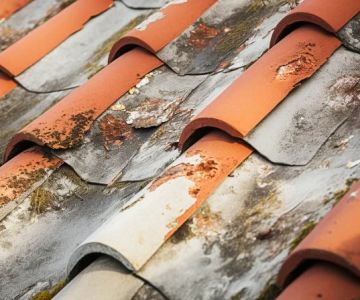
Metal and tile roofs are known for their long-lasting durability. A well-maintained metal or tile roof can last 50 years or more. However, even these materials will eventually show signs of wear, such as rust on metal roofs or cracked tiles, indicating it's time to replace the roof.
Roof Leaks and Water Damage
One of the most serious signs that your roof is nearing the end of its lifespan is water damage inside your home. Leaks can be caused by many factors, including damaged shingles, gaps, or old flashing. If you notice water spots on your ceiling or walls, it's essential to inspect your roof for leaks and signs of water damage.
1. Water Stains on the Ceiling
Water stains or discoloration on your ceiling are a clear sign that water has entered your home through the roof. If left untreated, this can lead to further structural damage and even mold growth, which can compromise the safety of your home.
2. Damp or Wet Insulation
If your attic insulation feels damp or wet, it may indicate that water is seeping through the roof. This could be a sign of significant roof damage and requires immediate attention. Mold and mildew growth can occur if the problem is not addressed quickly.
Worn or Damaged Shingles
Shingles are the first line of defense against the elements, so when they become worn or damaged, your roof's ability to protect your home diminishes significantly. Look for signs of shingles that are cracked, curled, or missing. These issues can allow water to infiltrate your home and cause serious damage over time.
1. Curling and Buckling Shingles
Curling and buckling shingles are a common sign of aging roofs. This can occur when shingles lose their moisture content or when they are exposed to extreme temperatures over time. Curled shingles are more likely to crack and break off, leaving your roof vulnerable to leaks.
2. Cracked or Split Shingles
Cracked or split shingles are a clear sign that your roof has been subjected to severe weather or has reached the end of its lifespan. These types of damage can allow water to penetrate beneath the shingles, leading to leaks and potential structural issues.
Excessive Plant Growth
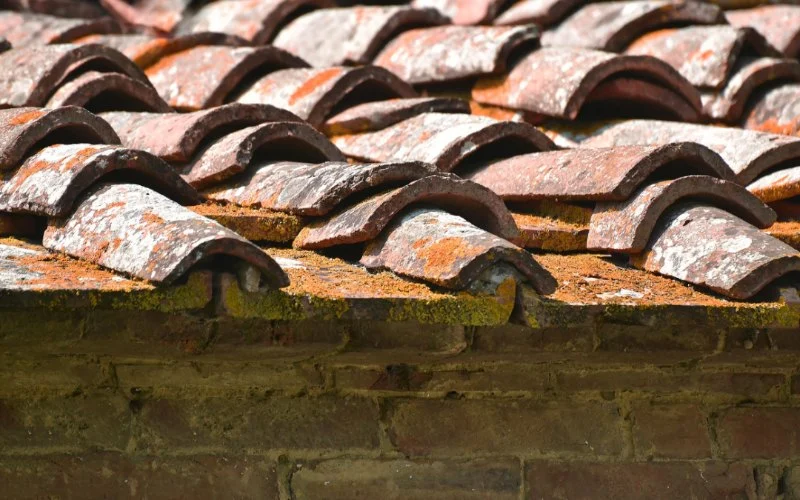
Another sign that your roof may be nearing the end of its lifespan is excessive plant growth, such as moss, algae, or lichen. While some plant growth is normal, an overgrowth of moss or algae can indicate that your roof is retaining too much moisture, which can lead to wood rot and other structural issues.
1. Moss and Algae Growth
Moss and algae thrive in damp environments. If you notice a significant buildup of moss or algae on your roof, it may be time to inspect the roof for damage and consider cleaning the surface. If left untreated, these growths can cause shingles to deteriorate faster.
2. Lichen on Roof Surfaces
Lichen can cause long-term damage to your roof, as it feeds on the roof’s surface. If you see lichen forming, it’s important to clean it off and assess whether the roof is suffering from excessive moisture retention.
Why Early Roof Inspections Matter
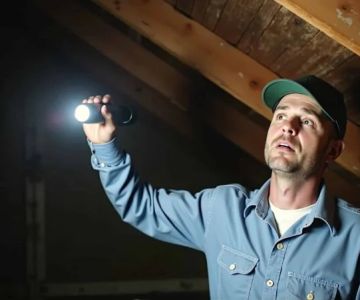
Scheduling regular roof inspections is one of the most effective ways to identify early signs of damage and ensure the longevity of your roof. Roof inspections allow you to spot issues before they become major problems, saving you money on costly repairs or replacements. A professional roofer can assess the condition of your roof, recommend necessary repairs, and give you an accurate estimate of its remaining lifespan.
If you’re concerned about the condition of your roof and want a professional evaluation, visit [Total Roofing Hub]. Our experienced team can provide expert advice and help you keep your roof in top condition.

 American Homes Remodel and New Build5.0 (45 reviews)
 Sergio's Roofing LLC5.0 (2 reviews)
 Simonsays roofing5.0 (54 reviews)
 Secured Roofing & Solar4.0 (253 reviews)
 On Top Of Our Job5.0 (34 reviews)
 Prime Express Restoration LLC5.0 (11 reviews)
 Top 10 Signs Your Roof Needs Immediate Repair Before It’s Too Late
 What to Expect During a Roof Inspection and Why It Matters for Homeowners
 How Much Does a New Roof Cost in 2025? | Total Roofing Hub
 How to Maintain Your Siding Year Round | Expert Tips for Homeowners
 Top 10 Signs Your Roof Needs Immediate Repair – Expert Roof Repair Tips
 The Best Roofing Materials for Cold Climates