How to Maintain Roof Strength Over Time
Your roof is one of the most important parts of your home, protecting everything inside from the elements. Over time, however, exposure to the sun, rain, snow, and wind can take a toll on your roof’s strength and integrity. To avoid costly repairs or replacements, it’s crucial to maintain your roof’s strength and ensure it’s in top condition throughout the years. In this guide, we’ll explore the best practices for maintaining roof strength over time, helping you extend its lifespan and keep your home safe from the elements.
- The Importance of Roof Maintenance
- Regular Roof Inspections
- Roof Repairs and Sealing
- Weatherproofing Your Roof
- When to Contact a Roofing Professional
The Importance of Roof Maintenance
Regular roof maintenance is essential to prevent small issues from escalating into major problems. Maintaining roof strength helps protect your home from leaks, structural damage, and energy inefficiencies. By investing time and effort into caring for your roof, you can save money in the long run by avoiding costly repairs or a full roof replacement.
Avoiding Costly Repairs
Many roofing problems begin as minor issues, such as small leaks or loose shingles. If left unaddressed, however, these small problems can quickly develop into expensive repairs or even the need for a new roof. Regular maintenance and inspections help catch these issues early before they worsen.
Preserving Your Home’s Value
A well-maintained roof is not only crucial for your comfort and safety but also for the value of your home. When it’s time to sell, a roof in good condition can make a significant difference in the appeal and value of your property. Buyers are often deterred by the prospect of needing a new roof soon after purchasing a home, so keeping your roof in top shape is an investment in your home’s future.
Regular Roof Inspections
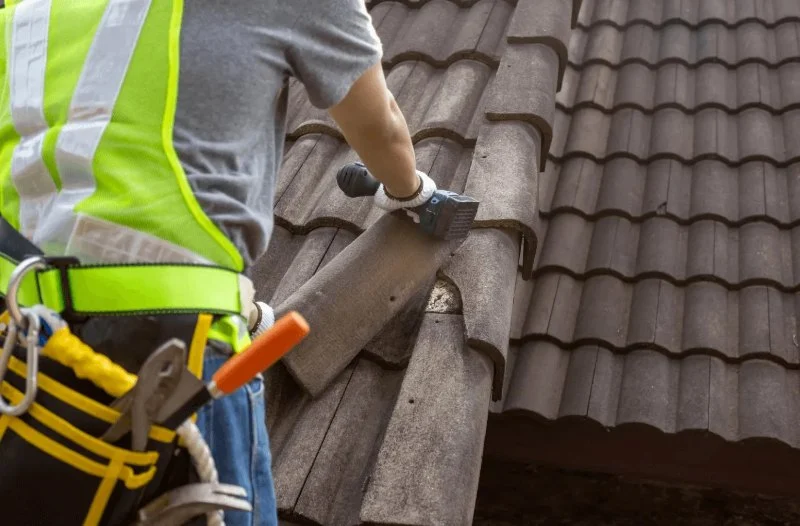
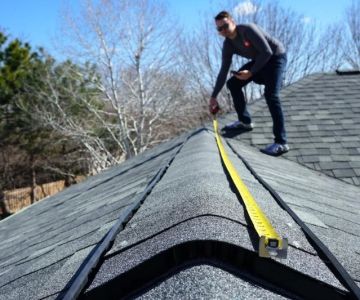
One of the most effective ways to maintain roof strength is through regular inspections. These inspections should be done at least twice a year, especially before and after the winter and summer seasons when weather conditions can be harsh. Here’s what you should check during roof inspections:
Check for Damaged or Missing Shingles
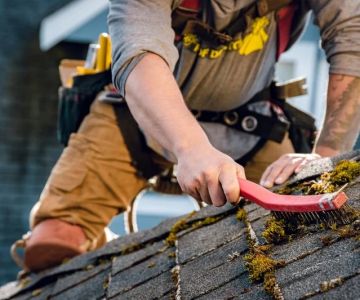
Shingles are your roof’s first line of defense against the elements. Over time, shingles can become damaged by wind, hail, or even age. Look for any missing, curled, or cracked shingles during your inspection. Replacing damaged shingles promptly helps prevent water from seeping into the underlying layers of your roof.
Cleaning Gutters and Downspouts
Clogged gutters can lead to water backing up on your roof, which can cause leaks and damage. Make sure to clean your gutters regularly, especially in the fall when leaves and debris can accumulate. Properly functioning gutters direct water away from your roof and home, preventing moisture from affecting the integrity of the roof.
Check Flashing Around Vents and Chimneys
Flashing is the metal seal that surrounds vents, chimneys, and other roof penetrations. Over time, flashing can become corroded or loose, leading to leaks. Make sure the flashing is intact and properly sealed to prevent water from infiltrating your roof.
Roof Repairs and Sealing
Performing minor roof repairs and sealing vulnerable areas can go a long way in maintaining roof strength. Here are some repairs and maintenance tasks you should consider:
Repair Small Leaks Immediately
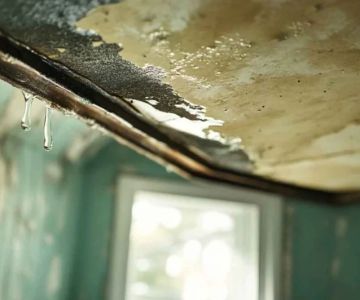
Even small leaks can cause significant damage over time if left unaddressed. If you notice any water stains on your ceiling or walls, investigate the source immediately. A quick repair can prevent further water damage and protect the structure of your roof.
Sealing Cracks and Joints
As your roof ages, cracks may develop in the materials or at the joints. Sealing these cracks helps prevent water from entering your roof and causing rot or mold. Use high-quality sealants to ensure that the joints and seams remain waterproof and secure.
Replace Damaged Roof Materials
If your roof has suffered damage, whether from weather or aging, it’s important to replace damaged materials promptly. Whether it’s a section of shingles or a damaged piece of flashing, replacing damaged materials ensures that your roof continues to provide the necessary protection for your home.
Weatherproofing Your Roof
Weatherproofing your roof is essential for maintaining its strength against the elements. Extreme weather conditions such as heavy rain, snow, and high winds can all cause wear and tear on your roof. Here are some steps to weatherproof your roof:
Install Roof Insulation
Insulation helps to regulate temperature inside your home and prevents ice dams during winter. Ice dams occur when melting snow refreezes at the roof’s edge, causing water to back up under the shingles. Proper insulation can prevent this buildup and protect your roof from further damage.
Apply Roof Coating
Roof coatings act as a protective barrier against UV rays, rain, and other weather elements. Applying a roof coating every few years can prolong the lifespan of your roof and prevent damage from the sun and moisture. Consult with a roofing professional for the right type of coating for your roof.
Improve Roof Ventilation
Proper ventilation is key to maintaining roof strength. Without adequate airflow, heat and moisture can accumulate in your attic, leading to mold growth and deterioration of roofing materials. Installing or improving your roof’s ventilation system helps to balance the temperature and moisture levels, extending your roof’s lifespan.
When to Contact a Roofing Professional
While regular maintenance and minor repairs can be handled by homeowners, there are times when you should contact a professional roofing contractor:
Extensive Damage
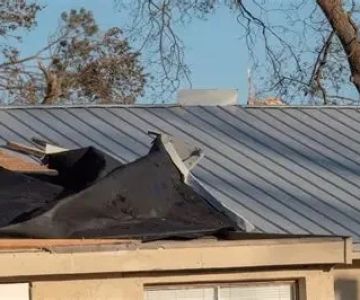
If your roof has suffered significant damage from a storm or natural disaster, it’s best to call in a professional. A contractor can assess the damage and recommend the most effective repairs or replacements.
Roof Age and Condition
If your roof is old and you’re unsure about its condition, a roofing professional can conduct a thorough inspection and determine if it’s time for a replacement or if repairs are sufficient. They can also provide advice on how to maintain the roof going forward.
Safety Concerns
Roof work can be dangerous, especially if you lack the proper tools or experience. If you’re unsure about how to repair or maintain your roof safely, it’s best to hire a professional who can get the job done efficiently and securely.
Conclusion
Maintaining your roof’s strength over time is essential for protecting your home from the elements. Regular inspections, repairs, sealing, and weatherproofing are key steps in prolonging your roof’s lifespan and ensuring its strength. By following these practices and contacting a roofing professional when necessary, you can keep your roof in top condition for many years to come.
 Jay's Home Improvement5.0 (9 reviews)
 Decker Exteriors, LLC4.0 (51 reviews)
 Finnegan & Sons Home Improvement & Handy Man Services4.0 (36 reviews)
 Shea Enterprises, Inc4.0 (9 reviews)
 Eagle Exteriors5.0 (20 reviews)
 ABC Supply Co. Inc.4.0 (30 reviews)
 How to Choose a Reliable Roofing Contractor Near You
 Should I Repair or Replace My Roof?
 Siding Sealing & Caulking Best Practices: A Guide for Effective Home Maintenance
 How to Choose a Reliable Roofing Contractor Near You: A Step-by-Step Guide
 How to Budget for a Roof Replacement Project – Roofing Costs and Tips
 How to Find Licensed and Insured Roofing Contractors in Your Area - Expert Tips