Overview of Roof Damage and Its Causes
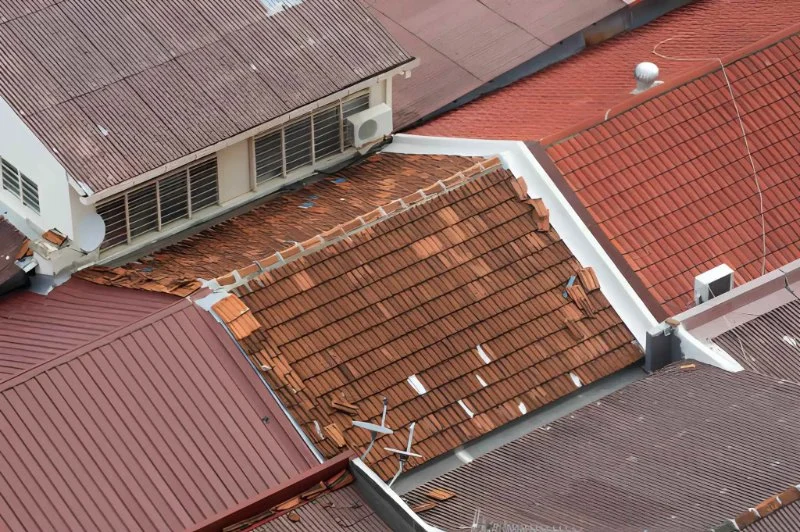
Your roof is one of the most important parts of your home, protecting you from the elements and maintaining the structure of your property. However, over time, your roof can suffer from various types of damage. Understanding the causes of roof damage and how it develops is the first step in preventing costly repairs.
Common causes of roof damage include:
- Weather Conditions: Extreme weather like hail, snow, and heavy rain can weaken roofing materials.
- Age and Wear: As your roof ages, the materials naturally degrade and may begin to crack or lose their protective abilities.
- Improper Installation: If your roof was improperly installed, it may be more prone to damage and leaks.
Regular Roof Inspections: Early Detection
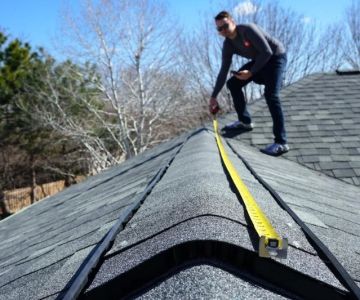
One of the most important steps in protecting your roof is regular inspection. Early detection of potential issues can prevent them from turning into major problems. Roof inspections should be done at least once a year, and after any major weather event, such as a storm or heavy snowfall.
- Check for Missing or Damaged Shingles: Missing shingles can leave your roof vulnerable to leaks. Look for any that are cracked, curled, or broken.
- Inspect Flashing: Flashing around chimneys, vents, and skylights is particularly prone to damage and can cause leaks if not maintained.
- Examine Gutters and Downspouts: Ensure that your gutters are free of debris, as clogged gutters can lead to water buildup on the roof.
Proper Roof Maintenance to Prevent Damage
Maintaining your roof is crucial to extending its lifespan. Here are key maintenance steps to keep your roof in top condition:
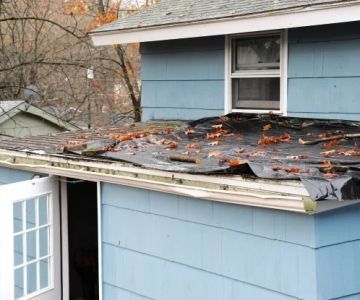
- Keep Your Roof Clean: Remove leaves, twigs, and other debris from the roof to prevent them from holding moisture, which can lead to mold and rot.
- Trim Trees Near Your Roof: Overhanging branches can damage shingles and cause debris buildup. Regularly trim trees to prevent this.
- Seal Gaps and Cracks: Use appropriate sealants to fill in any gaps or cracks in the roof, especially around vents and skylights.
How Weather Impacts Your Roof and How to Prepare
Different weather conditions can cause specific types of damage to your roof. Knowing how to prepare for and protect your roof from the elements is key to its longevity:
- Rain and Snow: Excess moisture can weaken roofing materials and lead to leaks. Ensure that your roof is sealed properly and that gutters are working to direct water away from the roof.
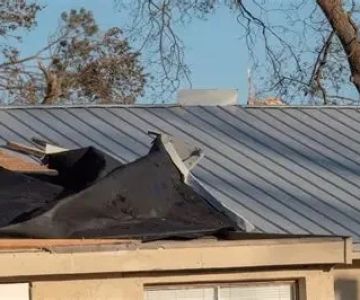
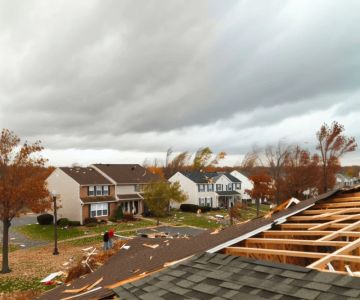
- Windstorms: High winds can cause shingles to lift or tear off. Make sure that all shingles are properly secured and that your roof is adequately reinforced.
- Heat and Sun Exposure: Constant exposure to the sun can cause shingles to dry out and crack. Using reflective coatings or choosing heat-resistant materials can help mitigate this damage.
Common Roof Problems and How to Address Them
Here are some common roof problems that homeowners face, and how you can address them before they escalate:
- Leaks: Leaks can be caused by damaged shingles, improper flashing, or clogged gutters. Always inspect your roof for signs of leaks and address them immediately.
- Granule Loss: Granules from asphalt shingles can wash away over time, leading to the deterioration of the shingles. If you notice granule loss, it may be time to replace the shingles.
- Moss and Algae Growth: Moss can retain moisture and cause damage to roofing materials. Regularly clean your roof to prevent moss growth.
Real-Life Examples of Roof Protection Success
Many homeowners have successfully protected their roofs from long-term damage through regular maintenance and early intervention. Here are a few examples:
- Case Study 1: A homeowner in Florida regularly trimmed trees around their roof and had yearly inspections. As a result, they avoided a major leak that could have caused extensive water damage during hurricane season.
- Case Study 2: In the Midwest, a family used a reflective coating on their roof to reduce heat damage from the harsh summer sun, extending the life of their roof by several years.
 Timperio Roofing & Siding Inc4.0 (9 reviews)
 Son Home Remodeling5.0 (3 reviews)
 Paradigm Roofing Contractors Inc.5.0 (2 reviews)
 HomeTeck Roofing & Remodeling4.0 (147 reviews)
 Quantum Builders4.0 (8 reviews)
 Courtesy Roofing1.0 (8 reviews)
 The Best Roofing Materials for Cold Climates: A Complete Homeowner's Guide
 What to Expect During a Roof Inspection: Essential Guide for Homeowners
 How to Prevent Ice Dams – Roof Overhangs, Shingles & Ventilation
 How to Budget for a Roof Replacement Project
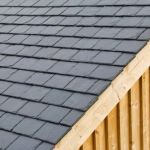 The Best Roofing Materials for Cold Climates: A Guide for Homeowners
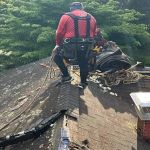 Roof Repair After Fire Damage: What’s Involved