- signs-you-need-a-new-roof
- understanding-roofing-costs
- choosing-the-right-materials
- planning-the-replacement-process
- real-homeowner-experience
- long-term-maintenance-strategies
1. Signs You Need a New Roof
Before diving into what homeowners should know before replacing an old roof, it’s important to recognize when replacement is actually necessary. Many homeowners delay action, not realizing that early signs can prevent costly damage later.

1.1 Visible Wear and Tear
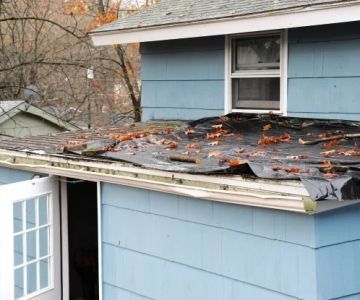
Shingles that are cracked, curled, or missing are clear indicators that your roof is nearing the end of its lifespan.
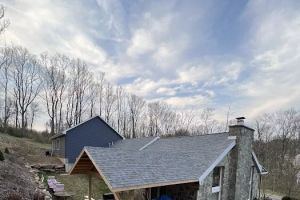
Scott Macczak Roofing - Mohnton Home Improvements
MohntonBerks CountyPennsylvania
120 Sheppard Ln, Mohnton, PA 19540, USA
1.1.1 Granule Loss
If you notice granules collecting in gutters, it often means the protective layer of your shingles is deteriorating.
1.2 Interior Warning Signs
Water stains on ceilings or walls can signal leaks that originate from roof damage.
1.3 Age of the Roof
Most roofs last between 20 to 30 years, depending on materials and maintenance.
2. Understanding Roofing Costs
One of the most critical aspects of roof replacement is budgeting accurately.
2.1 Factors That Influence Cost
Costs can vary widely depending on roof size, material choice, labor, and location.
2.1.1 Hidden Expenses
Structural repairs, permits, and disposal fees can increase the overall cost.
2.2 Comparing Estimates
Getting multiple quotes helps ensure you’re receiving a fair price and quality service.
2.3 Balancing Cost and Quality
Choosing the cheapest option may lead to higher expenses in the long run due to repairs or premature replacement.
For homeowners seeking reliable guidance and product recommendations, Total Roofing Hub offers valuable insights to help make informed decisions.
3. Choosing the Right Materials
Selecting the right roofing material is essential for durability and performance.
3.1 Popular Roofing Options
Common choices include asphalt shingles, metal roofing, and tile, each with its own advantages.
3.1.1 Climate Considerations
Your local weather conditions should play a major role in material selection.
3.2 Energy Efficiency
Some materials reflect heat better, helping reduce energy costs.
3.3 Longevity and Maintenance
Higher-quality materials may require a larger upfront investment but offer longer lifespan and fewer repairs.
4. Planning the Replacement Process
Proper planning ensures a smoother roofing project with fewer unexpected issues.
4.1 Timing the Project
Weather conditions can impact installation, so scheduling during mild seasons is ideal.
4.1.1 Preparing Your Home
Clearing the surrounding area and protecting belongings can minimize disruptions.
4.2 Hiring the Right Contractor
Look for licensed, insured professionals with strong reviews and proven experience.
4.3 Understanding Warranties
Ensure you understand both material and workmanship warranties before starting the project.
5. Real Homeowner Experience
A homeowner once postponed replacing their aging roof despite noticing minor leaks. Over time, the problem worsened, leading to interior water damage and higher repair costs.
After finally replacing the roof with durable materials and proper installation, they not only resolved the issues but also improved their home’s value and energy efficiency. The experience highlighted the importance of timely action and informed decision-making.
5.1 Key Lessons Learned
1. Delaying replacement can increase overall costs.
2. Quality materials and workmanship are worth the investment.
3. Early planning prevents unexpected complications.
6. Long-Term Maintenance Strategies
Once your new roof is installed, proper maintenance is essential to maximize its lifespan.
6.1 Regular Inspections
Inspect your roof periodically to catch minor issues before they become major problems.
6.1.1 Seasonal Checks
Check for damage after storms or extreme weather conditions.
6.2 Gutter Maintenance
Keeping gutters clean prevents water buildup and potential roof damage.
6.3 Preventative Repairs
Addressing small issues early helps avoid costly repairs in the future.
Understanding what homeowners should know before replacing an old roof empowers you to make confident decisions. With proper planning, quality materials, and ongoing maintenance, your investment can provide long-lasting protection and peace of mind.
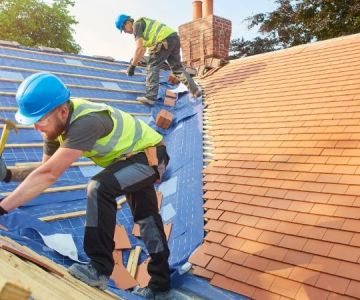
 Gilbert Stucco5.0 (6 reviews)
 Apex Roofing Co5.0 (18 reviews)
 Paramount Roofing Solutions5.0 (11 reviews)
 A1 Gutters4.0 (187 reviews)
 ASC Roofing & Exteriors4.0 (16 reviews)
 Clarke Roofing & Siding5.0 (80 reviews)
 How to Budget for a Roof Replacement Project
 How Roof & Siding Color Choices Affect Curb Appeal & Resale Value
 How to Spot Roofing Damage Before It Spreads
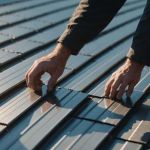 The Complete Guide to Metal Roofing Systems | Total Roofing Hub
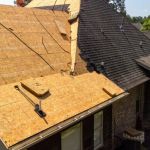 Understanding the Role of Roof Sheathing Moisture Barrier in Roof Protection
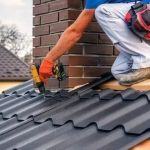 How to Choose Roofing Materials for Maximum Safety