Overview of Roof Replacement Costs
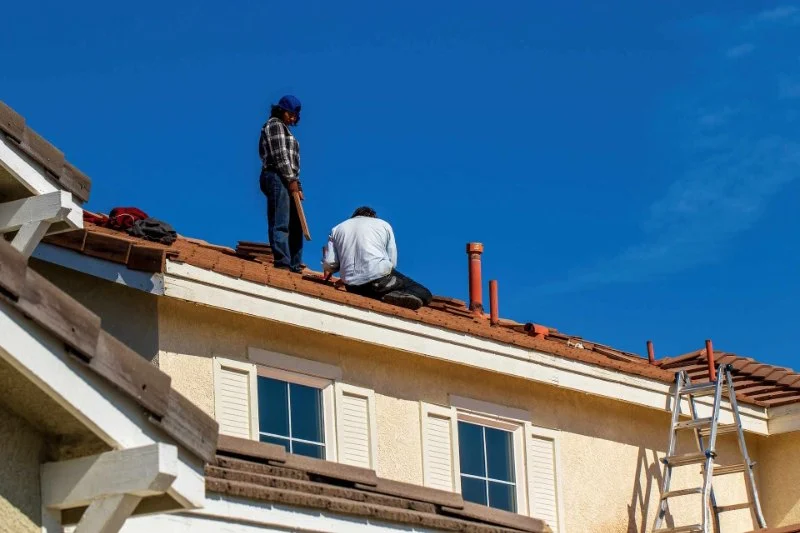
Replacing a roof is a significant investment for any homeowner. Whether it’s due to aging shingles, storm damage, or other factors, roof replacement is a necessary step in maintaining the safety and integrity of your home. However, the cost of a roof replacement can vary widely, and homeowners may find themselves facing unexpected charges if they’re not prepared. In this article, we’ll explore the common hidden costs involved in roof replacement and provide practical tips for avoiding them, ensuring that your roof replacement project stays within budget.
ARC American Residential & Commercial LLC
DahlonegaLumpkin CountyGeorgia
151 Terra Bella Rise, Dahlonega, GA 30533, USA
Common Hidden Costs in Roof Replacement
While many roofing contractors provide an estimate for the cost of replacing your roof, there are often hidden costs that may not be apparent at first. These costs can add up quickly and take you by surprise if you’re not careful. Here are some of the most common hidden costs associated with roof replacements:

Lone Star Roofing of Katy, TX
25722 Kingsland Blvd Suite #103G, Katy, TX 77494, USA
1. Disposal Fees
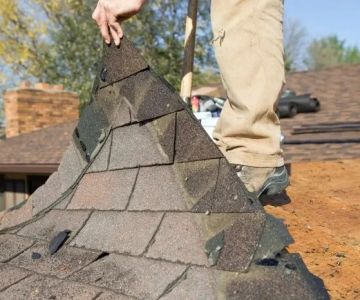
When your old roof is torn off, the debris must be properly disposed of. Some contractors may not include the cost of disposal in their initial estimate, leaving you with an unexpected bill for dumpster rental or landfill fees. Be sure to ask if disposal fees are included in your quote and make sure to clarify the total cost before the work begins.
2. Structural Repairs
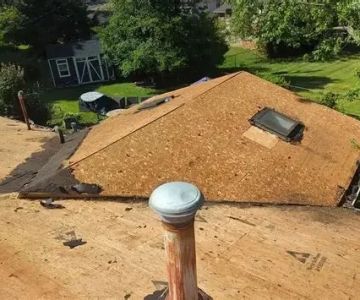
During the roof replacement process, the contractor may discover underlying issues with the roof deck or framing. Water damage, rot, or mold can cause significant structural problems that will need to be addressed before the new roof can be installed. These repairs often aren’t included in the initial estimate, so it’s important to budget for potential structural repairs as part of your roofing project.
3. Upgrades and Materials
Many homeowners opt for upgraded materials, such as high-end shingles, metal roofing, or energy-efficient options. While these upgrades may improve the durability and performance of your roof, they can also significantly increase the cost. Be sure to ask about the options available and factor in any upgrades you’re interested in, as these may not be included in the original quote.
4. Permits and Inspections
Depending on your location, a roof replacement may require permits or inspections to ensure the work complies with local building codes. Permit fees can vary widely depending on your area, and some contractors may not include these costs in their estimates. It’s important to check with your local municipality and your contractor to confirm the permit requirements and related costs.
How to Avoid Hidden Costs During a Roof Replacement
While hidden costs are a common part of roof replacement projects, there are several steps you can take to avoid unexpected charges and keep your project on budget:
1. Get a Detailed, Written Estimate
Before hiring a roofing contractor, always ask for a detailed, written estimate that includes all aspects of the project. The estimate should cover the cost of labor, materials, disposal, and any additional services, such as inspections or permits. This will give you a clear understanding of the total cost and help prevent hidden fees from popping up later on.
2. Ask About Potential Additional Costs
Be upfront with your contractor about your concerns regarding hidden costs. Ask them to provide a list of potential additional charges, such as the cost of replacing damaged decking or upgrading materials. Knowing these possibilities in advance will allow you to make informed decisions and avoid surprises during the project.
3. Consider Roofing Material Options
If you're on a budget, discuss your material options with the contractor. While high-end materials may be tempting, there are affordable options that offer great durability and performance. Discussing your options will help you make a decision that fits both your needs and budget.
4. Plan for Structural Repairs
While you can’t always predict when structural repairs will be necessary, it’s a good idea to budget a contingency amount for unexpected repairs. Many contractors recommend setting aside 10-15% of the total project cost for potential repairs. This will give you a cushion if the contractor uncovers any issues during the job.
5. Check for Licensing and Insurance
Ensure that the contractor you hire is properly licensed and insured. A licensed contractor will have a solid understanding of local building codes and regulations, helping to prevent costly mistakes. Insurance coverage is also essential, as it protects you in the event of accidents or damage during the project.
Real-Life Stories of Unexpected Roof Replacement Costs
Several homeowners have shared their experiences with hidden roof replacement costs. One homeowner, Sarah, found herself facing unexpected structural repairs after the contractor discovered water damage to the wood decking. Sarah had not budgeted for this additional cost, but fortunately, she had a contractor who was transparent about the repairs and worked with her to find a reasonable solution.
Case Study: Unforeseen Permit Fees
Another homeowner, John, was shocked when his contractor informed him of additional permit fees for his roof replacement. John had assumed that the contractor had included all fees in the original estimate, but the permit costs were an extra $500. To avoid this, John recommends that homeowners ask about permits and inspections before agreeing to a project. It's crucial to understand local regulations and factor in any additional fees for permits and inspections upfront.
Final Thoughts on Managing Roof Replacement Costs
Roof replacement is a significant investment, and while hidden costs can be frustrating, being proactive and well-informed can help you manage your budget effectively. By understanding the potential hidden costs and taking steps to avoid them, you can ensure a smooth roof replacement process without financial surprises. Remember to get a detailed estimate, plan for potential repairs, and be aware of local permit requirements to help keep your roofing project on track. For more advice and trusted contractors, check out 【Total Roofing Hub】 for the best recommendations and services.
 Apex Roofing4.0 (124 reviews)
 Exterior Surface-Brite Inc. / Roof Shampoo0.0 (0 reviews)
 Mr. B's Roofing5.0 (35 reviews)
 Tactical Construction Services4.0 (29 reviews)
 Son Home Remodeling5.0 (3 reviews)
 Buckeye Roofing4.0 (39 reviews)
 How Often Should You Replace Your Home's Siding?
 The Ultimate Guide to Roof Replacement for Homeowners: Key Steps & Tips
 The Complete Guide to Metal Roofing Systems | Benefits, Materials, Installation
 How to Spot Roof Wear and Tear Early: Essential Tips for Homeowners
 The Pros and Cons of Vinyl Siding: What You Need to Know
 Why Proper Roof Ventilation Helps Prevent Attic Mold & Ice Damage