The Complete Guide to Metal Roofing Systems: Everything You Need to Know
- 1- What is Metal Roofing?
- 2- Benefits of Metal Roofing
- 3- Types of Metal Roofing Materials
- 4- Metal Roof Installation Process
- 5- Metal Roof Maintenance Tips
- 6- Cost of Metal Roofing
Metal roofing is a popular choice for homeowners and commercial properties due to its durability, longevity, and aesthetic appeal. Unlike traditional asphalt shingles, which need to be replaced every 15-20 years, metal roofs can last 50 years or more, depending on the material used. They are available in a variety of metals, including steel, aluminum, copper, and zinc, each offering distinct advantages in terms of strength, weight, and corrosion resistance.
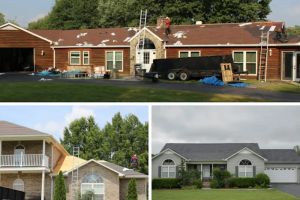
Commerce Roofing Firm
CommerceLos Angeles CountyCalifornia
2201 S Eastern Ave, Commerce, CA 90040, USA
2- Benefits of Metal Roofing
When considering a roof replacement, metal roofing systems offer a range of benefits that make them stand out from other roofing materials:
- Durability: Metal roofs are known for their resilience to extreme weather conditions, including high winds, heavy snow, and rain. They are also resistant to fire, rot, and pests.
- Energy Efficiency: Metal roofs reflect solar heat, which can reduce cooling costs in warmer climates. They help keep homes cooler in summer and warmer in winter, leading to lower energy bills.
- Low Maintenance: Metal roofs require minimal maintenance compared to other roofing materials. They do not need to be replaced as often, and they are less prone to damage from environmental factors.
- Aesthetic Appeal: Metal roofing is available in a wide variety of colors and styles, making it easy to find a design that complements your home's architectural style.
3- Types of Metal Roofing Materials
Choosing the right material for your metal roof is crucial for achieving the desired performance and aesthetic appeal. Here are the most common types of metal roofing materials:
- Steel: Steel is the most common material used in metal roofing. It is durable, relatively affordable, and available in a range of finishes. Galvanized steel, which is coated with a layer of zinc, is particularly resistant to rust and corrosion.
- Aluminum: Aluminum roofing is lightweight and resistant to corrosion, making it ideal for coastal areas or regions with high humidity. It is slightly more expensive than steel but offers excellent longevity.
- Copper: Copper roofing is known for its unique aesthetic and natural patina. Although it is more expensive than other metal roofing materials, it can last up to 100 years and adds a distinctive charm to any building.
- Zinc: Zinc is another premium option for metal roofing, known for its durability and natural self-healing properties. It is an eco-friendly choice due to its long lifespan and recyclability.
4- Metal Roof Installation Process
Installing a metal roof requires careful planning and expertise to ensure that it is done properly. Here's an overview of the typical installation process:
- Preparation: The existing roof (if applicable) is removed, and the underlying structure is inspected for any damage. New decking may be installed if necessary.
- Underlayment Installation: A protective underlayment is installed to provide an extra layer of insulation and prevent moisture from seeping under the metal roofing panels.
- Panel Installation: The metal roofing panels are measured and cut to fit the roof. They are then secured to the roof structure using screws or fasteners.
- Flashing and Sealing: Flashing is applied around roof edges, valleys, and penetrations to prevent leaks. All seams are sealed to ensure the roof is watertight.
5- Metal Roof Maintenance Tips
Metal roofs are relatively low maintenance, but regular upkeep is essential to ensure their longevity. Here are some tips to keep your metal roof in top condition:
- Clean the Roof Regularly: Remove debris such as leaves, branches, and dirt that may accumulate on the roof. This will prevent damage and ensure proper drainage.
- Inspect for Damage: Periodically check for loose or missing panels, rust, or signs of wear. Address any issues promptly to avoid costly repairs.
- Maintain Gutters: Ensure that gutters and downspouts are clear of debris so that water can flow freely off the roof, preventing buildup that could cause damage over time.
6- Cost of Metal Roofing
The cost of installing a metal roof can vary significantly depending on factors such as the material, roof size, and location. On average, homeowners can expect to pay between $5,000 and $15,000 for a metal roof installation. The price range is influenced by:
- Material Choice: Premium materials such as copper or zinc will generally cost more than steel or aluminum.
- Roof Size: Larger roofs require more materials and labor, which will increase the overall cost.
- Labor Costs: Labor rates can vary depending on the region and complexity of the roof installation.
If you're considering a metal roofing system for your home, it's important to get a detailed estimate from a reputable contractor. For more information and to find trusted roofing professionals, visit Total Roofing Hub.
 Skyline Designs Roofing5.0 (99 reviews)
 Perfect Roofing Installations4.0 (60 reviews)
 Dog Tags Construction LLC4.0 (16 reviews)
 Gutter Shutter of Central Maryland5.0 (9 reviews)
 Sam Cline Handyman Services4.0 (37 reviews)
 Paramount Builders Inc.4.0 (302 reviews)
 Should I Repair or Replace My Roof?
 Top 10 Signs Your Roof Needs Immediate Repair Before It’s Too Late
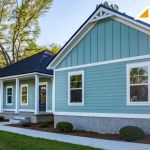 The Pros and Cons of Vinyl Siding: Is It the Right Choice for Your Home?
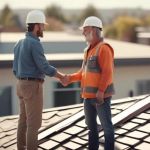 How to Choose a Reliable Roofing Contractor Near You – Expert Tips
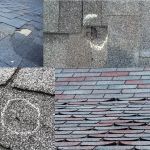 Top 10 Signs Your Roof Needs Immediate Repair You Shouldn’t Ignore
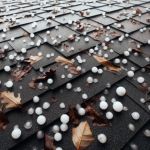 How to Spot Hail Damage on Your Roof | Quick Guide for Homeowners