- Understanding-Roof-Ventilation-and-Why-It-Matters
- How-Poor-Ventilation-Leads-to-Attic-Mold
- The-Connection-Between-Ventilation-and-Ice-Damage
- Key-Signs-Your-Roof-Needs-Better-Ventilation
- Real-World-Example-of-Ventilation-Failure
- How-Total-Roofing-Hub-Can-Help-Protect-Your-Home
1. Understanding Roof Ventilation and Why It Matters
Proper roof ventilation is one of the most overlooked yet crucial aspects of maintaining a healthy home. It’s not just about keeping your attic cool—it’s about protecting your roof’s structure, preventing mold growth, and avoiding costly ice damage during winter.
When a roofing system has balanced intake and exhaust ventilation, air can flow freely through the attic, removing excess heat and moisture. Without this balance, trapped humidity and temperature fluctuations can cause serious issues that often go unnoticed until damage has already occurred.
2. How Poor Ventilation Leads to Attic Mold
2.1 Moisture Accumulation and Condensation
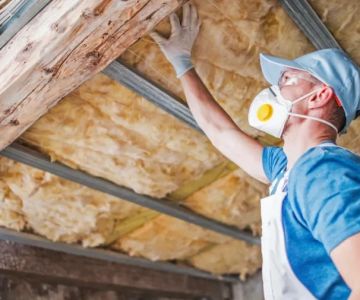
In colder months, warm, moist air from your living space rises into the attic. Without proper ventilation, that air becomes trapped, condenses on cooler roof surfaces, and creates the perfect environment for mold growth. Over time, this moisture can rot wooden structures, damage insulation, and lead to health concerns.
2.2 Health and Structural Impacts
Attic mold is more than a cosmetic issue—it can compromise indoor air quality and trigger respiratory problems for homeowners. Structurally, it weakens the roof deck and can shorten the lifespan of your shingles. The longer it’s ignored, the costlier it becomes to repair.
2.3 The Role of Ventilation in Prevention
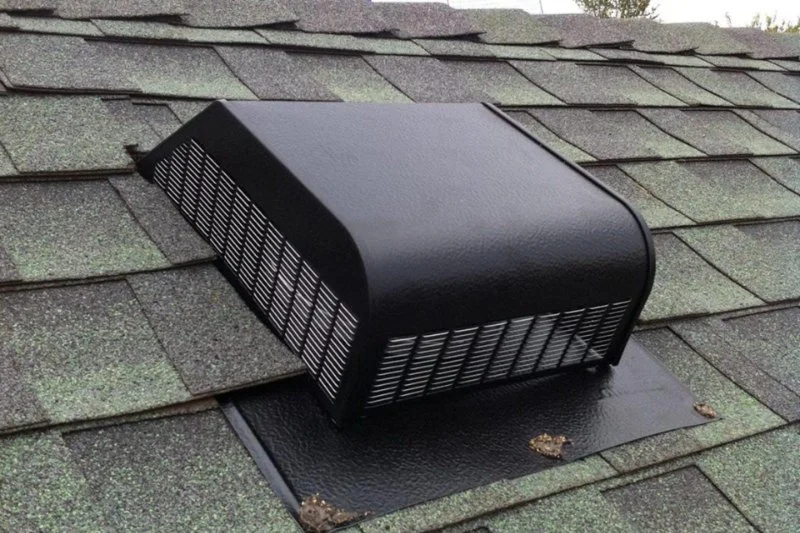
Proper ventilation allows humid air to escape and fresh air to circulate, keeping your attic dry year-round. Ridge vents, soffit vents, and gable vents all work together to create this balance. Regular inspections can ensure these vents remain clear of insulation or debris that could block airflow.
3. The Connection Between Ventilation and Ice Damage
3.1 How Ice Dams Form
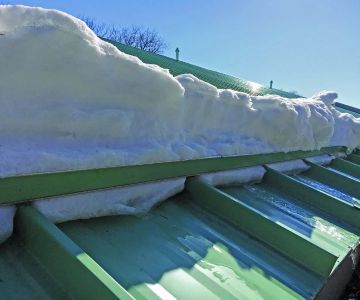
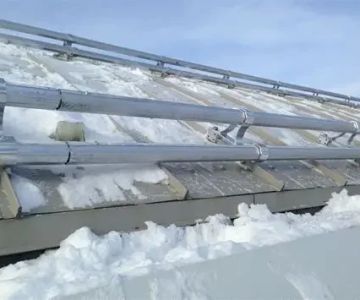
Ice dams occur when warm air from your attic melts snow on your roof, which then refreezes near the eaves. This frozen buildup prevents proper drainage and causes water to back up under your shingles, leading to leaks, rot, and structural deterioration.
3.2 Why Proper Roof Ventilation Matters
A well-ventilated attic keeps the temperature consistent across the roof surface, preventing the freeze-thaw cycle that causes ice dams. Combined with good insulation, ventilation ensures that warm indoor air doesn’t cause uneven melting, which is the primary culprit of ice-related damage.
3.3 Long-Term Cost Savings
Preventing ice dams not only saves your roof from water damage but also extends the life of your shingles and gutters. It’s a small investment in ventilation that can save thousands in future repairs—a point most homeowners realize only after costly winter storms.
4. Key Signs Your Roof Needs Better Ventilation
Recognizing early warning signs can prevent major problems. Some of the most common indicators include:
- Excessive heat buildup in the attic during summer
- Frost or condensation on the underside of the roof deck
- Mold or mildew on rafters, insulation, or stored items
- Ice dams forming on roof edges during winter
- Uneven roof temperatures visible after snowfall
If you notice these issues, it’s essential to consult a roofing professional who can assess your ventilation system and recommend necessary upgrades.
5. Real-World Example of Ventilation Failure
Take the case of a homeowner in Minneapolis who experienced repeated roof leaks every spring. Upon inspection, contractors discovered severe attic mold and warped plywood caused by trapped moisture. The attic had minimal soffit vents and no ridge vent, which created a “heat trap.”
After installing balanced ventilation, the temperature stabilized, and mold growth ceased within months. The homeowner not only avoided another winter of ice dam damage but also saw lower energy bills—proof that ventilation directly affects both comfort and cost efficiency.
6. How Total Roofing Hub Can Help Protect Your Home
At Total Roofing Hub, we specialize in helping homeowners understand and optimize their roof ventilation systems. Our experts assess airflow, insulation, and structural design to create customized solutions that protect your home from attic mold and ice damage.
We also provide access to premium roofing materials and trusted local contractors, ensuring your ventilation improvements are done right the first time. Whether you’re building a new home or upgrading an older one, Total Roofing Hub offers the guidance and support needed to keep your roof—and your family—safe for years to come.
 Marc Joseph remodeling5.0 (1 reviews)
 PRS Roofing Inc5.0 (9 reviews)
 KAPS CONSTRUCTION4.0 (5 reviews)
 Marshall Exteriors, LLC4.0 (213 reviews)
 S.W.A.T. Roofing & Consulting4.0 (46 reviews)
 MATFI RENOVATIONS LLC5.0 (23 reviews)
 Siding Material Fire Ratings: What’s Required & What to Choose
 Roof Talk: Common Terminology Every Homeowner Should Know
 How Often Should You Replace Your Home's Siding? Expert Tips on Siding Longevity
 The Average Lifespan of Asphalt Shingle Roofs: How Long Do They Last?
 How to Choose a Reliable Roofing Contractor Near You | Top Tips and Questions
 Should I Repair or Replace My Roof? – Expert Guide for U.S. Homeowners