
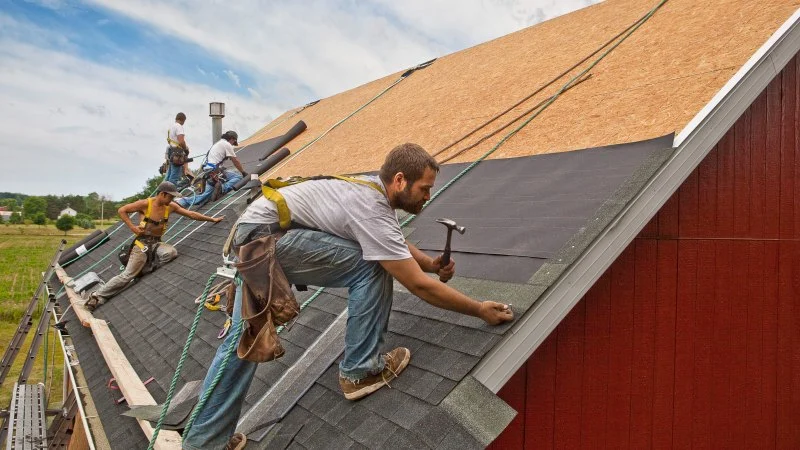
What to Know About Roofing Permits and Local Regulations
- Why Roofing Permits Are Important
- Local Regulations to Know Before Replacing Your Roof
- How to Obtain Roofing Permits for Your Project
- Common Roofing Permit Mistakes to Avoid
- Real-Life Case: Navigating Roofing Permits Successfully
Why Roofing Permits Are Important
Roofing permits are a crucial part of ensuring your roof replacement or repair is done legally and safely. Most local governments require a permit for any major roofing work to ensure that the installation complies with building codes, safety standards, and zoning regulations. Failing to obtain the proper permits could lead to penalties, fines, or even the need to remove the work.
1. Legal Compliance: Obtaining a roofing permit ensures that your project adheres to local building codes and regulations. This helps avoid legal issues down the line and ensures that your roof is safe and structurally sound.
2. Protection for Homeowners: Permits protect homeowners by ensuring that the work is carried out by licensed professionals and that it meets the standards for safety and quality. It also ensures that your insurance company can cover potential damages, as the work is approved by local authorities.
3. Resale Value: If you plan to sell your home in the future, having the correct permits on file for any roofing work done will help prevent issues when potential buyers request a property inspection. Without the proper paperwork, you may face trouble in closing the deal.

Local Regulations to Know Before Replacing Your Roof
Before embarking on a roofing project, it’s essential to familiarize yourself with the local regulations and codes in your area. These regulations vary by city and state, but there are some common factors that you should always check:
1. Roofing Material Restrictions: Some areas may have restrictions on the types of roofing materials you can use. For example, some neighborhoods require fire-resistant materials, while others may have aesthetic restrictions to ensure the look of the neighborhood is maintained.
2. Roof Pitch and Structure: Local building codes often dictate the minimum pitch for roofing systems. You may need to meet certain structural requirements based on the climate, especially in areas with heavy snowfall or high winds.
3. Environmental Concerns: In some regions, you may need to comply with environmental regulations regarding runoff, drainage, or the disposal of old roofing materials. Be sure to check if there are any restrictions on how to dispose of roofing debris.
Edify Contracting LLC Roofing and Siding
1005 Main St, Vestal, NY 13850, USA
How to Obtain Roofing Permits for Your Project
The process of obtaining roofing permits can vary depending on your location, but here are the general steps to follow:
1. Research Local Requirements: Start by contacting your local building department or checking their website to understand the specific requirements for your roofing project. Many cities and counties have online resources that explain the permit process in detail.
2. Hire a Licensed Contractor: In many areas, you’ll need to hire a licensed and insured roofing contractor to perform the work. Your contractor will often handle the permitting process for you, but you should confirm this before beginning the project.
3. Submit Plans and Documents: Depending on the scope of the roofing project, you may need to submit detailed plans and documents to your local building authority. This may include information about the materials to be used, roof measurements, and structural calculations.
4. Pay Permit Fees: Permits usually come with a fee that varies depending on the size and complexity of the project. Make sure to budget for these fees and pay them promptly to avoid delays in your project.
Common Roofing Permit Mistakes to Avoid
While navigating the roofing permit process, homeowners often make mistakes that can delay their project or lead to legal issues. Here are some common mistakes to avoid:
1. Starting Work Before Getting a Permit: One of the most significant mistakes you can make is starting roofing work without obtaining the necessary permits. Always ensure that the permit is approved before any work begins to avoid fines or having to redo the work.
2. Failing to Check for Permit Expiry: Permits often have an expiration date, and you may need to schedule inspections during the process. Failing to keep track of these deadlines can delay the completion of your project.
3. Not Hiring a Qualified Contractor: While some homeowners may attempt to save money by doing the work themselves, it’s essential to hire a licensed contractor who understands local codes and regulations. Not doing so may result in substandard work that doesn’t meet safety requirements.
Real-Life Case: Navigating Roofing Permits Successfully
John and Lisa, homeowners in a suburban neighborhood, decided to replace their old roof. They didn’t realize that their local city required a permit for roof replacements, and they started the project without checking with the local authorities. After a few days of work, they were informed that they needed to halt the project until they had the proper permit in hand.
They quickly contacted a licensed roofing contractor who took over the permitting process for them. The delay caused by not having the permit set them back by several weeks, but once everything was in order, the project continued smoothly. The lesson they learned was the importance of understanding local regulations before starting any home improvement project, no matter how small it may seem.
 Gilbert Stucco5.0 (6 reviews)
 Apex Roofing Co5.0 (18 reviews)
 Paramount Roofing Solutions5.0 (11 reviews)
 A1 Gutters4.0 (187 reviews)
 ASC Roofing & Exteriors4.0 (16 reviews)
 Clarke Roofing & Siding5.0 (80 reviews)
 How to Budget for a Roof Replacement Project
 How Roof & Siding Color Choices Affect Curb Appeal & Resale Value
 How to Spot Roofing Damage Before It Spreads
 The Complete Guide to Metal Roofing Systems | Total Roofing Hub
 Understanding the Role of Roof Sheathing Moisture Barrier in Roof Protection
 How to Choose Roofing Materials for Maximum Safety