- 1-Understanding-Extreme-Weather-Threats-to-Your-Roof
- 2-Importance-of-Regular-Roof-Inspections
- 3-Strengthening-Your-Roof-Against-Severe-Conditions
- 4-Seasonal-Preparation-Strategies-for-Homeowners
- 5-Real-Homeowner-Experience-and-Key-Takeaways
- 6-Early-Warning-Signs-of-Roof-Damage
- 7-Long-Term-Roof-Protection-and-Maintenance
1. Understanding Extreme Weather Threats to Your Roof
Learning how to protect your roof from extreme weather conditions begins with recognizing the types of weather your home may face. In the United States, roofs are exposed to a wide range of environmental stresses, from heavy snow to intense heat and strong winds.

1.1 Common weather-related risks
1. High winds can lift or tear off shingles.
2. Hailstorms may cause dents and cracks.
3. Snow accumulation can add excessive weight.

Blue Ribbon Roofing LLC
Jersey VillageHarris CountyTexas
16245 Singapore Ln, Jersey Village, TX 77040, USA
1.2 Long-term environmental impact
1. UV rays gradually weaken roofing materials.
2. Repeated freeze-thaw cycles cause expansion and contraction.
3. Moisture infiltration leads to structural deterioration.
Understanding these threats allows homeowners to take targeted action before damage occurs.
2. Importance of Regular Roof Inspections
Routine inspections are one of the most effective ways to prevent weather-related roof damage.
2.1 Identifying minor issues early
1. Small cracks or loose shingles can be repaired quickly.
2. Early fixes prevent larger structural problems.
3. Saves money in the long run.
2.2 Professional vs. DIY inspections
1. Homeowners can check visible damage from the ground.
2. Professionals can assess hidden structural issues.
3. Combining both approaches provides better coverage.
2.3 Recommended inspection frequency
1. At least twice a year.
2. After major storms or extreme weather events.
3. Before seasonal transitions.
Many homeowners use resources from Total Roofing Hub to understand what to look for during inspections and how to prioritize repairs.
3. Strengthening Your Roof Against Severe Conditions
Reinforcing your roof can significantly improve its ability to withstand extreme weather.
3.1 Upgrading roofing materials
1. Impact-resistant shingles offer better protection against hail.
2. Metal roofing provides durability in high winds.
3. Modern materials improve longevity.
3.2 Securing structural components
1. Reinforce roof decking for added strength.
2. Ensure flashing is properly installed.
3. Tighten loose fasteners and connections.
3.3 Improving drainage systems
1. Clean gutters regularly to prevent water buildup.
2. Ensure downspouts direct water away from the home.
3. Prevent ice dams during winter.
Strengthening your roof reduces vulnerability and increases overall resilience.
4. Seasonal Preparation Strategies for Homeowners
Each season presents different challenges, and preparation should be tailored accordingly.
4.1 Preparing for winter conditions
1. Remove debris before snowfall.
2. Insulate attic spaces to prevent ice dams.
3. Check for proper ventilation.
4.2 Preparing for summer heat
1. Inspect for heat-related material wear.
2. Ensure reflective coatings are intact.
3. Maintain attic ventilation to reduce heat buildup.
4.3 Storm season readiness
1. Trim nearby trees to reduce impact risks.
2. Secure loose roofing materials.
3. Prepare emergency repair supplies.
Seasonal preparation helps homeowners stay ahead of potential damage rather than reacting after problems occur.
5. Real Homeowner Experience and Key Takeaways
A homeowner in Texas experienced severe roof damage after a sudden hailstorm. Prior to the storm, they had delayed minor repairs and skipped routine inspections.
1. Several shingles were already loose before the storm.
2. Hail impact worsened the damage significantly.
3. Water began leaking into the attic within days.
After consulting experts through Total Roofing Hub, the homeowner reinforced their roof with impact-resistant materials and committed to regular inspections. This experience highlights how preparation and maintenance can prevent costly emergencies.
6. Early Warning Signs of Roof Damage
Recognizing early signs of damage can help prevent more serious issues.
6.1 Visible exterior damage
1. Missing or curling shingles.
2. Cracks or dents from hail impact.
3. Debris accumulation on the roof.
6.2 Interior indicators
1. Water stains on ceilings.
2. Damp insulation in the attic.
3. Unusual drafts or temperature changes.
6.3 Structural warning signs
1. Sagging areas in the roof.
2. Persistent leaks after rainfall.
3. Mold growth in hidden spaces.
Addressing these signs early can prevent extensive and expensive repairs.
7. Long-Term Roof Protection and Maintenance
Maintaining a long-term strategy ensures your roof remains durable against future weather challenges.
7.1 Establishing a maintenance routine
1. Schedule regular inspections and cleanings.
2. Address minor issues promptly.
3. Keep records of repairs and upgrades.
7.2 Investing in quality materials
1. Choose weather-resistant roofing systems.
2. Consider upgrades that improve durability.
3. Focus on long-term value over short-term savings.
7.3 Staying informed and proactive
1. Monitor local weather patterns.
2. Prepare for seasonal risks in advance.
3. Use trusted resources like Total Roofing Hub for expert advice and solutions.
By combining proactive maintenance, smart upgrades, and timely inspections, homeowners can effectively protect their roofs from extreme weather conditions and extend the lifespan of their investment.
 Marina Del Rey Roofing4.0 (24 reviews)
 Oakwood Handyman & Painting5.0 (25 reviews)
 Eternal Pros Construction Inc5.0 (40 reviews)
 North Beach Construction5.0 (22 reviews)
 John David Andress Construction, Inc. "DBA" Restoration Services LLC4.0 (2 reviews)
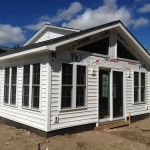 F & D Construction4.0 (65 reviews)
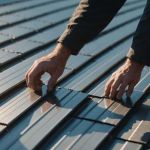 The Complete Guide to Metal Roofing Systems | Total Roofing Hub
 How Often Should You Replace Your Home's Siding? Expert Guide for U.S. Homeowners
 Siding Advice for Homeowners in Hurricane-Prone Regions
 How Much Does It Cost to Repair or Replace a Roof?
 Roof Color Choices: How It Affects Home Curb Appeal & Heat Absorption
 The Pros and Cons of Vinyl Siding