
- #roof-repair-after-storm
- #storm-damage-roof-repair
- #roofing-services
- #roof-repair-process
- #roof-inspection-after-storm
1. What to Expect During Roof Repair After Storm Damage
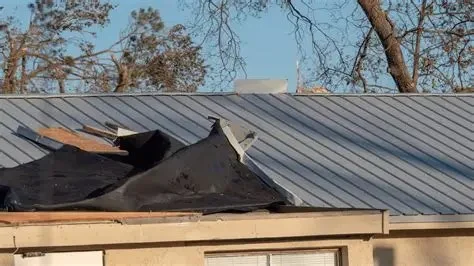
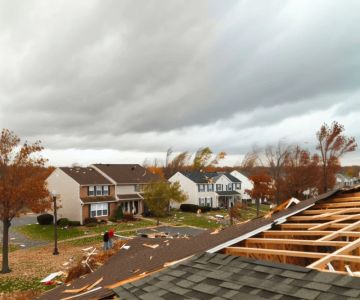
Storms can cause significant damage to your roof, and understanding what to expect during the roof repair process can help you make informed decisions. Whether it's minor leaks or severe damage from falling debris, proper roof repair is essential to ensure the safety and functionality of your home. In this article, we will walk you through the key steps involved in roof repair after a storm, from the initial inspection to the final repairs.
1.1 Initial Roof Inspection
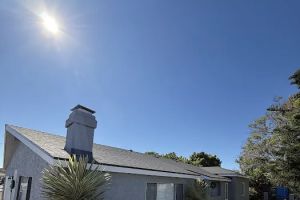
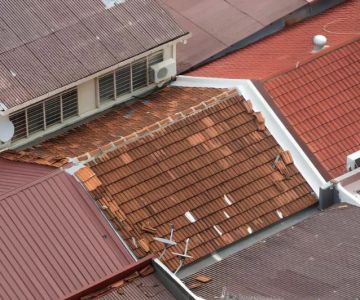
The first step in the roof repair process is a thorough inspection. After the storm has passed and it's safe to do so, a professional roofing contractor will assess the extent of the damage. During the inspection, they will check for missing or damaged shingles, leaks, water stains, structural damage, and any signs of underlying issues. This evaluation will determine the necessary repairs and whether a full roof replacement is needed.
1.2 Temporary Measures and Emergency Repairs
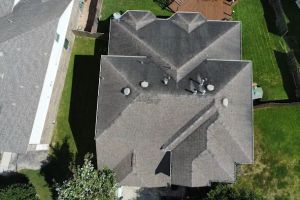
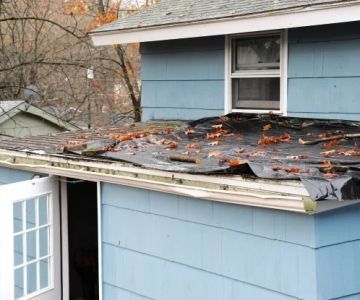
In cases of significant storm damage, emergency repairs may be needed to prevent further damage to your home. A roofing contractor may install a tarp or other temporary solutions to stop leaks and water from entering the home. These temporary fixes will help protect your property until the permanent repairs can be made.
2. The Roof Repair Process: What Happens Next
Once the damage is assessed, the contractor will provide a repair plan. The repair process can vary based on the severity of the damage, but it typically involves several important steps.
2.1 Removing Damaged Materials
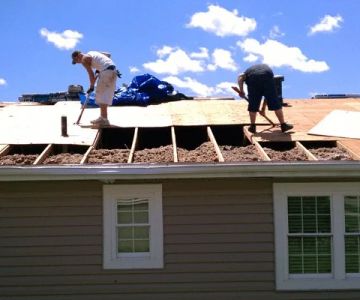
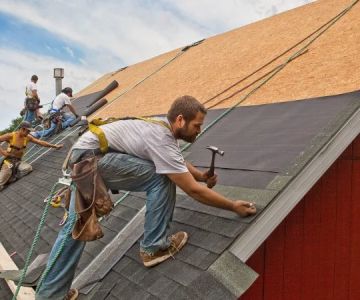
The first step in the actual repair process is removing any damaged materials. This may include tearing off old shingles, removing water-damaged decking, and addressing any structural issues. This step is crucial to ensure that the new materials will adhere properly and that no underlying damage remains.
2.2 Replacing and Repairing the Roof Structure
If the storm caused structural damage, such as a weakened roof deck or broken rafters, these will need to be replaced or repaired. This step is vital for restoring the stability of your roof. In some cases, the damage may only affect a few sections of the roof, allowing for localized repairs.
2.3 Installing New Roofing Materials
Once the damaged materials have been removed and the structure is repaired, the next step is installing new roofing materials. This includes laying down a new underlayment and shingles. Depending on the type of roof and the homeowner’s preferences, materials can range from asphalt shingles to more durable options like metal roofing.
3. How to Choose the Right Roofing Contractor
Selecting the right roofing contractor is essential for ensuring that your roof is repaired properly and that the work is done safely. Here are a few tips to help you choose the right contractor for your storm damage roof repair.
3.1 Look for Licensed and Insured Contractors
It’s crucial to hire a roofing contractor who is licensed and insured. A licensed contractor has the necessary skills and knowledge to perform the work correctly, and insurance protects you in case something goes wrong during the repair process. Make sure to ask for proof of licensing and insurance before hiring anyone.
3.2 Check Reviews and References
Before choosing a contractor, check their reviews and references. A reliable contractor will have positive feedback from past clients and will be willing to provide references. Checking reviews on platforms like Google or Yelp can give you an idea of the contractor’s reputation.
3.3 Get Multiple Estimates
Don’t settle for the first estimate you receive. It’s a good idea to get quotes from at least three different roofing companies. This will give you a better understanding of the fair price for repairs and help you avoid overpriced services.
4. Common Roof Repair Costs After Storm Damage
The cost of roof repair after a storm can vary greatly depending on the extent of the damage, the size of your roof, and the materials required. However, there are some general price ranges you can expect.
4.1 Minor Repairs
If your roof only suffered minor damage, such as a few missing shingles or small leaks, the cost will generally be lower. Minor repairs can range from $200 to $1,000, depending on the scope of the damage and the type of roofing material used.
4.2 Major Repairs and Replacement
In cases of more extensive storm damage, where the entire roof needs to be replaced or large sections need significant repairs, the cost can range from $5,000 to $10,000 or more. It’s important to discuss payment options with your contractor, as many offer financing plans to help cover these costs.
5. How to Prevent Future Storm Damage
After your roof has been repaired, taking steps to prevent future damage is essential. Regular roof maintenance, including gutter cleaning and roof inspections, can help identify potential issues before they turn into major problems.
5.1 Regular Roof Inspections
Schedule regular roof inspections to check for any signs of wear and tear. A professional roofing contractor can help identify weak spots that might be vulnerable to the next storm.
5.2 Strengthen Your Roof’s Structure
Consider strengthening your roof’s structure by reinforcing rafters or adding impact-resistant shingles. These upgrades can make your roof more resilient during future storms and reduce the risk of damage.
For expert roofing services, visit【Total Roofing Hub】to find reliable contractors who can restore your roof after storm damage and help protect your home from future risks.
 Timperio Roofing & Siding Inc4.0 (9 reviews)
 Son Home Remodeling5.0 (3 reviews)
 Paradigm Roofing Contractors Inc.5.0 (2 reviews)
 HomeTeck Roofing & Remodeling4.0 (147 reviews)
 Quantum Builders4.0 (8 reviews)
 Courtesy Roofing1.0 (8 reviews)
 The Best Roofing Materials for Cold Climates: A Complete Homeowner's Guide
 What to Expect During a Roof Inspection: Essential Guide for Homeowners
 How to Prevent Ice Dams – Roof Overhangs, Shingles & Ventilation
 How to Budget for a Roof Replacement Project
 The Best Roofing Materials for Cold Climates: A Guide for Homeowners
 Roof Repair After Fire Damage: What’s Involved