- 1. Importance of Regular Roof Inspections
- 2. Common Causes of Roof Leaks
- 3. Roof Inspection Tips to Prevent Leaks
- 4. How Often Should You Inspect Your Roof?
- 5. Roof Maintenance Tips to Avoid Leaks
- 6. Professional Roof Inspection and Services
1. Importance of Regular Roof Inspections
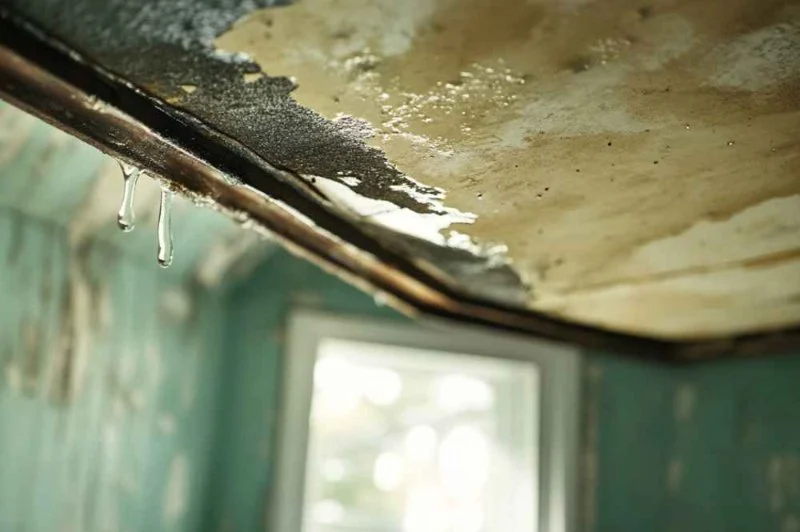
Roof leaks can cause significant damage to your home and belongings, leading to costly repairs if not addressed promptly. One of the best ways to prevent roof leaks is by conducting regular roof inspections. Roof inspections help identify potential issues early on, allowing you to make repairs before they turn into major problems. In this article, we’ll explore the importance of regular roof inspections and how they can save you money and stress in the long run.
Plattinum Brothers, LLC
SyracuseOnondaga CountyNew York
4692 Setting Sun Terrace, Syracuse, NY 13215, USA
2. Common Causes of Roof Leaks
Understanding the common causes of roof leaks can help you focus on the areas that need the most attention during your inspections. Here are some of the most common reasons why roofs leak:
- Damaged Shingles: Over time, shingles can become cracked, broken, or missing, which creates gaps for water to seep through. Damaged shingles are one of the leading causes of roof leaks.
- Clogged Gutters: When gutters are clogged with debris, rainwater cannot flow properly, and it may back up under the roof, causing leaks.
- Flashing Issues: Flashing is the material used to seal joints and edges of the roof. If the flashing becomes loose or damaged, it can allow water to enter the roof and cause leaks.
- Age of the Roof: Roofs naturally degrade over time due to exposure to the elements. An aging roof may be more susceptible to leaks, especially if it hasn’t been properly maintained.
- Poor Installation: If a roof was installed incorrectly or the materials used were subpar, it can lead to leaks that worsen over time.
3. Roof Inspection Tips to Prevent Leaks
Here are some essential tips for inspecting your roof to prevent leaks:
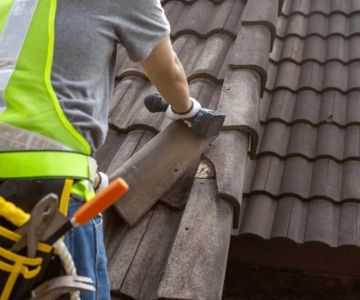
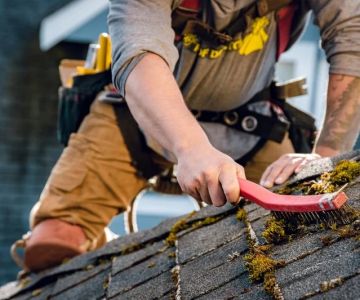
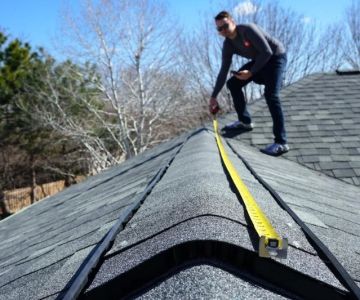
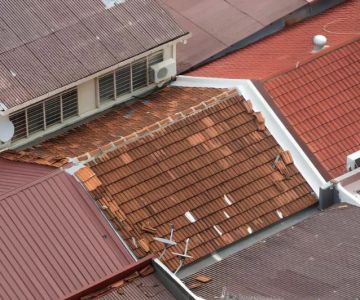
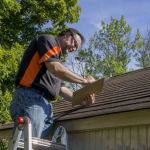
- Check for Damaged or Missing Shingles: Walk around the exterior of your home and look for any shingles that are cracked, curling, or missing. These should be replaced immediately to prevent water from entering the roof.
- Inspect Flashing and Seals: Pay close attention to the flashing around chimneys, vents, and skylights. Make sure the flashing is intact and properly sealed to prevent water from seeping in.
- Examine the Gutters: Ensure your gutters are clean and free from debris. A buildup of leaves, twigs, and other materials can block the water flow, leading to water damage.
- Look for Signs of Wear on the Roof Valleys: The valleys of your roof are the areas where two slopes meet. These are vulnerable to leaks, especially if the shingles are damaged or if the area is clogged with debris.
- Check the Attic for Leaks: Go into your attic and look for signs of leaks, such as water stains or mold growth on the rafters and insulation. If you see any, it may indicate a problem with the roof that needs to be addressed.
4. How Often Should You Inspect Your Roof?
The frequency of roof inspections depends on various factors, including the age of your roof, the climate, and the condition of the roof. As a general rule, it’s recommended to inspect your roof at least once or twice a year, preferably in the spring and fall. However, if you live in an area with harsh weather conditions, such as heavy snow, rain, or wind, more frequent inspections may be necessary.
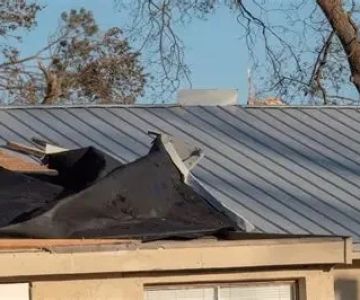
It’s also important to inspect your roof after a major storm, as strong winds, hail, or debris can cause damage that may not be immediately visible from the ground.
Bigfoot Construction
SomersetSomerset CountyPennsylvania
731 E Bakersville Edie Rd, Somerset, PA 15501, USA
5. Roof Maintenance Tips to Avoid Leaks
In addition to regular inspections, routine roof maintenance is essential to prevent leaks and prolong the life of your roof. Here are some maintenance tips to keep your roof in top condition:
- Trim Overhanging Trees: Trees that hang over your roof can cause damage to shingles, gutters, and flashing. Regularly trim branches to prevent debris buildup and protect your roof from potential damage.
- Clean Gutters Regularly: Clean your gutters at least twice a year to prevent water from backing up and causing damage to the roof. Remove leaves, twigs, and other debris that could block the water flow.
- Seal Gaps and Cracks: Regularly inspect the seals around your roof and apply caulk to fill any cracks or gaps that may develop over time. This helps prevent water from seeping into the roof.
- Apply a Roof Coating: Consider applying a protective coating to your roof to extend its lifespan. A roof coating can help prevent water penetration and improve the roof’s resistance to weathering.
6. Professional Roof Inspection and Services
If you’re unsure about performing a roof inspection yourself or if you want a thorough evaluation, consider hiring a professional roofing contractor. A professional roofer can identify potential issues early and recommend the best solutions to prevent roof leaks. Additionally, they can perform maintenance tasks such as sealing cracks, replacing shingles, and cleaning gutters.
For high-quality roofing products and services, visit【Total Roofing Hub】for trusted recommendations and expert services to keep your roof in excellent condition.
 Jay's Home Improvement5.0 (9 reviews)
 Decker Exteriors, LLC4.0 (51 reviews)
 Finnegan & Sons Home Improvement & Handy Man Services4.0 (36 reviews)
 Shea Enterprises, Inc4.0 (9 reviews)
 Eagle Exteriors5.0 (20 reviews)
 ABC Supply Co. Inc.4.0 (30 reviews)
 How to Choose a Reliable Roofing Contractor Near You
 Should I Repair or Replace My Roof?
 Siding Sealing & Caulking Best Practices: A Guide for Effective Home Maintenance
 How to Choose a Reliable Roofing Contractor Near You: A Step-by-Step Guide
 How to Budget for a Roof Replacement Project – Roofing Costs and Tips
 How to Find Licensed and Insured Roofing Contractors in Your Area - Expert Tips