What to Expect During a Roof Inspection: A Comprehensive Guide
- Overview of Roof Inspections
- Steps in a Roof Inspection
- Why Roof Inspections Are Crucial
- Common Issues Found During Roof Inspections
- How to Prepare for a Roof Inspection
A roof inspection is a vital part of maintaining the integrity and longevity of your home. Whether you're purchasing a new property or taking proactive steps to extend the lifespan of your existing roof, knowing what to expect during a roof inspection will help you make informed decisions about your home’s roofing needs. In this guide, we’ll explore the inspection process, why it matters, and what common issues are typically found during an inspection.

Sure Guard Construction
San DiegoSan Diego CountyCalifornia
1281 Ninth Ave Unit #404, San Diego, CA 92101, USA
Steps in a Roof Inspection
A typical roof inspection involves a few essential steps, starting with a thorough visual assessment by a professional. Here’s a breakdown of the process:
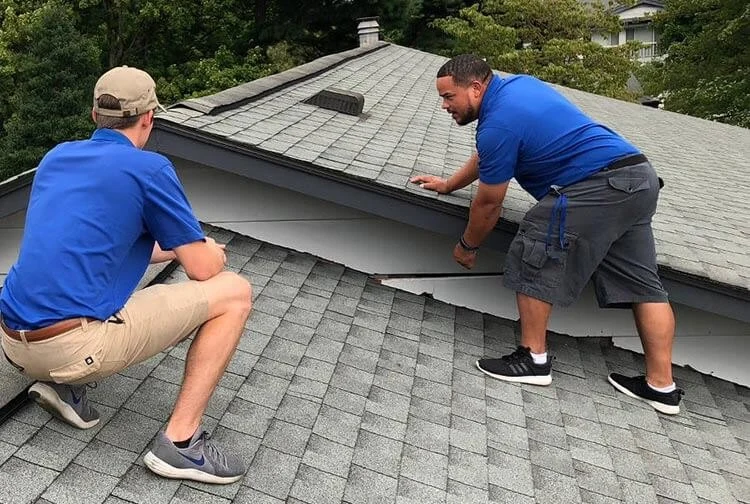
1. External Inspection: The inspector will examine the roof from the outside, checking the condition of shingles, flashing, gutters, and other components. This helps identify visible signs of damage such as missing or curled shingles, cracks, or rusted metalwork.
2. Interior Inspection: The inspector will check the attic or the underside of the roof for leaks, signs of mold, or water stains. This is crucial to identifying hidden problems that may not be visible from the outside.
3. Detailed Reporting: After assessing both the interior and exterior, the inspector will compile a report detailing their findings. The report will include any issues discovered, their severity, and recommended actions.
J.M. Wells Construction LLC
NorwichSoutheastern Connecticut Planning RegionConnecticut
478 New London Turnpike, Norwich, CT 06360, USA
Why Roof Inspections Are Crucial
Roof inspections are an essential part of homeownership. Regular inspections help detect issues before they become major problems, saving you money on repairs in the long run. Roofs are constantly exposed to the elements, and wear and tear is inevitable. A thorough inspection ensures that you catch issues early, extend the lifespan of your roof, and avoid potential damage to your home’s interior.
Furthermore, if you're in the process of buying or selling a home, a roof inspection is a key step in the negotiation process. Sellers often use a roof inspection report to demonstrate the condition of the roof, and buyers use it to identify possible repair costs. For homeowners, a roof inspection can also provide peace of mind, knowing that your home is well-protected.
Common Issues Found During Roof Inspections
During a roof inspection, several common issues may be identified. Some of the most frequently encountered problems include:
1. Leaky Roofs: Roof leaks are one of the most common problems found during inspections. These can be caused by damaged shingles, flashing, or clogged gutters.
2. Damaged Shingles: Missing, cracked, or curling shingles can leave your roof vulnerable to water damage and other environmental factors.
3. Improper Ventilation: Poor attic ventilation can lead to moisture buildup, which can cause mold, rot, and decrease the energy efficiency of your home.
4. Gutter Issues: Blocked or damaged gutters can cause water to back up and seep under the roof, leading to potential structural damage.
How to Prepare for a Roof Inspection
While your roofing contractor will handle most of the work during the inspection, there are a few things you can do to ensure a smooth process:
1. Clear the Area: Make sure that the area around your home is clear of obstacles, like tree branches or outdoor furniture, that might impede the inspector's ability to properly assess the roof.
2. Provide Access to the Attic: If your roof inspection includes an attic inspection, ensure that the area is accessible, well-lit, and clear of obstructions.
3. Ask Questions: During the inspection, ask the inspector to explain any concerns they may have and what steps you can take to remedy them.
If you’re considering having your roof inspected, visit Total Roofing Hub for expert recommendations on the best services and products to maintain or repair your roof. Don’t wait until issues become severe—schedule a roof inspection today!
 Skyline Designs Roofing5.0 (99 reviews)
 Perfect Roofing Installations4.0 (60 reviews)
 Dog Tags Construction LLC4.0 (16 reviews)
 Gutter Shutter of Central Maryland5.0 (9 reviews)
 Sam Cline Handyman Services4.0 (37 reviews)
 Paramount Builders Inc.4.0 (302 reviews)
 Should I Repair or Replace My Roof?
 Top 10 Signs Your Roof Needs Immediate Repair Before It’s Too Late
 The Pros and Cons of Vinyl Siding: Is It the Right Choice for Your Home?
 How to Choose a Reliable Roofing Contractor Near You – Expert Tips
 Top 10 Signs Your Roof Needs Immediate Repair You Shouldn’t Ignore
 How to Spot Hail Damage on Your Roof | Quick Guide for Homeowners