- Understanding Roof Damage: Beyond the Surface
- Common Signs of Hidden Roof Damage
- How Flashing Can Be a Culprit of Roof Damage
- Steps to Identify and Address Hidden Roof Damage
- Why Total Roofing Hub is Your Go-To Resource for Roof Repairs
Understanding Roof Damage: Beyond the Surface
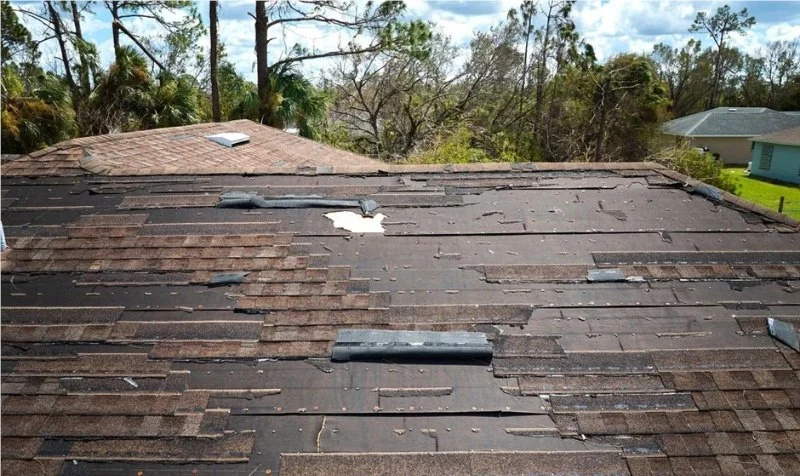
Roof damage is a common issue homeowners face, yet some signs of damage are not always visible on the surface. While you might think your roof is in good condition just by looking at the shingles, hidden damage can lurk beneath, causing significant long-term problems. Identifying these hidden issues early can save you time, money, and prevent further damage to your home.
One of the most common and overlooked sources of roof damage is the area under the shingles or at the flashing. Water can infiltrate these areas, leading to rot, mold growth, or even structural damage, all of which may not be immediately noticeable. To effectively protect your home, it's important to understand these hidden signs of roof damage and know how to address them.

Common Signs of Hidden Roof Damage
Roof damage isn't always visible to the naked eye, especially when it is hidden beneath shingles or in less obvious areas like the flashing. However, there are several subtle signs that can indicate that your roof is compromised:
- Water Stains on Ceilings or Walls: One of the first signs of hidden roof damage is the appearance of water stains on the ceiling or walls. This typically means water is leaking into the home, and the source could be a damaged roof or flashing.
- Increased Energy Bills: A damaged roof can lead to poor insulation, which may result in your HVAC system working harder to regulate the temperature in your home. If your energy bills are rising unexpectedly, roof damage could be a contributing factor.
- Visible Mold or Mildew: Mold and mildew growth inside the attic or on the ceilings is often a result of moisture from a leaking roof. If you notice a musty odor or see visible signs of mold, your roof could be allowing water to seep in.
- Loose or Missing Shingles: While loose or missing shingles are often easy to spot, they can also indicate deeper issues. Underneath the shingles, the roofing structure might be compromised, allowing water to get in and damage the underlying layers of the roof.
- Attic Leaks: If you notice moisture in your attic or spots of daylight shining through your roof, it could mean there is damage hidden underneath the shingles or around the flashing, allowing water to seep through.
If you notice any of these signs, it’s crucial to inspect your roof and address any potential hidden damage before it worsens.
Construction Windows & Roofing
San DiegoSan Diego CountyCalifornia
7933 Silverton Ave Ste 716, San Diego, CA 92126, USA
How Flashing Can Be a Culprit of Roof Damage
Flashing plays a critical role in protecting your roof, but it can also be a common source of hidden damage. Flashing is the material used around roof features like chimneys, vents, and skylights to prevent water from seeping underneath the shingles. Over time, flashing can degrade, shift, or even pull away from the surface, creating gaps that allow water to infiltrate the roof structure.
Leaks around the flashing may not always be immediately visible, especially if the damage is hidden underneath shingles or concealed by the flashing itself. When the flashing is compromised, water can slowly penetrate and cause significant damage to the roof deck or the attic space, potentially leading to mold growth, rot, or structural damage.
If you're experiencing roof leaks, particularly around roof features or joints, it's important to check the condition of the flashing. Even small gaps or cracks can lead to bigger issues if not addressed promptly.
Steps to Identify and Address Hidden Roof Damage
To protect your home from hidden roof damage, you need to take a proactive approach. Here are some steps you can follow to identify and address any damage:
- Conduct Regular Roof Inspections: Regularly inspecting your roof is key to identifying issues before they worsen. Look for signs of missing or damaged shingles, and check for any water stains inside your home. If you're unsure of how to inspect your roof safely, consider hiring a professional roofing contractor.
- Inspect Flashing and Seals: Pay close attention to the flashing around chimneys, vents, and skylights. Look for cracks, gaps, or signs of rust that could indicate wear and tear. It's important to fix any issues with flashing promptly to prevent water from seeping into your home.
- Check the Attic for Leaks: Your attic is one of the best places to check for hidden roof damage. Look for any signs of moisture, mold, or unusual water stains. If you spot any issues, they could indicate that your roof is allowing water to leak through.
- Consult a Roofing Professional: If you suspect there is hidden roof damage but can't identify the exact cause, it's a good idea to consult a roofing professional. A professional can conduct a thorough inspection and recommend the necessary repairs to address any issues.
By staying vigilant and addressing potential damage early, you can avoid costly repairs and keep your home protected from water damage and structural issues.
Why Total Roofing Hub is Your Go-To Resource for Roof Repairs
If you're dealing with roof damage, Total Roofing Hub is your trusted source for expert advice and high-quality roofing services. Whether you're looking for roof inspection services or need assistance with repairs, our team is here to help.
At Total Roofing Hub, we offer professional roof inspections to detect hidden damage under shingles or around flashing. Our experienced contractors are equipped with the tools and knowledge to address any roof damage, big or small, and ensure your roof is in top condition.
Visit Total Roofing Hub today to find the best roofing solutions and services to keep your home safe and secure.
 Marc Joseph remodeling5.0 (1 reviews)
 PRS Roofing Inc5.0 (9 reviews)
 KAPS CONSTRUCTION4.0 (5 reviews)
 Marshall Exteriors, LLC4.0 (213 reviews)
 S.W.A.T. Roofing & Consulting4.0 (46 reviews)
 MATFI RENOVATIONS LLC5.0 (23 reviews)
 Siding Material Fire Ratings: What’s Required & What to Choose
 Roof Talk: Common Terminology Every Homeowner Should Know
 How Often Should You Replace Your Home's Siding? Expert Tips on Siding Longevity
 The Average Lifespan of Asphalt Shingle Roofs: How Long Do They Last?
 How to Choose a Reliable Roofing Contractor Near You | Top Tips and Questions
 Should I Repair or Replace My Roof? – Expert Guide for U.S. Homeowners