- 1-Assessing-Roof-Condition
- 2-Cleaning-And-Maintenance-Tips
- 3-Installing-Effective-Waterproofing
- 4-Gutter-And-Drainage-Strategies
- 5-Roof-Reinforcement-And-Materials
- 6-Case-Studies-Of-Heavy-Rainfall-Protection
- 7-Long-Term-Maintenance-And-Monitoring
- 8-Total-Roofing-Hub-Resources
- 9-Concluding-Recommendations-For-Homeowners
1. Assessing Roof Condition
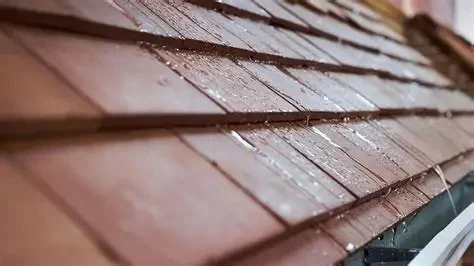
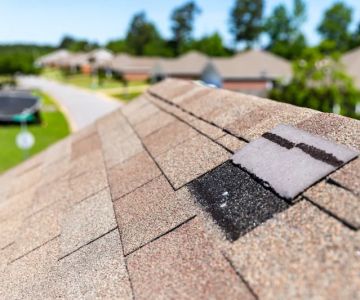
Before implementing protection measures, evaluating your roof’s current condition is crucial. Start by inspecting shingles, tiles, flashing, and the overall structure. Look for cracks, missing shingles, mold, or water stains that indicate existing weaknesses. A well-maintained roof can withstand heavy rainfall far better than one with unnoticed damage.
1.1 Identifying Vulnerable Areas
Focus on valleys, eaves, chimneys, and areas around vents. These are common points where water accumulates and may penetrate the roofing layers. Understanding vulnerable spots helps prioritize reinforcement and repair.
1.2 Professional Inspection Considerations
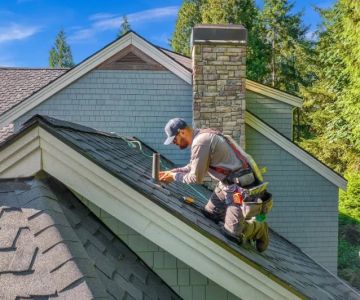
While a visual inspection is helpful, a professional roofer can detect issues hidden beneath the surface, such as compromised underlayment or structural weaknesses. Total Roofing Hub provides guides to help homeowners find certified inspectors in the U.S. to ensure comprehensive assessment.
2. Cleaning and Maintenance Tips
2.1 Regular Debris Removal
Leaves, branches, and dirt can trap water, increasing roof load and risk of leaks. Clean gutters and roof surfaces regularly to allow water to flow freely.
2.2 Preventing Mold and Mildew
Excess moisture can lead to mold growth on shingles or tiles. Use eco-friendly roof cleaners to remove mold and ensure proper ventilation in the attic to prevent condensation accumulation.
2.3 Repairing Minor Damages Promptly
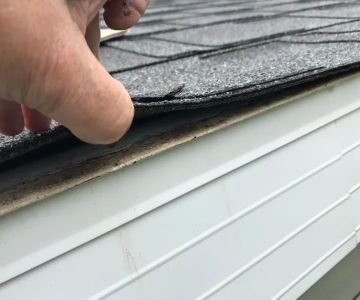
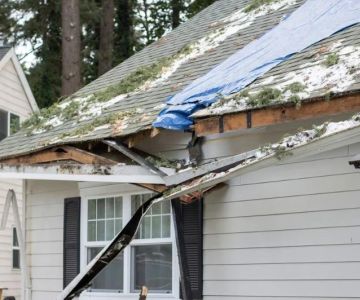
Small cracks or lifted shingles may seem minor but can lead to significant water penetration during heavy rain. Timely repairs prevent further damage and maintain roof integrity.
3. Installing Effective Waterproofing
3.1 Underlayment Installation
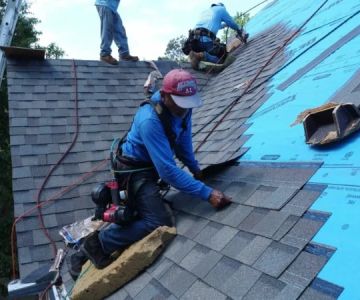
Modern roofing underlayments provide an additional barrier against water infiltration. Synthetic or self-adhering underlayments enhance waterproofing, especially in heavy rainfall regions.
3.2 Roof Sealants and Coatings
High-quality sealants applied around joints, vents, and chimneys can prevent leaks. Reflective or waterproof coatings also improve roof lifespan and resistance to rain.
3.3 Flashing Replacement
Flashing directs water away from roof edges, chimneys, and skylights. Ensure flashing is intact and properly sealed. Damaged or corroded flashing can compromise even the best roofing system.
4. Gutter and Drainage Strategies
4.1 Clearing Gutters and Downspouts
Blocked gutters can cause water to pool on the roof or overflow near foundations. Maintain a clean system to ensure proper drainage during storms.
4.2 Installing Gutter Guards
Gutter guards prevent leaves and debris from clogging the system, reducing the risk of water backup and roof damage. Total Roofing Hub offers recommended gutter guard products for U.S. homeowners.
4.3 Downspout Extensions and Rain Diverters
Direct water away from the roof and foundation using extensions or diverters. This reduces water accumulation around vulnerable areas and prolongs roof life.
5. Roof Reinforcement and Materials
5.1 Choosing Durable Shingles and Tiles
Opt for high-quality, impact-resistant shingles or tiles designed to withstand heavy rainfall and wind. Metal roofs or synthetic composite shingles often provide superior protection.
5.2 Structural Reinforcement
Older homes may benefit from additional roof bracing or underlayment reinforcement. Strengthening trusses and rafters enhances the roof’s ability to handle excessive water and wind loads.
5.3 Roof Ventilation and Insulation
Proper ventilation prevents moisture buildup beneath the roofing material, which can otherwise weaken the structure and increase leak risks during heavy rain.
6. Case Studies of Heavy Rainfall Protection
6.1 Suburban Home in Florida
A Florida homeowner faced frequent tropical storms that caused roof leaks. After upgrading to synthetic underlayment, reinforced flashing, and regular gutter maintenance, the home remained leak-free during a recent storm. The family credited Total Roofing Hub’s guidance for material selection and installation tips.
6.2 Midwestern House with Old Shingles
In the Midwest, heavy spring rains often overwhelm older shingles. By replacing the roof with impact-resistant shingles and applying waterproof sealants, the homeowner reduced water damage incidents and minimized maintenance costs.
6.3 Mountain Region Cabin
A cabin in a high-rainfall mountain area reinforced its roof with metal panels and upgraded insulation. The property survived multiple heavy rain events without leaks, demonstrating the value of durable materials and proper installation techniques.
7. Long-Term Maintenance and Monitoring
7.1 Scheduled Roof Inspections
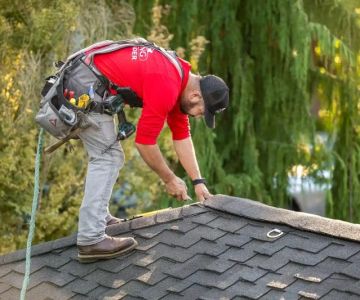
Inspect your roof at least twice a year and after major storms. Check shingles, flashing, and underlayment for signs of wear or water damage.
7.2 Early Leak Detection
Look for water stains inside the home, dripping, or sagging areas in the attic. Early detection allows prompt repairs, preventing costly structural damage.
7.3 Seasonal Preparations
Before the rainy season, ensure gutters are clear, downspouts are extended, and any minor roof repairs are completed. Seasonal maintenance reduces risk during heavy rainfall periods.
8. Total Roofing Hub Resources
8.1 Access to Quality Materials
Total Roofing Hub provides high-quality shingles, waterproof underlayment, sealants, and gutter protection products suitable for heavy rainfall areas.
8.2 Expert Advice and Installation Guides
Homeowners can find step-by-step guides, professional tips, and recommended products to help implement effective rain protection strategies without unnecessary risk.
8.3 Local Contractor Connections
The platform connects users with certified roofing contractors for inspection, installation, and emergency repairs, ensuring safety and proper execution.
9. Concluding Recommendations for Homeowners
Protecting your roof from heavy rainfall requires regular inspections, proper maintenance, high-quality materials, and strategic waterproofing. Implementing these practices reduces risk, prolongs roof life, and prevents water damage. Utilize Total Roofing Hub for reliable materials, expert advice, and professional resources to ensure your roof remains secure during the heaviest storms. Proper planning and proactive measures are key to safeguarding your home and investment.
 Vargas and vargas Painting And Construction4.0 (9 reviews)
 Advanced Roofing Solutions4.0 (36 reviews)
 Home Services at The Home Depot3.0 (7 reviews)
 Wise Custom Builders4.0 (12 reviews)
 Empire Custom Painting0.0 (0 reviews)
 Coastal Roofing & Disaster Services4.0 (11 reviews)
 What to Expect During a Roof Inspection: A Comprehensive Guide
 How to Repair Minor Vinyl Siding Damage: DIY Tips and Techniques
 What to Expect During Roof Repair After Storm Damage
 The Environmental Benefits of a Cool Roof: Why It’s Good for You and the Planet
 The Best Roofs for Low-Maintenance Homes
 Roof Sheathing Replacement: When It Becomes Necessary for Your Home