- 1- What is a Cool Roof?
- 2- Environmental Benefits of a Cool Roof
- 3- Impact on Energy Efficiency
- 4- Reducing the Urban Heat Island Effect
- 5- Improving Air Quality
- 6- Eco-Friendly Roofing Solutions
What is a Cool Roof?
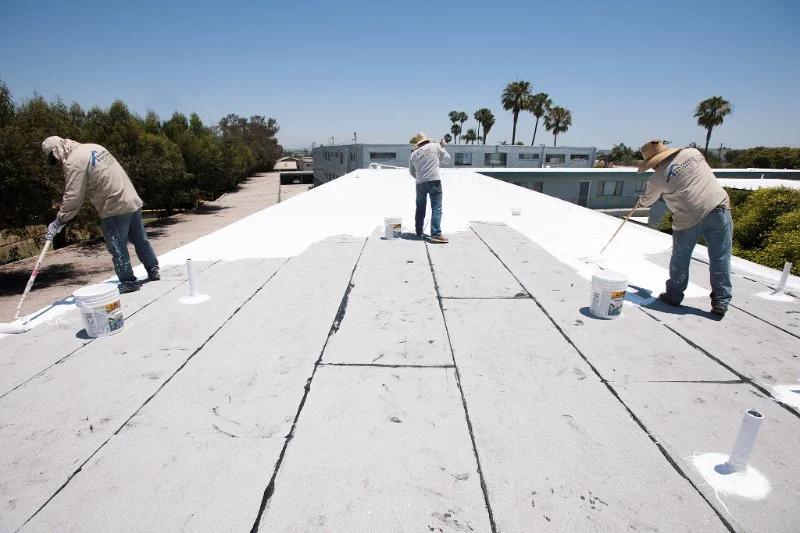
A cool roof is designed to reflect more sunlight and absorb less heat compared to standard roofs. These roofs are typically made with reflective materials or coatings that enhance their ability to reflect solar radiation. Cool roofs can be installed on both residential and commercial buildings, making them an ideal choice for anyone looking to enhance their property’s sustainability.
In this article, we’ll dive deep into the environmental benefits of cool roofs, how they contribute to energy savings, and why they’re a key solution to combating climate change. Let’s explore how adopting cool roofing technologies can make a positive impact on your home and the environment.
Knight Roofing and Gutters
225 Reformation Pkwy STE 200, Canton, GA 30114, USA
1. Environmental Benefits of a Cool Roof
Cool roofs provide several environmental benefits that contribute to a greener, more sustainable world. These benefits are not only practical for reducing energy costs but also crucial for mitigating climate change:
1.1. Reduced Carbon Footprint: By reflecting sunlight and absorbing less heat, cool roofs lower the amount of energy needed for air conditioning. This leads to lower energy consumption, and consequently, fewer greenhouse gas emissions. As homes and buildings become more energy-efficient, they contribute less to global warming.
1.2. Better Temperature Regulation: Cool roofs help to regulate indoor temperatures by keeping buildings cooler. This results in less reliance on air conditioning and a reduction in the demand for electricity. The cooling effect also extends to surrounding areas, reducing the overall heat burden on the environment.

2. Impact on Energy Efficiency
One of the most significant advantages of a cool roof is its ability to improve energy efficiency. By reflecting solar energy, cool roofs significantly reduce the amount of heat absorbed by buildings. This results in lower cooling costs and decreased reliance on air conditioning systems. Here's how cool roofs contribute to energy efficiency:
2.1. Lower Energy Bills: Because cool roofs keep homes cooler, they reduce the need for air conditioning during the summer months. This can result in substantial savings on energy bills, particularly in areas with hot climates.
2.2. Longer Lifespan for HVAC Systems: With less stress on your cooling system, you can extend the lifespan of your air conditioning units. Cool roofs can help reduce wear and tear, leading to fewer maintenance needs and longer service life for HVAC equipment.
2.3. Overall Building Efficiency: Cool roofs contribute to the overall energy efficiency of a building by improving insulation. This means your home or office will require less energy to maintain a comfortable temperature year-round, leading to sustainable long-term savings.
3. Reducing the Urban Heat Island Effect
One of the most pressing environmental challenges in urban areas is the urban heat island (UHI) effect, where cities experience higher temperatures than surrounding rural areas due to human activities and the abundance of heat-absorbing surfaces like concrete and asphalt. Cool roofs are an effective solution to combat this issue:
3.1. Cooling Urban Environments: By reflecting more sunlight and reducing heat absorption, cool roofs help lower the temperatures of urban areas. This not only reduces the UHI effect but also makes cities more comfortable to live in during hot weather.
3.2. Mitigating the Effects of Climate Change: The UHI effect contributes to global warming by increasing energy demand and exacerbating heatwaves. By installing cool roofs, we can reduce the need for air conditioning and decrease the local temperature, which helps mitigate the effects of climate change on a smaller scale.
4. Improving Air Quality
Cool roofs also play a role in enhancing air quality, both locally and globally:
4.1. Reducing Air Pollution: As cool roofs decrease the demand for air conditioning, they reduce the amount of energy needed, which in turn reduces the emissions from power plants. Lower energy consumption means fewer pollutants are released into the atmosphere, leading to cleaner air.
4.2. Lowering Ozone Levels: By reducing the heat that urban areas absorb, cool roofs can help lower the formation of ground-level ozone, which is a significant component of smog. This is particularly important for improving air quality in large cities, where air pollution can have severe health consequences.
5. Eco-Friendly Roofing Solutions
Cool roofs are just one part of the broader movement toward sustainable building materials and practices. There are other eco-friendly roofing solutions that complement cool roofs, contributing to a more sustainable environment:
5.1. Green Roofs: Green roofs, which are covered with vegetation, are another environmentally friendly roofing option. Like cool roofs, they help insulate buildings and reduce energy consumption. Additionally, green roofs help with stormwater management and support local biodiversity.
5.2. Solar Reflective Coatings: Many homeowners are opting for solar reflective coatings that can be applied to existing roofs. These coatings enhance the reflective properties of the roof, making it more energy-efficient without the need for a full roof replacement.
 Skyline Designs Roofing5.0 (99 reviews)
 Perfect Roofing Installations4.0 (60 reviews)
 Dog Tags Construction LLC4.0 (16 reviews)
 Gutter Shutter of Central Maryland5.0 (9 reviews)
 Sam Cline Handyman Services4.0 (37 reviews)
 Paramount Builders Inc.4.0 (302 reviews)
 Should I Repair or Replace My Roof?
 Top 10 Signs Your Roof Needs Immediate Repair Before It’s Too Late
 The Pros and Cons of Vinyl Siding: Is It the Right Choice for Your Home?
 How to Choose a Reliable Roofing Contractor Near You – Expert Tips
 Top 10 Signs Your Roof Needs Immediate Repair You Shouldn’t Ignore
 How to Spot Hail Damage on Your Roof | Quick Guide for Homeowners