
- 1 - Understanding Hidden Roof Leaks
- 2 - Common Signs of Hidden Leaks
- 3 - Inspection Tips for Early Detection
- 4 - Tools and Techniques for Leak Detection
- 5 - Preventive Maintenance Strategies
- 6 - Real-Life Case Studies
- 7 - Professional Help and Services
1 - Understanding Hidden Roof Leaks
1.1 What Are Hidden Roof Leaks?
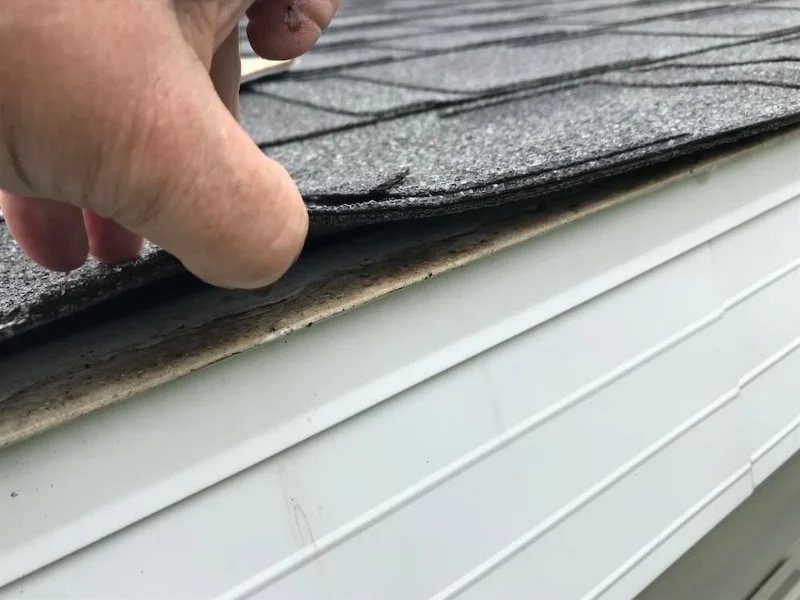
Hidden roof leaks are water intrusions that are not immediately visible from inside the home or attic. They can occur under shingles, around vents, chimneys, or flashing, slowly causing structural damage over time. Because these leaks often start small, they can go unnoticed until they result in mold, rot, or ceiling stains.
1.2 The Risks of Ignoring Leaks
Neglecting hidden leaks can escalate repair costs exponentially. Water penetration weakens roof decking, compromises insulation, and increases the likelihood of pest infestations. Early detection is critical to preserving both the roof structure and the interior of your home.
2 - Common Signs of Hidden Leaks
2.1 Indoor Indicators
Look for discolored ceiling spots, bubbling or peeling paint, water stains along walls, or a musty odor in attic spaces. Even minor signs can indicate that water is entering the home through concealed paths in the roof structure.
2.2 Outdoor Indicators
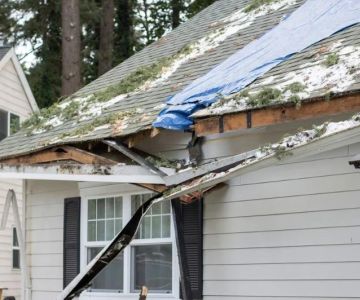
Exterior signs include missing or curling shingles, damaged flashing, moss or algae growth, and sagging roof sections. These subtle hints can reveal potential points where hidden leaks originate.
3 - Inspection Tips for Early Detection
3.1 Routine Visual Checks
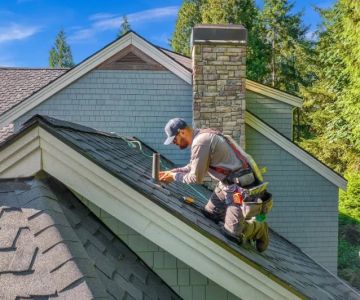
Conduct a seasonal visual inspection of the roof, paying close attention to high-risk areas like valleys, skylights, and around chimneys. Document any damage for future reference and track deterioration over time.
3.2 Attic and Interior Inspection
Regularly examine attic insulation for damp spots and inspect ceiling joints for water penetration. Flashlights and moisture meters can help identify areas that are not immediately apparent from a casual look.
3.3 Weather Considerations
Inspect roofs after heavy rain, hail, or snowstorms. Such events often expose pre-existing weaknesses that may not be visible during normal conditions. Post-storm inspections can prevent hidden damage from worsening.
4 - Tools and Techniques for Leak Detection
4.1 Infrared Thermography
Infrared cameras can detect temperature variations in roofing materials caused by moisture. This non-invasive method helps locate hidden leaks before they cause visible damage.
4.2 Moisture Meters
Handheld moisture meters provide immediate readings of water content in roofing materials. They are essential for detecting leaks inside attics and under roofing layers where visual signs are minimal.
4.3 Water Testing Methods
Controlled water tests can be used to simulate rain conditions and observe water intrusion points. This technique is especially useful for identifying leaks around flashing, vents, and skylights.
5 - Preventive Maintenance Strategies
5.1 Roof Cleaning
Remove debris, moss, and algae regularly. Clogged gutters and downspouts can force water to seep into vulnerable areas, accelerating hidden leak formation.
5.2 Regular Repairs
Address minor roof damage immediately. Replacing missing shingles, repairing flashing, and sealing roof penetrations significantly reduces the risk of hidden leaks spreading.
5.3 Scheduling Professional Inspections
Even diligent homeowners benefit from annual professional roof inspections. Certified roofing experts from Total Roofing Hub can identify problem areas that may not be visible to the untrained eye.
6 - Real-Life Case Studies
In Atlanta, a homeowner noticed minor ceiling discoloration. A thorough inspection revealed a hidden leak around the chimney flashing. Early detection by Total Roofing Hub prevented widespread water damage, saving over $5,000 in repairs.
Another case in Chicago involved attic insulation showing slight dampness. Using infrared thermography, technicians detected water intrusion under multiple shingles. Timely intervention preserved the roof structure and prevented mold growth, highlighting the value of proactive leak detection.
7 - Professional Help and Services
7.1 Why Hire Experts
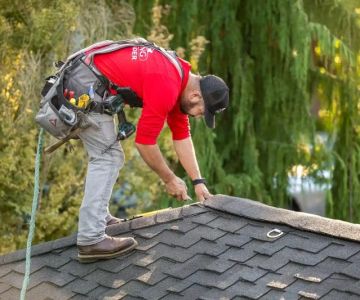
Roof leak detection requires experience, specialized tools, and safety protocols. Professional roofing teams can accurately diagnose hidden leaks, recommend repair solutions, and ensure long-lasting results.
7.2 How Total Roofing Hub Can Assist
Homeowners can rely on Total Roofing Hub for comprehensive inspections, early leak detection, and quality repair services. Their certified professionals provide expert guidance and solutions tailored to your roofing needs, minimizing damage and future costs.
Detecting hidden roof leaks early is essential for protecting your home’s structural integrity. Implementing routine inspections, using the right tools, and engaging professional services from Total Roofing Hub ensures your roof remains safe, dry, and durable for years to come.
 Capital Roofs Plus LLC5.0 (4 reviews)
 Retro Roofers5.0 (95 reviews)
 Rigali Exterior Construction Inc5.0 (120 reviews)
 Southern Roofing and Renovations5.0 (41 reviews)
 J. Bogan's Contracting LLC5.0 (18 reviews)
 West Meridian Roofing Inc5.0 (43 reviews)
 Roof Replacement & Your Home Insurance Premiums: What You Need to Know
 How to Choose Roofing Materials for Long-Term Savings
 How Much Does a New Roof Cost in 2025?
 How to Protect Your Roof from Heavy Rainfall
 How to Repair Roof Eaves & Overhang Damage: Step-by-Step Guide
 The Environmental Benefits of a Cool Roof: Reduce Heat and Energy Costs