
- 1 - Signs It’s Time to Replace Your Home’s Siding
- 2 - Expected Lifespan of Different Siding Materials
- 3 - How Climate and Environment Affect Siding Longevity
- 4 - The Role of Maintenance and Care in Extending Lifespan
- 5 - Costs and Value Considerations When Replacing Siding
- 6 - Real-Life Stories and Homeowner Experiences
- 7 - Professional Guidance and Recommendations
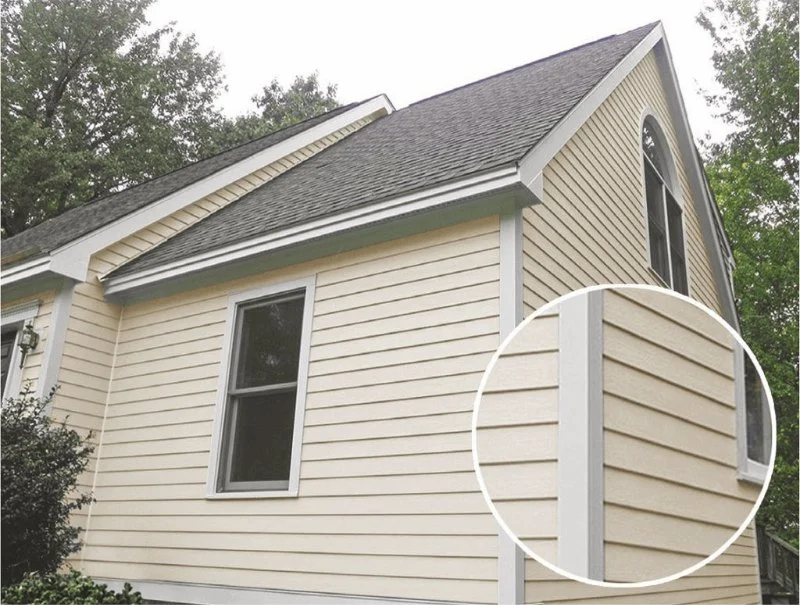
1 - Signs It’s Time to Replace Your Home’s Siding
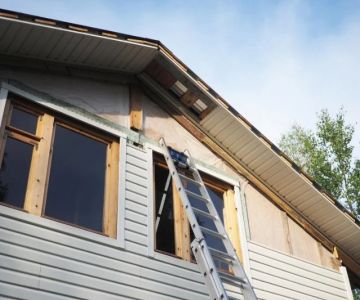
Many homeowners ask, “How often should you replace your home’s siding?” The answer often depends on the warning signs you notice around your house. Peeling paint, warping panels, mold growth, or higher-than-normal energy bills can all indicate your siding has lost its protective function. While minor issues can sometimes be repaired, consistent damage is usually a sign it’s time for full replacement to maintain both curb appeal and structural integrity.
Shield Solutions LLC
LansdaleMontgomery CountyPennsylvania
1816 W Point Pike #209, Lansdale, PA 19446, USA
2 - Expected Lifespan of Different Siding Materials
The longevity of siding varies widely depending on the material. Vinyl siding typically lasts between 20 to 40 years, while fiber cement siding can reach 50 years with proper care. Wood siding, though beautiful, often requires replacement after 15 to 25 years unless meticulously maintained. Stucco and brick veneer can last even longer, but they still require inspection for cracks or moisture intrusion. Understanding these timelines helps you budget for replacement before problems escalate.
Right Service Roofing and Roof Repair NJ
RandolphMorris CountyNew Jersey
111 Canfield Ave, Randolph, NJ 07869, USA
3 - How Climate and Environment Affect Siding Longevity
Climate plays a critical role in determining how often you should replace your siding. In coastal areas, salt and moisture accelerate deterioration, while in northern regions, freeze-thaw cycles can crack certain materials. In contrast, homes in dry states like Arizona may see siding last longer due to less moisture damage. For example, a family in Minnesota replaced their wood siding earlier than expected due to harsh winters, whereas a homeowner in Texas reported vinyl siding lasting decades with minimal problems.
4 - The Role of Maintenance and Care in Extending Lifespan
Regular maintenance can significantly extend the life of your siding. Washing vinyl siding once or twice a year prevents mold growth, while repainting wood siding every five to seven years helps resist rot. Fiber cement siding needs minimal upkeep, but occasional inspections for cracks are essential. Neglecting maintenance often leads to premature replacement, while proactive care can save thousands of dollars in the long run.
5 - Costs and Value Considerations When Replacing Siding
The cost of replacing siding varies by material and square footage, but it’s important to weigh it against the value it adds to your home. According to remodeling industry reports, siding replacement consistently ranks among the top projects for return on investment, often recouping 70–80% of the expense. Beyond financial value, new siding enhances curb appeal, improves insulation, and protects against water intrusion. Many homeowners find that timely replacement pays off in both aesthetics and performance.
6 - Real-Life Stories and Homeowner Experiences
Homeowner stories highlight just how situational siding replacement can be. One couple in Florida replaced their vinyl siding after hurricane damage, investing in stronger fiber cement to better withstand storms. Meanwhile, a California homeowner upgraded from old wood siding to stucco, noting not only improved durability but also lower cooling bills in the summer. These experiences show that siding replacement decisions often combine necessity with opportunity for upgrades.
7 - Professional Guidance and Recommendations
Deciding how often to replace your home’s siding requires balancing material lifespan, climate, and signs of deterioration. While general timelines provide guidance, each home’s needs are unique. For the most reliable results, consulting professionals ensures you choose the right materials and installation techniques for long-lasting protection. Homeowners looking for trusted options can turn to Total Roofing Hub for expert advice, quality products, and reliable contractors. With professional support, siding replacement becomes not just a repair, but a smart investment in your home’s future.



 Skyline Designs Roofing5.0 (99 reviews)
 Perfect Roofing Installations4.0 (60 reviews)
 Dog Tags Construction LLC4.0 (16 reviews)
 Gutter Shutter of Central Maryland5.0 (9 reviews)
 Sam Cline Handyman Services4.0 (37 reviews)
 Paramount Builders Inc.4.0 (302 reviews)
 Should I Repair or Replace My Roof?
 Top 10 Signs Your Roof Needs Immediate Repair Before It’s Too Late
 The Pros and Cons of Vinyl Siding: Is It the Right Choice for Your Home?
 How to Choose a Reliable Roofing Contractor Near You – Expert Tips
 Top 10 Signs Your Roof Needs Immediate Repair You Shouldn’t Ignore
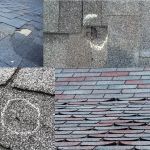
 How to Spot Hail Damage on Your Roof | Quick Guide for Homeowners