- roof-durability-factors-weather-impact - Understanding how climate affects roofing performance
- material-comparison-roof-types - Comparing asphalt, metal, tile, and modern composites
- energy-efficiency-roofing-choice - How roofing affects home temperature and energy bills
- cost-vs-lifespan-analysis - Balancing upfront cost with long-term value
- installation-quality-roof-performance - Why workmanship matters as much as materials
Why Roofing Material Choice Defines Long-Term Home Protection
A roof is more than just the top layer of a house—it is the first and most important barrier between your home and everything nature throws at it. Rain, wind, snow, heat, and debris all test its strength daily. Choosing the right roofing system is not just a design decision, it is a long-term protection strategy for your entire property.
Understanding How to Choose Roofing Materials for Maximum Home Protection means thinking beyond appearance. Many homeowners initially focus on color or price, but the real value of a roof comes from its durability, resistance to weather extremes, and ability to protect the structure underneath for decades.
A homeowner in Florida once shared how their decision to choose cheaper shingles led to early roof deterioration after just a few hurricane seasons. In contrast, their neighbor who invested in impact-resistant materials experienced minimal damage despite similar storm exposure. The difference was not luck—it was material selection.
Understanding the Core Factors That Influence Roofing Performance
Climate Exposure and Environmental Stress on Roofs
Every roofing material reacts differently depending on the environment it is placed in. Hot climates accelerate aging in some materials, while cold regions introduce freeze-thaw cycles that can crack or loosen roofing components.
For example, areas with heavy rainfall require materials with strong water resistance, while regions with intense sunlight demand UV-resistant surfaces that do not degrade quickly. Ignoring climate compatibility often leads to premature roof failure.
A practical roofing materials guide always starts with local weather analysis, because no material performs equally well in every environment.
Espinoza Roofing & Construction
MagnoliaMontgomery CountyTexas
16318 Evergreen Timbers, Magnolia, TX 77355, USA
Comparing Popular Roofing Materials and Their Real Strengths
Asphalt Shingles: Affordable but Limited Lifespan
Asphalt shingles remain one of the most widely used roofing materials in the United States due to their affordability and ease of installation. They offer decent protection in moderate climates but can struggle under extreme heat or high wind conditions.
Over time, shingles may curl, crack, or lose granules, especially if ventilation is poor or installation quality is low. Despite this, they remain a practical choice for budget-conscious homeowners.
Metal Roofing: Strength and Longevity Combined
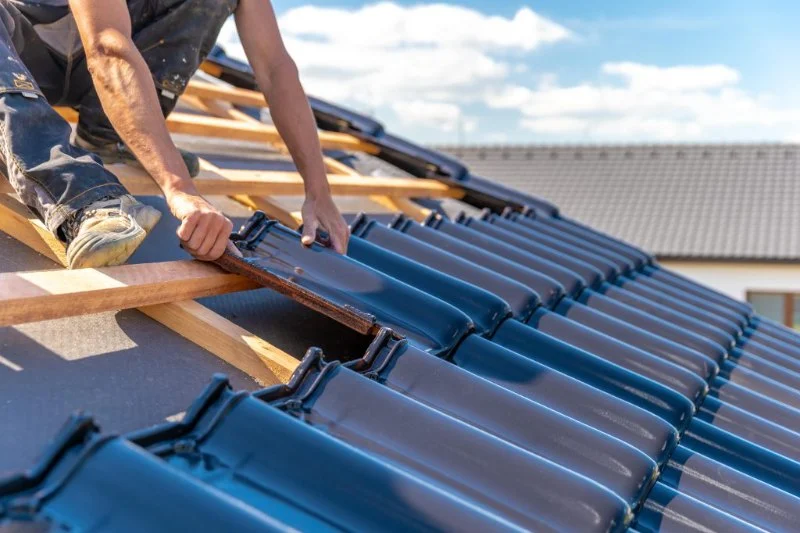
Metal roofs are known for durability and long service life. They perform exceptionally well in harsh weather conditions, including heavy snow and strong winds.
They also reflect sunlight, which improves energy efficiency by reducing cooling costs in warmer climates. While the upfront cost is higher, many homeowners view it as a long-term investment in home protection.
Tile Roofing: Heavyweight Protection with Classic Appeal
Tile roofing offers excellent durability and fire resistance. It is especially popular in warm, dry climates where heat resistance is essential.
However, tile roofs are heavy and require a strong structural foundation. Installation quality plays a major role in ensuring long-term performance.
Modern Composite Materials: Innovation in Roofing Technology
Composite roofing materials are engineered to combine durability, aesthetics, and weather resistance. These materials often mimic natural textures like wood or slate while offering improved resilience.
They are becoming increasingly popular in modern residential roofing due to their balance of performance and design flexibility.
Energy Efficiency and Its Impact on Long-Term Savings
How Roofing Choices Influence Indoor Temperature
Roofing materials play a significant role in regulating indoor temperatures. Light-colored or reflective materials reduce heat absorption, while darker surfaces tend to retain warmth.
In hot climates, energy-efficient roofing can significantly reduce air conditioning usage. In colder regions, insulation properties help retain heat and reduce heating costs.
Homeowners often underestimate this factor, but over time, it can significantly impact monthly utility bills.
Cost vs Long-Term Value in Roofing Decisions
One of the most common mistakes homeowners make is focusing only on upfront cost. While cheaper materials may seem attractive initially, they often require more frequent repairs or earlier replacement.
A more effective approach is evaluating lifecycle cost—how much the roof will cost over 20 to 50 years including maintenance and replacement.
A homeowner in Texas once replaced an inexpensive roof twice within 15 years due to storm damage. A neighbor who chose a higher-grade system spent more initially but avoided replacement costs entirely during the same period.
Installation Quality and Its Role in Roof Performance
Why Even the Best Materials Fail with Poor Installation
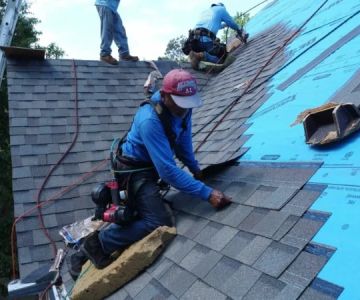
Even premium roofing materials cannot perform well if installation is done incorrectly. Poor sealing, improper alignment, or weak underlayment can significantly reduce lifespan.
Proper installation ensures that materials perform as intended, especially in extreme weather conditions where small errors can lead to leaks or structural damage.
Working with experienced professionals and reliable suppliers is essential. Many homeowners turn to platforms like Total Roofing Hub to explore materials and services that align with long-term protection goals.
Maintenance Practices That Extend Roof Lifespan
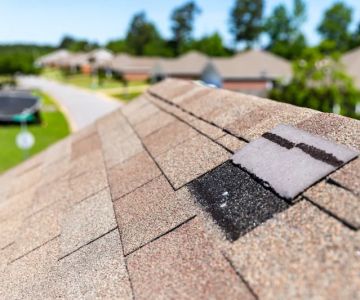
Regular roof inspections help identify early signs of damage such as loose shingles, cracked tiles, or clogged drainage systems. Addressing small issues early prevents larger structural problems later.
Seasonal maintenance, especially after storms, is crucial for maintaining roof integrity. Cleaning debris and checking flashing areas can significantly extend roof lifespan.
Making the Right Roofing Decision for Long-Term Protection
Choosing roofing materials is ultimately about balancing durability, climate suitability, cost, and energy performance. There is no universal “best” option—only the best fit for a specific home and environment.
Homeowners who take time to evaluate these factors tend to experience fewer repairs, better energy efficiency, and greater long-term protection of their property investment.

 San Diego Custom Painting5.0 (29 reviews)
 Hendrix Seamless Gutter Installation4.0 (24 reviews)
 Green Cove Springs Guys Roofing Contractors Pros0.0 (0 reviews)
 Mike Peters Contracting Inc.4.0 (58 reviews)
 Ron Bickel Roofing, Inc5.0 (1 reviews)
 AMW Construction & Roofing5.0 (46 reviews)
 Siding vs Stucco: Which Is Better for Your Home?
 How Roof Pitch & Overhang Protect Exterior Walls: Key Benefits Explained
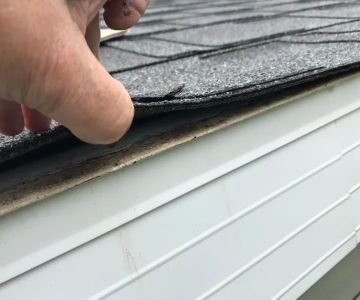
 How to Replace Roof Felt or Underlayment Yourself (with Caution)
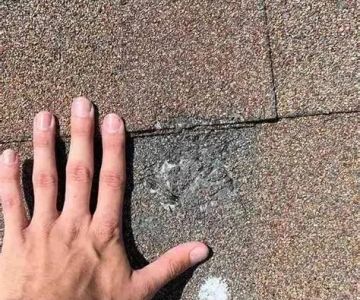
 How to Spot Hail Damage on Your Roof
 What Government Rebates Exist for Roofing & Siding Upgrades
 How to Choose a Reliable Roofing Contractor Near You: A Step-by-Step Guide