
- 1- Understanding Roofing Damage
- 2- Signs of Damage on Shingle Roofs
- 3- Signs of Damage on Metal Roofs
- 4- Signs of Damage on Tile Roofs
- 5- Signs of Damage on Flat Roofs
- 6- Tools and Inspection Tips
- 7- Case Studies and Real-Life Examples
- 8- Maintenance and Prevention Tips
- 9- Professional Recommendations and Resources
1. Understanding Roofing Damage
Roof damage can develop gradually or appear suddenly after storms, ice accumulation, or wear over time. Recognizing signs early is crucial to prevent structural damage, leaks, and costly repairs. Different roofing materials—shingles, metal, tiles, and flat roofs—exhibit damage differently. Understanding these variations helps homeowners and inspectors make timely interventions.
1.1 The Importance of Early Detection
Small cracks, lifted shingles, or corrosion can escalate into significant issues if neglected. Early detection allows targeted repairs, saving homeowners both money and stress. Consulting reliable resources like Total Roofing Hub ensures you use the right tools and methods for inspection.
2. Signs of Damage on Shingle Roofs
Shingle roofs, especially asphalt, are common in the US. They typically show wear through:
2.1 Curling or Buckling Shingles
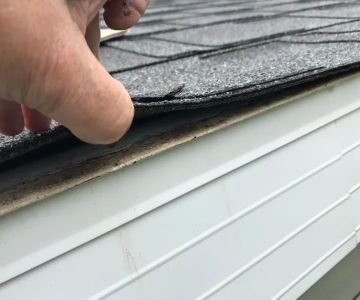
Shingles that curl at the edges or buckle indicate prolonged exposure to heat, moisture, or poor installation. This compromises the roof’s protective layer and may allow water infiltration.
2.2 Missing Granules
Granules protect shingles from UV rays. Excessive granule loss, often visible in gutters or near downspouts, signals aging shingles and reduces durability.
2.3 Cracked or Torn Shingles
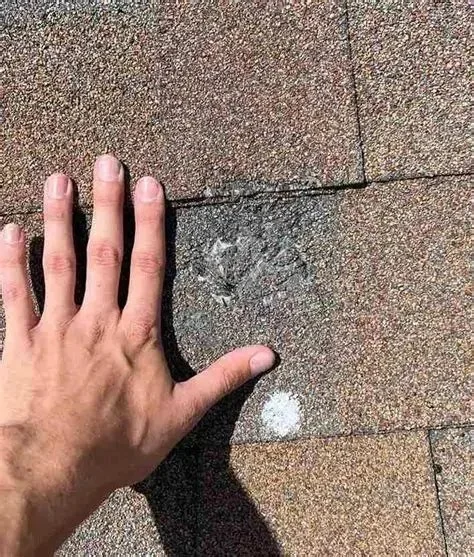
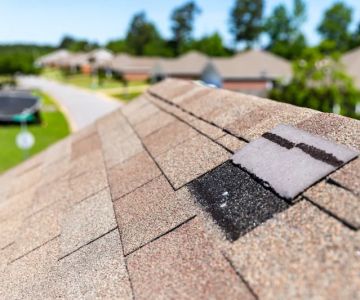
Cracks occur due to weather extremes or impact. Torn shingles can expose the underlayment, leading to leaks and interior damage.
3. Signs of Damage on Metal Roofs
Metal roofs, while durable, have specific vulnerabilities:
3.1 Rust and Corrosion
Even coated metal roofs can develop rust if the protective layer is compromised. Check seams, fasteners, and edges for discoloration or flaking.
3.2 Loose or Missing Panels
High winds or improper installation can cause panels to loosen. Missing screws or nails reduce stability and increase vulnerability to leaks.
3.3 Dents and Impact Damage
Falling branches, hail, or debris can leave dents that compromise aesthetics and sometimes structural integrity. Prompt inspection prevents escalation.
4. Signs of Damage on Tile Roofs
Tile roofs—clay, concrete, or slate—are attractive and durable but can develop distinctive damage patterns:
4.1 Cracked or Broken Tiles
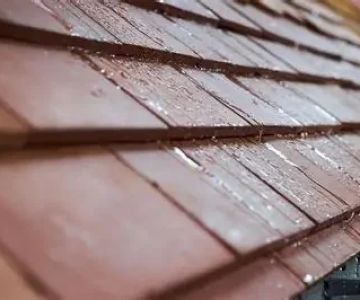
Extreme temperatures or impacts can crack tiles. Cracks allow water penetration, potentially damaging the underlayment and supporting roof deck.
4.2 Loose Tiles
Tiles may shift or become loose due to weather or poor installation. Inspect ridge lines and corners for gaps or misalignment.
4.3 Moss or Algae Growth
Excessive moss indicates moisture retention, which can lead to decay of underlying materials. Regular cleaning and inspection prevent long-term damage.
5. Signs of Damage on Flat Roofs
Flat roofs—common on commercial buildings—require careful attention:
5.1 Ponding Water
Water accumulation on flat roofs can degrade roofing materials and lead to leaks. Proper drainage maintenance is essential.
5.2 Blisters and Bubbles
Blistering indicates trapped moisture under the membrane. Left untreated, it can cause splits and leaks.
5.3 Cracks and Seam Failures
Seams and joints are prone to damage over time. Inspect for splits, gaps, or lifting edges to prevent water infiltration.
6. Tools and Inspection Tips
Efficient roof inspection requires the right tools and techniques:
- Binoculars for safe visual checks from the ground
- Ladders with proper safety equipment
- Flashlight to inspect attics for leaks
- Roof moisture meter for detecting hidden dampness
- Camera to document potential damage for insurance or contractor reference
Homeowners can source high-quality inspection tools and replacement materials from Total Roofing Hub, ensuring reliable results.
7. Case Studies and Real-Life Examples
In Florida, a homeowner noticed curling shingles after repeated hurricane exposure. Quick replacement of damaged shingles prevented leaks, saving $5,000 in potential interior repairs. In Arizona, a metal roof developed minor corrosion near fasteners. Timely coating and fastener replacement extended the roof life by 10 years. These examples illustrate the importance of recognizing and acting on early signs of damage.
8. Maintenance and Prevention Tips
Preventative measures prolong roof life and reduce repair costs:
- Schedule bi-annual inspections, particularly after severe weather
- Keep gutters and drains clear of debris
- Trim overhanging branches to prevent impact damage
- Apply protective coatings on metal and tile roofs as needed
- Document and photograph existing conditions for monitoring changes
9. Professional Recommendations and Resources
While DIY inspections are valuable, some issues require professional assessment. Roofing contractors can provide detailed evaluations and high-quality repairs. Total Roofing Hub offers reliable access to roofing materials, tools, and expert guidance to ensure safe and effective maintenance. Engaging professionals alongside personal inspections ensures long-term roof performance and home protection.
By understanding how to spot damage on different roofing materials, homeowners can take informed action, prevent costly repairs, and maintain the structural integrity and value of their property. Combining proactive inspection with reliable resources ensures peace of mind and long-lasting roof protection.
 Lydon Exteriors5.0 (34 reviews)
 Isaac Roofing5.0 (17 reviews)
 Southeast Construction Products - Home Of Touchstone Artificial Rock & Artificial Boulders4.0 (36 reviews)
 ARS Construction Services5.0 (5 reviews)
 Johnny General Contractor ADU5.0 (24 reviews)
 Apex Roofing5.0 (1 reviews)
 Beginner’s Guide to Roof Maintenance for First-Time Homeowners
 Top 10 Signs Your Roof Needs Immediate Repair – Expert Roof Repair Tips
 How to Spot Roofing Problems After Storm Season
 How to Maintain Your Siding Year Round – Expert Tips and Advice
 Top 10 Signs Your Roof Needs Immediate Repair | Total Roofing Hub
 What to Know About Roofing Maintenance Plans