
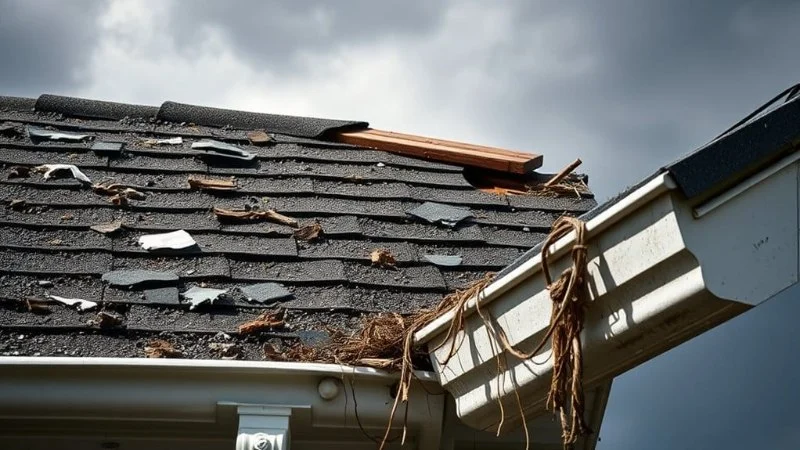
1. Introduction: Why Roofing Problems Matter After a Storm
After a heavy storm season, your roof may have endured significant stress, making it crucial to assess its condition. From high winds to heavy rains, storm damage can be subtle, and roofing problems can lead to costly repairs if left unnoticed. In this guide, we will explore how to identify roofing issues early on, tips for inspecting your roof, and how to handle damage that may require professional attention.
2. Common Roofing Problems Caused by Storms
Storms can wreak havoc on your roof, leaving behind problems that might not be immediately obvious. Here are some of the most common roofing issues that arise after a storm.
2.1 Roof Leaks
One of the most prevalent problems after a storm is roof leaks. Leaks can develop from broken shingles, damaged flashing, or even missing tiles. They may be hard to detect at first, but water stains on your ceiling or walls are a clear indicator of a leak.
2.2 Missing or Damaged Shingles
High winds during storms can cause shingles to tear off or become dislodged. Missing shingles leave your roof vulnerable to further damage and allow water to penetrate your home. If you notice missing or broken shingles, it's essential to address the issue promptly to prevent further leaks.
2.3 Damaged Flashing
Flashing, the metal material around your roof’s edges and chimneys, is designed to keep water from seeping into your home. Storms can loosen or bend the flashing, allowing water to infiltrate and potentially cause extensive damage. Check areas around skylights, chimneys, and vents for compromised flashing.
2.4 Clogged Gutters and Downspouts
Storms often bring debris, such as leaves and twigs, which can clog your gutters and downspouts. Clogged gutters can prevent proper water drainage, leading to water pooling on the roof and causing damage over time. Clean your gutters after a storm to avoid this problem.
2.5 Water Damage and Mold Growth
Persistent leaks can lead to water damage and, in severe cases, mold growth inside your home. If you notice water stains or musty odors, it's essential to inspect your roof and attic for potential leaks or damage that may have occurred during the storm.
3. How to Inspect Your Roof After a Storm
Performing a roof inspection after a storm is critical for spotting potential problems. While some roof issues may require professional attention, there are several steps you can take to check the condition of your roof.
3.1 Visual Inspection
Start by inspecting your roof from the ground. Look for any obvious signs of damage, such as missing shingles, broken tiles, or visible debris. Pay close attention to areas where the roof meets walls or chimneys, as these are common points for leaks to form.
3.2 Check for Leaks
Once inside your home, inspect your ceilings and walls for any signs of water stains, discoloration, or dampness. Leaks may take time to show up, so check areas directly beneath the roof and in the attic.
3.3 Inspect the Flashing and Vents
Look closely at the flashing around chimneys, skylights, and vents. Ensure that they are securely fastened and undamaged. If you notice any areas where the flashing has come loose or bent, it's time to call in a professional.
3.4 Evaluate Gutter Health
Clogged gutters are a common storm-related issue. If you notice leaves, twigs, or other debris blocking your gutters, clean them out immediately. Ensure that the downspouts are clear and directing water away from your home’s foundation.
4. When to Call a Professional Roofing Contractor
While DIY roof inspections are helpful, some problems are best addressed by a professional. Here’s when you should call a contractor:
4.1 Extensive Roof Damage
If your roof has sustained significant damage, such as multiple missing shingles or large holes, it’s important to contact a roofing professional. They can provide a detailed assessment and determine the best course of action for repairs or replacement.
4.2 Structural Damage
If you suspect that your roof has suffered structural damage—such as sagging or severe leaks—don’t attempt to fix it yourself. A professional will have the tools and expertise to safely repair structural issues and prevent further damage to your home.
4.3 Persistent Leaks
If you’ve repaired minor leaks but they keep reappearing, it may be a sign of more serious issues, such as a compromised underlayment or damaged rafters. A professional can locate the root cause of the leak and ensure that it is properly fixed.
5. Preventative Measures to Protect Your Roof After a Storm
While storm damage can be inevitable, there are steps you can take to prevent further harm to your roof:
5.1 Regular Inspections
Schedule routine roof inspections to catch minor issues before they become major problems. Ideally, inspect your roof twice a year—once in the spring and once in the fall—and after any severe storms.
5.2 Install Storm-Proof Features
Consider investing in storm-proof roofing materials, such as impact-resistant shingles and reinforced flashing. These materials can help protect your roof from future storm damage.
5.3 Keep Your Roof Clean
Regularly clear debris from your roof to ensure that it drains properly. This will prevent water from pooling and causing leaks. Trim trees near your roof to reduce the risk of branches causing damage during storms.
6. Conclusion: Protect Your Home from Storm Damage
By knowing how to spot roofing problems after a storm and taking proactive steps to maintain your roof, you can protect your home from water damage and costly repairs. Regular inspections, proper maintenance, and prompt repairs will ensure that your roof remains in top condition throughout storm season. If you notice any issues, don’t hesitate to reach out to a professional contractor to assess the damage and recommend solutions.
 Latham Roofing & Siding4.0 (126 reviews)
 John Brown Roofing And Construction4.0 (43 reviews)
 AAA Hockenberry's Roofing Inc.4.0 (33 reviews)
 Home Evolution Roofing5.0 (46 reviews)
 Home Top Construction & Design4.0 (4 reviews)
 Kjn Restoration LLC5.0 (8 reviews)
 What to Expect During Roof Repair After Storm Damage
 The Best Roofing Materials for Cold Climates: Durable and Weather-Resistant Options
 Roof Repair Steps After Hail: Insurance, Inspection & Replacement | Total Roofing Hub
 The Best Roofing Materials for Cold Climates That Protect Your Home
 The Pros and Cons of Vinyl Siding
 What to Know About Roofing Services Near You: A Comprehensive Guide