
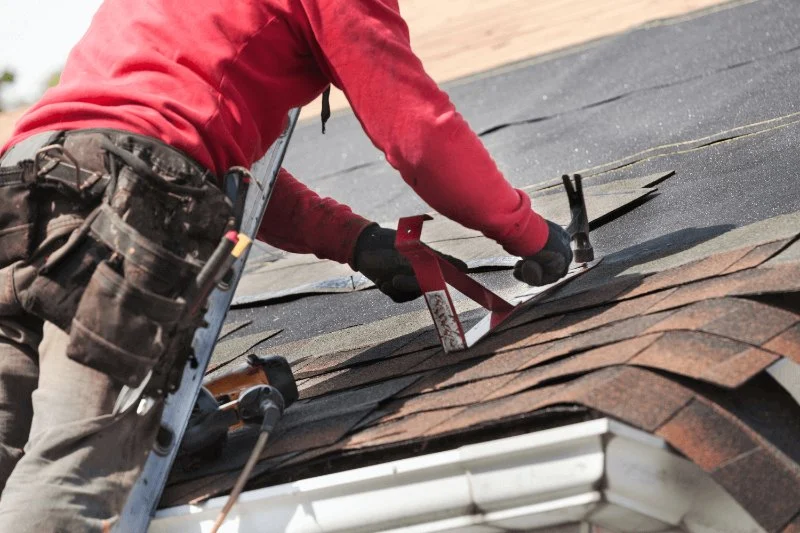
The Complete Guide to Roof Leak Detection and Repair
- 1. Importance of Roof Leak Detection
- 2. Common Signs of Roof Leaks
- 3. How to Detect Roof Leaks
- 4. Steps to Repair Roof Leaks
- 5. Preventing Future Roof Leaks
### 1. Importance of Roof Leak Detection Roof leaks can cause extensive damage to your home if left unaddressed. Water intrusion can lead to mold, wood rot, and structural weakening, which can significantly affect the integrity of your property. By detecting leaks early, you can avoid costly repairs and preserve the safety of your home.
Why Detecting Roof Leaks Early is Critical: Early detection helps prevent widespread water damage and structural decay. It also minimizes the need for expensive roofing replacements. Roof leak detection can be simple if you know the signs to look for, and timely repairs can save you thousands of dollars in the long run.
### 2. Common Signs of Roof Leaks Roof leaks often begin as small issues that may not be immediately noticeable. However, certain signs indicate that a roof leak is either occurring or is imminent:
1. Water Stains on Ceilings or Walls: One of the most obvious signs of a roof leak is discoloration or water stains on ceilings or walls. These stains often appear after a rainfall and may spread over time.
2. Dripping Water: If you hear dripping sounds or notice water collecting in certain areas, this is a clear indication that water is leaking through the roof.
3. Missing or Damaged Shingles: Shingles that are cracked, curled, or missing are a common cause of leaks. Inspect your roof regularly to check for any visible signs of damage.
4. Mold or Mildew Growth: Moisture that enters the home can cause mold or mildew to grow, especially in areas such as attics, crawl spaces, or near the roof. If you notice a musty odor, it may be a sign of water infiltration.
### 3. How to Detect Roof Leaks Detecting roof leaks involves a combination of visual inspection, observation, and sometimes even professional tools. Here’s how you can go about finding leaks:
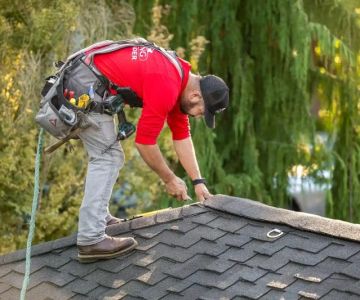
1. Inspect the Roof Exterior: Start by visually inspecting your roof for missing shingles, cracks, and other visible damage. Pay particular attention to roof valleys, chimneys, and areas around vents, skylights, and pipes.
2. Look for Signs of Moisture: Inside the attic or ceiling, check for signs of dampness, mold, or dark stains. These could indicate that water is getting through the roof.
3. Use a Garden Hose: If you can’t find the source of a leak, a garden hose can be a helpful tool. Have someone in the attic or the room under the roof to monitor for leaks while you run water over different sections of the roof.
4. Professional Roof Inspection: If you suspect a leak but can’t locate it, or if the leak is extensive, it may be time to hire a professional roofer to conduct a thorough inspection. They can use advanced tools like infrared cameras to detect hidden leaks.
### 4. Steps to Repair Roof Leaks Once you’ve located the leak, it’s time to make the necessary repairs. Here are the steps to fix roof leaks effectively:
1. Safety First: Before beginning any repair, ensure that you’re using the proper safety equipment, including a sturdy ladder, gloves, and non-slip footwear. If you're not comfortable working on the roof, consider hiring a professional.
2. Temporary Patch: If you can’t repair the leak immediately, you can apply a temporary patch using roofing tape or plastic sheeting to prevent further water damage until you can perform a permanent repair.
3. Seal Cracks and Joints: For small cracks or holes, use roofing sealant or caulking to fill in the gaps. Apply it generously around seams, joints, and flashing.
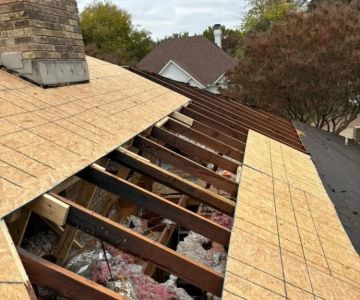
4. Replace Damaged Shingles: If shingles are missing or damaged, replace them with new ones. Make sure to remove any old nails or debris before installing new shingles to ensure a secure fit.
### 5. Preventing Future Roof Leaks Preventing roof leaks is key to prolonging the life of your roof. Here are some proactive steps to take:
1. Regular Roof Inspections: Perform routine inspections at least twice a year to catch any issues early. Pay close attention to areas around flashing, chimneys, and vents, as these are common areas for leaks to develop.
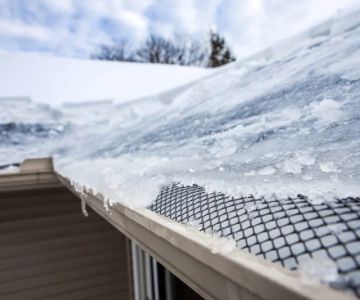
2. Maintain Gutters and Downspouts: Keep your gutters clean and free from debris to ensure that water is flowing away from your roof. Clogged gutters can cause water to pool and seep into the roof structure.
3. Trim Overhanging Branches: Trees with overhanging branches can cause damage to your roof, especially during storms. Trim branches to reduce the risk of roof damage from falling limbs.
4. Ensure Proper Ventilation: Proper attic ventilation helps regulate moisture and temperature in the roof space, preventing condensation buildup that could lead to mold or leaks.
 Vinyl Services, Inc.4.0 (14 reviews)
 Choice Roofing and Construction4.0 (47 reviews)
 Stevan Buren Commercial Roofing Austin5.0 (6 reviews)
 JAF Contracting4.0 (52 reviews)
 i-Con Construction Corp.5.0 (73 reviews)
 Sargon Roofing & Restoration4.0 (82 reviews)
 The Pros and Cons of Vinyl Siding
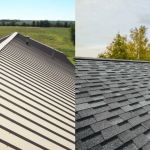 Comparative Cost: Standing Seam Metal Roof vs Shingles Over 20 Years
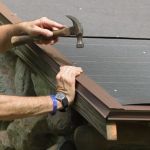 Best Roof Edge Drip Edge Options & Why They Matter
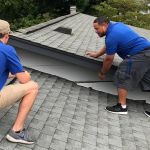 What to Expect During a Roof Inspection and How to Prepare
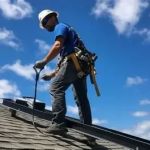 How to Budget for a Roof Replacement Project: Step-by-Step Guide for Homeowners
 The Complete Guide to Metal Roofing Systems: Benefits, Types, and Installation