
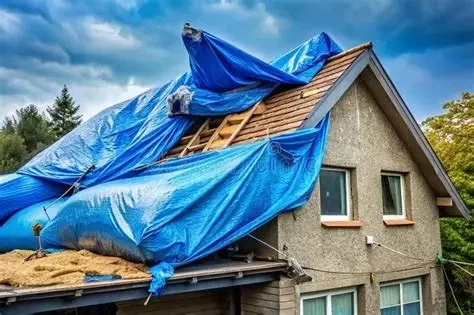
- why-severe-weather-damages-roofs - understanding-weather-threats
- common-types-of-roof-weather-damage - wind-hail-and-heavy-rain
- preparing-your-roof-before-storm-season - preventive-maintenance
- materials-and-upgrades-for-better-protection - stronger-roofing-options
- real-homeowner-story-roof-damage - lessons-from-storm-damage
- long-term-roof-protection-strategies - keeping-your-roof-strong
Why Severe Weather Damages Roofs
Severe weather events are becoming increasingly common across many parts of the United States. From powerful thunderstorms and hurricanes to hailstorms and heavy snow, these conditions can cause significant damage to residential roofs. Since the roof is the first line of defense protecting your home, understanding how severe weather affects it is essential for homeowners.
1. Wind Pressure and Structural Stress
Strong winds can lift shingles, loosen flashing, and even tear sections of roofing material away from the structure. When wind flows across the roof surface, pressure differences can cause shingles to curl or detach.
2. Impact from Hail and Debris
Hailstorms often cause sudden and severe roof damage. Large hailstones can crack shingles, dent metal roofing panels, and weaken protective layers. Flying debris such as branches during storms can also puncture roofing materials.
Common Types of Roof Weather Damage
Different types of severe weather create different problems for roofing systems. Recognizing these issues early can prevent expensive repairs later.
1. Shingle Damage
High winds and hail frequently loosen or break shingles. Missing shingles expose the underlying roof deck, allowing water to seep inside.
2. Water Infiltration
Heavy rain combined with damaged roofing materials can allow water to penetrate small openings. Over time, this moisture can lead to mold growth and structural issues.
3. Gutter and Flashing Failures
Storms often damage gutters and flashing around chimneys or vents. These components are essential for directing water away from the roof and preventing leaks.
Preparing Your Roof Before Storm Season
One of the most effective ways to protect your roof from severe weather impact is preventative maintenance. Small inspections and improvements can make a significant difference.
1. Perform Regular Roof Inspections
Checking your roof twice a year helps identify loose shingles, cracked flashing, or blocked gutters before they turn into major issues.
2. Trim Nearby Trees
Branches hanging over your roof can break during storms and cause serious damage. Keeping trees trimmed reduces the risk of falling limbs.
3. Clean Gutters and Drainage Systems
Clogged gutters prevent proper water flow. During heavy rainfall, blocked gutters can cause water to pool and leak into roofing materials.
Materials and Upgrades for Better Protection
Modern roofing materials are designed to withstand extreme weather conditions more effectively than traditional systems.
1. Impact-Resistant Shingles
These shingles are designed to absorb impact from hail and debris without cracking. Many homeowners in storm-prone regions choose these materials for additional protection.
2. Reinforced Roofing Underlayment
A strong underlayment layer adds an extra barrier against water intrusion. This protective layer prevents moisture from entering even if shingles become damaged.
3. Proper Roof Ventilation
Ventilation improves airflow and reduces moisture buildup, which can weaken roofing structures over time.
Real Homeowner Story Roof Damage
A homeowner in Oklahoma once shared how a severe hailstorm caused unexpected roof damage overnight. Although the roof looked fine from the ground, a professional inspection later revealed multiple cracked shingles and hidden leaks.
1. Early Inspection Prevented Bigger Damage
Because the issue was discovered early, repairs were completed quickly before water damage affected the home’s interior.
2. Learning the Importance of Prevention
The homeowner later invested in impact-resistant shingles and regular inspections to prevent similar problems in the future.
Long Term Roof Protection Strategies
Protecting your roof from severe weather requires ongoing attention rather than a one-time solution.
1. Schedule Professional Inspections
Professional roof inspections can identify structural weaknesses that homeowners may overlook.
2. Invest in Quality Roofing Materials
High-quality roofing materials often cost more initially but provide greater durability during storms.
3. Stay Prepared for Seasonal Weather
Preparing your roof before hurricane season, winter storms, or hail season can significantly reduce the risk of damage.
For homeowners looking to strengthen their roof against severe weather conditions, exploring reliable materials, maintenance solutions, and expert guidance through Total Roofing Hub can help ensure your roofing system stays durable and secure year-round.

 LaBrusciano Roofing & Exteriors4.0 (91 reviews)
 Agape Home Improvement Inc.4.0 (21 reviews)
 Built To Last Roofing - Austin5.0 (28 reviews)
 C&D Contractors5.0 (5 reviews)
 Peak Performance Roofing LLC4.0 (99 reviews)
 Rebel Roofer - Roof Replacements & Repairs5.0 (24 reviews)
 What to Expect During a Roof Inspection: A Comprehensive Guide
 The Average Lifespan of Asphalt Shingle Roofs – How Long Do They Last?
 How to Protect Your Roof from Heavy Snow
 Roof Repair After Fire Damage: What’s Involved
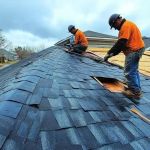 How to Budget for a Roof Replacement Project: A Step-by-Step Guide
 Siding Material Maintenance in Maple Wood, Cedar or Composite: Tips for Long-Lasting Protection