
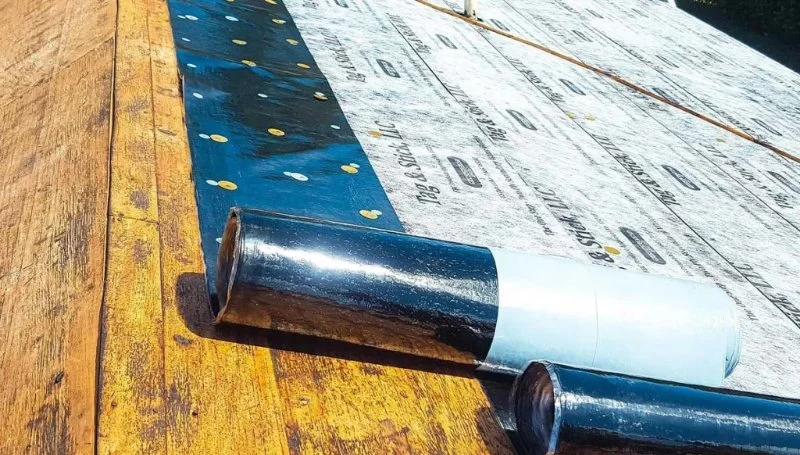
- 1. The Role of Roof Underlayment in Roof Protection
- 2. Types of Roof Underlayment
- 3. How Roof Underlayment Prevents Water Intrusion
- 4. How to Choose the Right Roof Underlayment
- 5. Real-World Examples of Underlayment Effectiveness
1. The Role of Roof Underlayment in Roof Protection
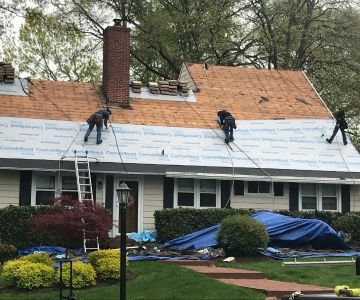
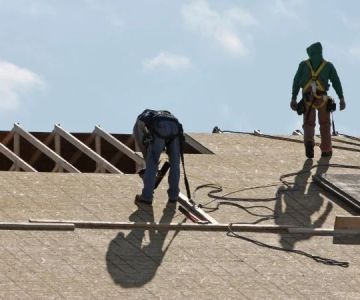
Roof underlayment is an essential layer of protection placed between the roof deck and the outer roofing materials. Often overlooked, this thin but highly important layer plays a vital role in ensuring the longevity of your roof by providing an additional barrier against elements such as rain, snow, and ice. Roof underlayment serves as the first line of defense against water intrusion, which can cause severe damage to the structure of your home.
Without a proper underlayment, water can penetrate the outer roofing materials, leading to mold growth, wood rot, and even compromising the integrity of your home’s foundation. This makes roof underlayment a crucial component for every roofing system, regardless of the type of roof you have.

2. Types of Roof Underlayment
There are several types of roof underlayment available, each offering different levels of protection and performance. Here’s a breakdown of the most common types:
- Felt Underlayment: Felt is the traditional roofing underlayment material, often made from fiberglass or organic materials, and is saturated with asphalt to provide waterproofing. It is affordable and widely used but can wear down more quickly than synthetic options.
- Synthetic Underlayment: Made from polyethylene or polypropylene, synthetic underlayment is more durable and resistant to moisture than felt. It is lightweight, easy to install, and offers enhanced protection against water and UV rays.
- Rubberized Underlayment: This underlayment features a sticky, adhesive surface that bonds to the roof deck, preventing water infiltration even in the event of loose shingles. It is ideal for areas with heavy rainfall or ice dams.
- Peel-and-Stick Underlayment: Peel-and-stick underlayment is another adhesive-backed option, providing superior protection against water intrusion. It’s often used in areas vulnerable to leaks, such as valleys and eaves.
3. How Roof Underlayment Prevents Water Intrusion
The primary function of roof underlayment is to create a waterproof barrier that prevents water from seeping into the roof deck. Here’s how it works:
- Waterproof Barrier: Underlayment forms an extra layer that helps prevent water from infiltrating the roof deck, especially during storms, heavy rain, or melting snow.
- Protection from Wind-Driven Rain: Underlayment acts as a secondary defense against wind-driven rain, which can sometimes slip beneath shingles. It prevents water from reaching the roof deck even if the outer layer becomes compromised.
- Ice Dam Protection: In areas with cold climates, underlayment can protect against ice dams, which occur when ice forms at the roof edge and forces water to back up under the shingles.
- Moisture Control: Roof underlayment helps control moisture levels, especially in areas prone to humidity or damp conditions, reducing the risk of mold and mildew buildup within the structure.
4. How to Choose the Right Roof Underlayment
Choosing the right underlayment depends on several factors, including the climate in your region, the type of roof you have, and your budget. Consider the following when selecting underlayment for your roof:
- Climate: For areas with heavy rainfall or snow, synthetic or rubberized underlayment is a great choice due to its superior waterproofing capabilities.
- Roof Type: If you have a steep-slope roof, felt underlayment may be sufficient. However, for low-slope roofs, a stronger, more durable option such as synthetic or peel-and-stick underlayment is recommended.
- Budget: Felt underlayment is a cost-effective option, but if you’re looking for long-term durability and superior protection, investing in synthetic or rubberized options will pay off in the long run.
5. Real-World Examples of Underlayment Effectiveness
In real-world scenarios, the effectiveness of roof underlayment becomes evident during extreme weather events. Take, for example, a home in a region prone to heavy rains and hurricanes. Homes with high-quality synthetic underlayment often experience fewer issues with leaks, while those without proper underlayment can suffer from water damage during storms.
Additionally, in areas where ice dams are common, homes with rubberized or peel-and-stick underlayment are much less likely to experience water intrusion, as these materials prevent ice and water from backing up under shingles. Proper underlayment can significantly extend the lifespan of a roof and reduce the likelihood of costly repairs due to water damage.
 RESCUE ROOFER Laguna Beach5.0 (3 reviews)
 American Eagle Exteriors4.0 (54 reviews)
 Atlantic Coast Consultants5.0 (7 reviews)
 Jack General Services Inc.4.0 (70 reviews)
 Oakwood Roofing5.0 (1 reviews)
 Kalkreuth Roofing & Sheet Metal Inc.3.0 (4 reviews)
 How to Choose the Best Roofing Underlayment Based on Climate
 How to Match Roof Shingles with Your Siding Color: Expert Tips" is optimized for clarity and relevance to the article’s content, incorporating the main keyword.
 How Roof & Window Flashing Work Together to Prevent Leaks
 The Environmental Benefits of a Cool Roof: How It Can Help the Planet
 Cedar vs Engineered Wood Siding: Which One Is More Durable? | Total Roofing Hub
 What’s the Best Time of Year to Replace Your Roof?