
- Roof Damage Warning Signs-Understanding early indicators of structural roof problems
- Shingle & Surface Issues-How visible exterior changes reveal deeper damage
- Leak Patterns & Interior Clues-What water stains and humidity changes really mean
- Seasonal Stress Factors-How weather accelerates roof failure risks
- Maintenance Strategy & Prevention-Steps to extend roof lifespan and reduce repair costs
Understanding How Roof Systems Begin to Fail Before It Becomes Visible
A roof rarely fails overnight. In most cases, there are subtle signals long before a serious breakdown happens. The challenge is that many homeowners only notice problems when water starts dripping from the ceiling or when mold appears inside the attic.
Early-stage roof failure often begins at the smallest structural weak points—loose flashing, aging shingles, or poorly sealed joints. Over time, these minor issues expand due to weather exposure and temperature changes. Recognizing these patterns early is the key to avoiding expensive repairs.
Professional roof inspectors often describe roof degradation as a “chain reaction.” One weak point leads to moisture intrusion, which then damages insulation, wood framing, and eventually the entire roofing system.
Surface-Level Roof Failure Signs Most Homeowners Miss
1. Shingle Behavior That Signals Deeper Problems
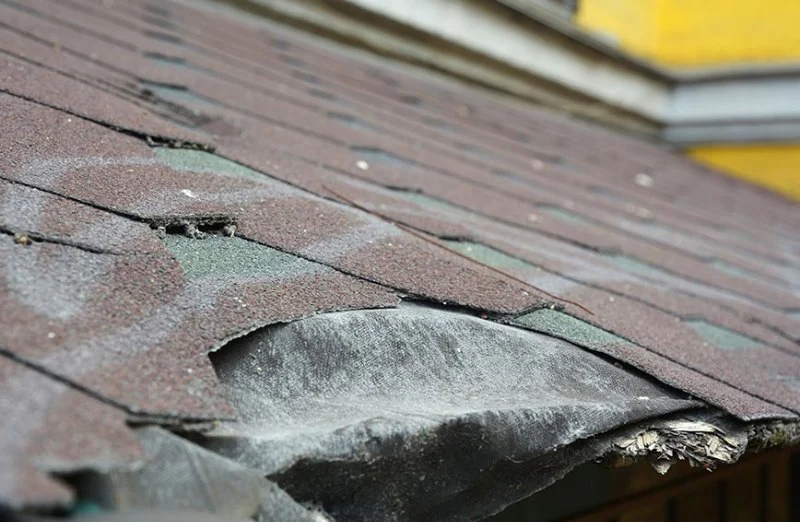
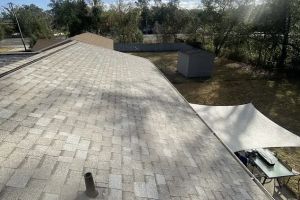
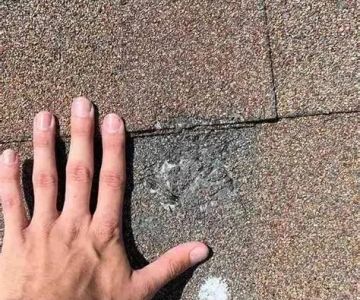
One of the clearest early roof failure signs comes from shingles. When shingles begin curling, cracking, or losing granules, it usually indicates aging or heat stress. In hot U.S. climates, UV exposure accelerates this deterioration significantly.
A homeowner in Arizona once noticed small “bald patches” on their roof shingles. At first, it seemed cosmetic. Months later, a storm revealed underlying water intrusion that had already spread into attic insulation. Early detection could have saved thousands in structural repairs.
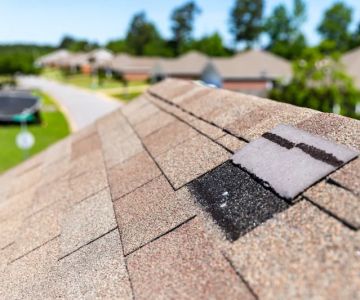
If shingles appear uneven, brittle, or missing in sections, it’s often a sign that the roof’s protective layer is breaking down and needs immediate attention.

SMH Construction LLC
ShamokinNorthumberland CountyPennsylvania
30 S Market St, Shamokin, PA 17872, USA
2. Flashing and Edge Weakness Around Roof Structures
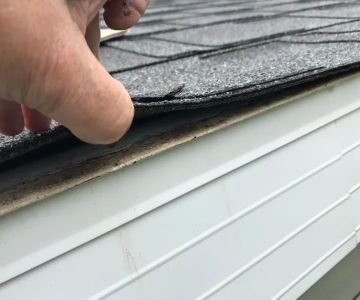
Flashing is the thin metal material installed around chimneys, skylights, and roof edges. When flashing loosens or corrodes, water finds its way inside very quickly.
Even small gaps can lead to significant hidden damage. Many roof leaks originate not from the center of the roof, but from these edge connections where different materials meet.
This type of damage is especially common in older homes where sealants have dried out or contracted due to seasonal temperature changes.
Interior Warning Signs That Point to Roof Failure
3. Water Stains and Ceiling Discoloration Patterns
One of the most overlooked indicators of early roof failure is interior discoloration. Yellowish or brown ceiling stains often suggest slow water penetration over time rather than sudden leakage.
The direction and shape of the stain can also help identify the source. Circular stains usually indicate a direct leak point, while spread-out stains suggest long-term seepage.
Homeowners often misdiagnose these signs as plumbing issues, but in many cases, the problem originates from the roof system above.
4. Attic Moisture and Insulation Changes
A properly functioning roof keeps moisture out of the attic space. When insulation begins to feel damp or compressed, it’s often a strong indicator of hidden roof damage.
Excess humidity in the attic can also lead to mold growth, which further weakens structural wood components and reduces indoor air quality.
Roofing specialists recommend checking attic conditions after heavy rainfall, especially in older properties where ventilation may not be optimal.
Environmental Stress and How Weather Accelerates Roof Damage
5. Seasonal Expansion and Contraction Effects
Temperature fluctuations cause roofing materials to expand and contract repeatedly. Over time, this movement weakens joints, loosens nails, and creates micro-cracks.
In colder regions, freeze-thaw cycles are particularly damaging. Water enters small cracks, freezes, expands, and widens the damage path. This process repeats until visible roof failure occurs.
In warmer states, prolonged sun exposure dries out roofing materials, making them brittle and more susceptible to breakage during storms.
6. Storm Impact and Wind-Driven Damage
High winds can lift shingles slightly without completely removing them. This creates hidden vulnerabilities that may not be visible from the ground.
After a major storm event, even if the roof appears intact, small structural shifts may have already occurred. These subtle damages often evolve into leaks months later.
Regular post-storm inspections are one of the most effective prevention strategies for long-term roof health.
Case Study: When Early Roof Warning Signs Were Ignored
A homeowner in the Midwest noticed minor shingle discoloration and occasional attic humidity. Because no active leaks were visible, the issue was postponed.
Over the next year, seasonal storms worsened the condition. Eventually, a full roof inspection revealed widespread underlayment damage and rotting wood sections. The repair cost increased nearly five times compared to what early intervention would have required.
This case highlights a common mistake: waiting for visible leaks instead of responding to early roof failure signs.
Experts at Total Roofing Hub emphasize that most major roofing expenses can be avoided if warning signs are addressed early. Preventive inspections are significantly more cost-effective than structural replacements.
Preventive Maintenance Strategies That Extend Roof Lifespan
7. Routine Inspection and Seasonal Roof Care
One of the simplest yet most effective methods to prevent roof failure is scheduled inspection. Checking your roof twice a year—especially before winter and after storm season—helps identify small issues before they escalate.
Look for uneven surfaces, clogged gutters, and loose materials. Even minor debris buildup can trap moisture and accelerate deterioration.
8. Proper Ventilation and Moisture Control
Roof longevity is closely linked to airflow. Without proper ventilation, heat and moisture accumulate in the attic, weakening structural materials over time.
Balanced airflow helps regulate temperature and reduces condensation buildup, which is a leading cause of hidden roof decay.
9. Timely Repairs Instead of Delayed Action
Small repairs are significantly more cost-effective than full replacements. Replacing a few shingles or resealing flashing early can prevent widespread structural damage.
Delaying repairs often allows water to spread into insulation and framing, increasing restoration complexity and cost.
Why Early Roof Failure Detection Matters for Homeowners
Understanding early roof failure signs is not just about protecting your property—it also protects long-term financial stability. Roof systems are among the most expensive components of a home, and neglect can quickly turn minor issues into major investments.
By paying attention to subtle changes—both inside and outside the home—homeowners can significantly extend the life of their roofing system.
For those looking to explore professional inspection tools, maintenance services, or roofing solutions, Total Roofing Hub offers resources that help homeowners make informed decisions before problems escalate.
 Hilltop Renovations of Westchester4.0 (29 reviews)
 Olympia Construction4.0 (107 reviews)
 Painting Plus5.0 (42 reviews)
 Action Exteriors Austin5.0 (16 reviews)
 Santa Clarita Home Painting0.0 (0 reviews)
 Top Guard Roofing & Construction5.0 (36 reviews)
 How to Match Roof Shingles with Your Siding Color for a Perfect Home Exterior
 Pros & Cons of Synthetic Slate or Rubber Roofing
 Best Ways to Inspect Your Siding After Summer Storms
 How to Inspect Your Roof & Siding Safely from the Ground | Pro Found Roofing
 How to Match Roof Shingles with Your Siding Color
 Siding Patterns & Layout Trends That Resonate with Buyers