
Roof Flashing and Why It Matters More Than Most Homeowners Realize
- roof-flashing-basics - understanding how metal sealing protects roof joints and prevents hidden leaks
- repair-decision-points - when replacement becomes more important than patching
- water-intrusion-risk - how small failures turn into expensive structural damage
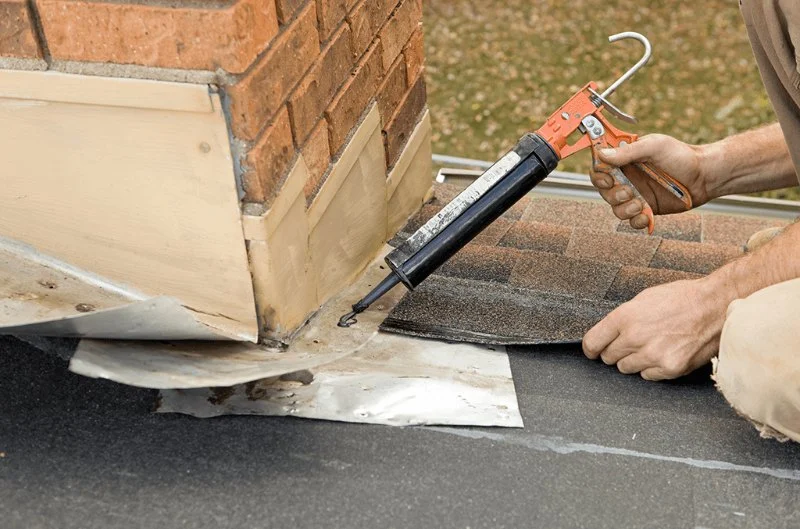
Roof repairs often focus on shingles, but experienced contractors consistently point out that flashing is where many long-term problems actually begin. Flashing is the thin metal material installed around roof transitions—chimneys, vents, skylights, valleys, and wall intersections. Its job is simple in theory but critical in practice: redirect water away from vulnerable seams.
When flashing begins to fail, water doesn’t always drip immediately into living spaces. Instead, it seeps slowly into underlayment layers, insulation, and framing. By the time stains appear on ceilings, the damage is often already extensive. That is why understanding the role of flashing during roof repair is essential for any homeowner planning maintenance or restoration work.
In many real-world inspections, especially after storms, roofing professionals often find that shingles still look acceptable while flashing has corroded, loosened, or separated entirely. This mismatch is one of the most common causes of hidden roof leaks in residential homes.

Portland Glass of Littleton
LittletonGrafton CountyNew Hampshire
678 Meadow St Ste C, Littleton, NH 03561, USA
How Roof Flashing Fails Over Time and What Homeowners Miss
- weather-exposure-effects - how rain, UV rays, and temperature changes degrade metal seals
- installation-weak-points - common mistakes made during initial roofing work
- storm-damage-signs - identifying subtle indicators after heavy wind or hail
Flashing failure rarely happens overnight. It is typically a gradual process influenced by weather cycles and installation quality. In colder climates, expansion and contraction can loosen fasteners. In humid or coastal areas, corrosion becomes a dominant factor.
A real-world example comes from a homeowner in the Midwest who noticed recurring ceiling stains every spring. Multiple patch repairs were done on shingles, but the issue returned. Eventually, an inspection revealed that the chimney flashing had separated from the masonry due to long-term thermal movement. Once replaced properly, the leak disappeared permanently.
This type of situation is more common than most people expect. The challenge is that flashing damage often hides beneath shingles or siding, making it difficult to detect without a trained eye.
Top Roofing Contractor
Pico RiveraLos Angeles CountyCalifornia
6505 Rosemead Blvd, Pico Rivera, CA 90660, USA
What to Know About Replacing Roof Flashing During Repairs
- replacement-timing - when flashing must be fully replaced instead of repaired
- material-selection - choosing aluminum, galvanized steel, or copper options
- integration-process - how flashing connects with shingles and underlayment systems
When addressing roof leaks, contractors evaluate whether flashing can be sealed or must be replaced entirely. If corrosion, bending, or detachment is present, replacement is usually the only reliable solution. Temporary sealing may stop leaks briefly, but it does not restore structural integrity.
Material selection is another important factor. Aluminum flashing is lightweight and cost-effective, while galvanized steel offers strength and durability. Copper flashing, though more expensive, provides long-term performance and is often used in premium roofing systems. The choice depends on budget, roof design, and environmental exposure.
Proper integration during installation is what determines long-term success. Flashing must overlap shingles in a precise layered pattern so water flows naturally downward without entering seams. Even minor installation errors can create weak points that later become leak sources.
For homeowners looking to understand repair options more deeply or connect with roofing specialists, Total Roofing Hub is a helpful resource for exploring professional repair solutions and maintenance guidance tailored to different roof systems.
Step-by-Step Approach Used by Roofing Professionals
- inspection-phase - identifying hidden moisture paths and structural wear
- removal-process - safely detaching damaged flashing without harming shingles
- installation-standards - ensuring proper sealing and water redirection
Professional roofers begin with a detailed inspection, often using moisture detection tools or attic checks to trace leak origins. This step is crucial because visible damage rarely shows the full picture.
Once compromised flashing is identified, removal must be done carefully to avoid disturbing surrounding roofing materials. In many older homes, flashing is layered beneath shingles that have become brittle over time, requiring precision handling.
Installation of new flashing involves aligning metal sections with roof slopes and sealing all edges with roofing-grade adhesives or fasteners. The goal is to create a continuous water-shedding system rather than isolated patches.
Common Mistakes That Lead to Repeat Roof Leaks
- over-sealing-errors - when excessive sealant traps moisture instead of redirecting it
- material-mismatch - using incompatible metals that corrode faster together
- improper-overlap - incorrect layering between shingles and flashing components
One of the most overlooked mistakes is over-sealing. While it may seem logical to apply extra sealant, too much can trap water instead of guiding it away. This leads to hidden moisture pockets that worsen over time.
Another issue occurs when different metals are combined without consideration of galvanic corrosion. For example, certain combinations of aluminum and copper can accelerate deterioration when they come into contact in wet conditions.
Improper overlap is also a frequent problem in rushed repairs. If flashing is not extended far enough beneath shingles, wind-driven rain can bypass the protective barrier and enter the roof deck.
Real Case Insight: A Preventable Leak That Became a Major Repair
- case-overview - suburban home experiencing recurring attic moisture
- diagnosis-process - identifying flashing separation behind siding
- repair-outcome - full flashing replacement restoring roof integrity
A homeowner in a coastal area repeatedly dealt with attic dampness despite multiple shingle repairs. After a full inspection, technicians discovered that wall flashing had deteriorated due to salt air exposure. The shingles were intact, which initially misled earlier repair attempts.
Once the flashing was replaced and properly integrated with waterproof barriers, the issue was fully resolved. The homeowner later noted improved insulation performance and reduced humidity inside the home.
This case highlights how critical flashing is in overall roofing performance and how addressing it early can prevent long-term structural damage.
Maintenance Habits That Extend Roof Lifespan
- seasonal-checks - inspecting flashing before and after extreme weather
- drainage-awareness - keeping gutters clear to reduce water pressure on edges
- preventive-repairs - addressing small corrosion spots before expansion occurs
Routine maintenance plays a major role in preventing flashing failure. Seasonal inspections help identify early signs of rust, lifting edges, or sealant breakdown. These small indicators often appear long before leaks begin.
Keeping drainage systems clear is equally important. When gutters overflow, water can back up toward flashing points, increasing pressure and accelerating deterioration. Preventive maintenance helps avoid this cycle entirely.
Small repairs done early are significantly more cost-effective than full replacements. Addressing minor corrosion or resealing edges can extend roof lifespan by several years.
Why Proper Flashing Replacement Protects Long-Term Home Value
- structural-protection - preventing hidden rot and insulation damage
- energy-efficiency - reducing air leaks caused by moisture intrusion
- property-value-impact - maintaining roof integrity during inspections
A well-maintained roof directly influences a home’s market value. Buyers and inspectors often prioritize roofing condition, and flashing integrity is a key part of that evaluation.
When flashing is properly replaced during repairs, it not only prevents leaks but also supports energy efficiency by maintaining insulation performance. Moisture intrusion can degrade insulation materials, leading to higher energy costs over time.
For homeowners planning future maintenance or upgrades, accessing trusted roofing resources like Total Roofing Hub can provide valuable guidance on materials, repair planning, and professional service options tailored to specific roofing systems.


 Panama City Roofing Contractors4.0 (14 reviews)
 Brazos Valley Roofing4.0 (58 reviews)
 Skyeco Group LLC4.0 (8 reviews)
 Upstanding Roofing5.0 (42 reviews)
 Fisher's Roofing & Siding5.0 (1 reviews)
 Hi-Up Roofing (Commercial and Residential Roofing)4.0 (16 reviews)
 Should I Repair or Replace My Roof? A Homeowner’s Guide
 Why Professional Roof Repairs Last Longer Than DIY Fixes
 Top 10 Signs Your Roof Needs Immediate Repair – Expert Roofing Tips
 How to Tell If Your Roof Was Installed Incorrectly and How to Fix It
 The Average Lifespan of Asphalt Shingle Roofs
 How to Maintain Your Siding Year Round - Essential Tips and Solutions