
- 1. Understanding Siding Durability
- 2. Factors Affecting Siding Replacement Timeline
- 3. Signs That You Need to Replace Your Siding
- 4. Different Siding Materials and Their Lifespan
- 5. Maintaining Your Siding to Extend Its Lifespan
- 6. How to Choose a Reliable Siding Contractor
1. Understanding Siding Durability
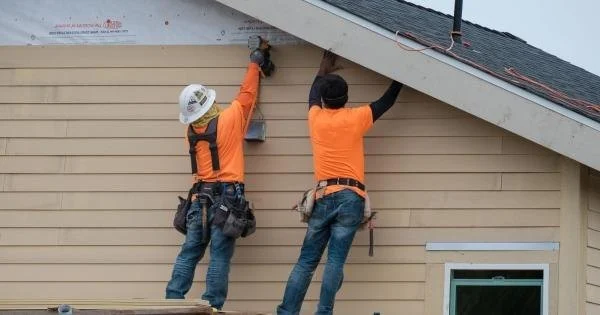
Your home’s siding plays a crucial role in protecting it from the elements, enhancing curb appeal, and improving energy efficiency. However, like all materials, siding doesn’t last forever. Understanding the durability of your siding is essential in knowing when it’s time for a replacement.
Different siding materials offer varying levels of longevity and resistance to weather, pests, and wear. Some may last 20 years or more, while others may need to be replaced sooner. By knowing what to expect from your siding material, you can make informed decisions about maintenance and replacement timelines.
Medlin Renovation and Repair LLC
WestminsterOconee CountySouth Carolina
204 Retreat St, Westminster, SC 29693, USA
2. Factors Affecting Siding Replacement Timeline
Several factors influence how often you should replace your siding. These factors include the material used, the local climate, and the level of maintenance the siding has received over the years.
Climate plays a big role in siding durability. Homes in areas with extreme weather conditions, such as heavy rain, snow, or high winds, may require more frequent siding replacements. Additionally, sun exposure and temperature fluctuations can cause materials like vinyl to warp or fade faster.
Other contributing factors include the quality of installation and whether the siding has been regularly maintained. Homes with poorly installed or neglected siding may need earlier replacements than homes that have received regular upkeep.
Braselton Gutter Repair and Replacement Pros
BraseltonJackson CountyGeorgia
1024 Glenwyck Dr, Braselton, GA 30517, USA
3. Signs That You Need to Replace Your Siding
While siding can last for many years, there are clear signs that indicate it may need to be replaced. These include:
- Cracks, warping, or swelling in the siding material
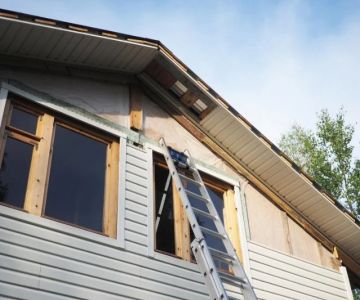
- Visible holes or gaps that let moisture in
- Peeling or fading paint, particularly with wood or painted siding
- Excessive mold or mildew buildup on the siding
- Higher energy bills due to insulation loss
If you notice any of these issues, it's important to address them promptly, as damaged siding can compromise your home's structural integrity and lead to more costly repairs down the line.
4. Different Siding Materials and Their Lifespan
The lifespan of your siding depends largely on the material. Here are the expected lifespans of some of the most common siding materials:
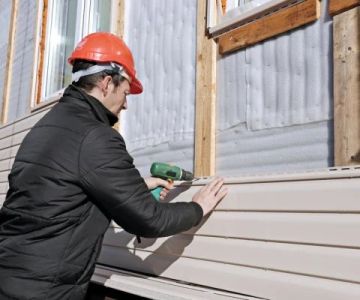
- Vinyl Siding: Typically lasts between 20-40 years, depending on the quality and maintenance.
- Wood Siding: Can last 20-30 years but requires regular maintenance like painting or sealing to prevent rot.
- Fiber Cement Siding: Known for its durability, it can last 30-50 years with minimal maintenance.
- Stucco Siding: Can last over 50 years if properly maintained and is resistant to rot, though it may crack in extreme conditions.
Choosing the right siding material for your home depends on your budget, climate, and the level of maintenance you’re willing to commit to.
5. Maintaining Your Siding to Extend Its Lifespan
Proper maintenance can significantly extend the lifespan of your siding, delaying the need for replacement. Regular cleaning to remove dirt, debris, and mold is crucial for keeping your siding in good condition. For materials like wood or vinyl, a fresh coat of paint or protective sealant every few years will prevent weather damage.
In addition to cleaning, inspect your siding regularly for any signs of damage, such as cracks, holes, or warping. Promptly addressing minor issues can prevent them from developing into major problems that require a full replacement.
6. How to Choose a Reliable Siding Contractor
When it’s time to replace your siding, hiring a reliable contractor is essential to ensure the job is done right. Look for contractors with experience, positive reviews, and proper licensing and insurance. It’s a good idea to get quotes from multiple contractors to compare prices and services.
Once you’ve selected a contractor, ensure they use high-quality materials and offer a warranty on both the materials and their workmanship. This provides peace of mind knowing that if issues arise, the contractor will stand behind their work.
If you need assistance in finding a trustworthy contractor for your siding replacement, visit Total Roofing Hub. Our platform connects you with experienced professionals who can help you make the best choice for your home’s exterior needs.

 Skyline Designs Roofing5.0 (99 reviews)
 Perfect Roofing Installations4.0 (60 reviews)
 Dog Tags Construction LLC4.0 (16 reviews)
 Gutter Shutter of Central Maryland5.0 (9 reviews)
 Sam Cline Handyman Services4.0 (37 reviews)
 Paramount Builders Inc.4.0 (302 reviews)
 Should I Repair or Replace My Roof?
 Top 10 Signs Your Roof Needs Immediate Repair Before It’s Too Late
 The Pros and Cons of Vinyl Siding: Is It the Right Choice for Your Home?
 How to Choose a Reliable Roofing Contractor Near You – Expert Tips
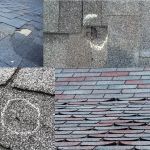 Top 10 Signs Your Roof Needs Immediate Repair You Shouldn’t Ignore
 How to Spot Hail Damage on Your Roof | Quick Guide for Homeowners