- - What Every Homeowner Should Know About Roof Aging - Understanding Roof Lifespan and Material Differences
- - What Every Homeowner Should Know About Roof Aging - Common Signs of Roof Deterioration
- - What Every Homeowner Should Know About Roof Aging - Preventive Maintenance Practices
- - What Every Homeowner Should Know About Roof Aging - Environmental and Weather Impacts on Aging
- - What Every Homeowner Should Know About Roof Aging - Case Studies of Roof Aging and Repair
- - What Every Homeowner Should Know About Roof Aging - Professional Inspection and Assessment Tips
- - What Every Homeowner Should Know About Roof Aging - Roof Replacement Planning and Cost Considerations
- - What Every Homeowner Should Know About Roof Aging - Tools and Resources for Homeowners
What Every Homeowner Should Know About Roof Aging - Understanding Roof Lifespan and Material Differences
Roof aging is a natural process influenced by the materials used, environmental exposure, and maintenance practices. Understanding the expected lifespan of your roof is crucial for proactive care and budgeting. For instance, asphalt shingles typically last 20–30 years, whereas metal roofs can endure 40–70 years if properly maintained.
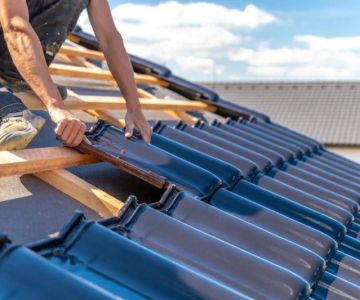
Different roofing materials age at varying rates. Wood shingles may warp or split in extreme weather, while clay or concrete tiles are more resistant but may experience surface cracking. Recognizing these differences allows homeowners to plan inspections and preventative measures effectively.
Advance Inc - Roofing Windows Siding Doors & Decks
NewarkNew Castle CountyDelaware
645 Dawson Dr, Newark, DE 19713, USA
What Every Homeowner Should Know About Roof Aging - Common Signs of Roof Deterioration
Shingle wear and granule loss
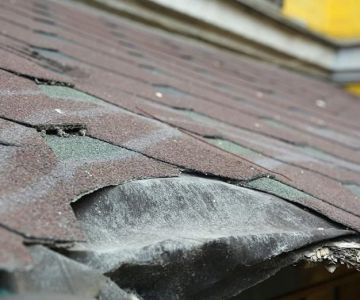
One of the earliest signs of roof aging is the loss of granules on asphalt shingles. Granules protect shingles from UV damage and contribute to water resistance. Check gutters for excessive granule accumulation, which can indicate significant aging.
Cracking, curling, or buckling
Shingles may start to crack or curl as they age. Curling occurs when shingles lose flexibility, while cracking indicates brittleness. These defects reduce water protection and can lead to leaks.
Water damage and leaks
Stains on ceilings, damp spots, or mold growth can signal roof deterioration. Detecting these issues early can prevent costly structural damage.
Flashing and sealant failure
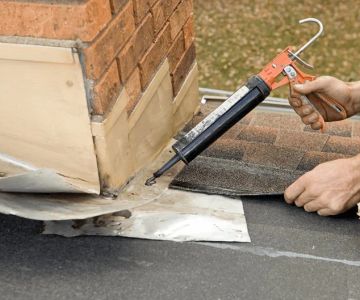
Roof components like flashing around chimneys, vents, and skylights age differently than shingles. Damaged flashing or failed sealants allow water intrusion, often unnoticed until significant damage occurs.
What Every Homeowner Should Know About Roof Aging - Preventive Maintenance Practices
Regular inspections
Schedule roof inspections at least twice a year and after severe storms. Look for damaged shingles, sagging areas, clogged gutters, or moss and algae buildup. Early detection can prevent extensive damage.
Cleaning and debris removal
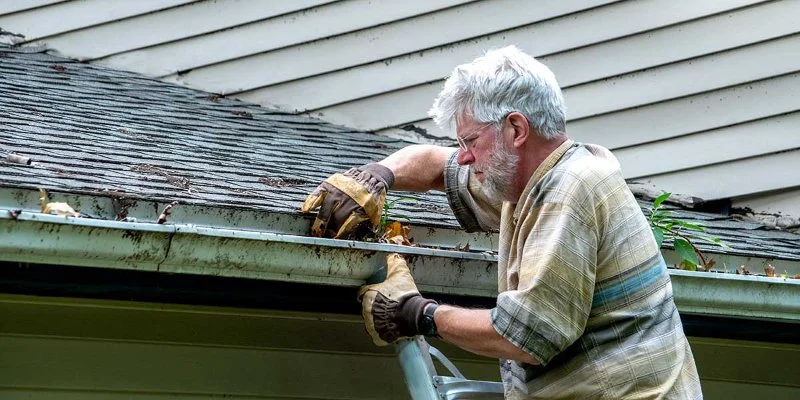
Remove leaves, branches, and dirt from the roof and gutters. Debris can trap moisture and accelerate shingle deterioration. Use proper tools or hire professionals to avoid injury and further damage.
Repairing minor damage promptly
Small cracks or loose shingles can escalate into larger problems. Prompt repair reduces water intrusion risks and prolongs roof lifespan.
What Every Homeowner Should Know About Roof Aging - Environmental and Weather Impacts on Aging
Sun and UV exposure
UV rays degrade roofing materials over time, leading to fading, brittleness, and granule loss. Installing UV-resistant shingles or coatings can mitigate damage and extend longevity.
Wind and hail damage
High winds can lift shingles, while hail can cause surface fractures. Inspecting the roof after storms ensures minor damage does not progress unnoticed.
Temperature fluctuations
Expansion and contraction from daily temperature changes stress roofing materials, particularly in regions with significant seasonal variation. Proper attic ventilation helps moderate temperature extremes.
What Every Homeowner Should Know About Roof Aging - Case Studies of Roof Aging and Repair
Case study 1: Asphalt shingle roof aging
A homeowner in the Midwest noticed curling shingles and minor leaks after 18 years. By inspecting the roof and replacing the most damaged shingles while resealing flashings, the roof continued to perform for another decade, highlighting the value of timely maintenance.
Case study 2: Metal roof longevity
A coastal property with a metal roof experienced corrosion at fastener points after 25 years. Replacing affected panels and applying a protective coating restored durability. This case demonstrates the importance of specialized maintenance for different materials.
What Every Homeowner Should Know About Roof Aging - Professional Inspection and Assessment Tips
Choosing certified inspectors
Certified roofing inspectors can identify subtle signs of wear that homeowners may miss. They provide detailed reports and recommendations for repairs or replacement.
Using technology for assessment
Drones and infrared cameras allow inspectors to detect hidden damage, moisture intrusion, or insulation problems without invasive techniques, ensuring more accurate evaluations.
What Every Homeowner Should Know About Roof Aging - Roof Replacement Planning and Cost Considerations
Budgeting for replacement
Roof replacement is a major expense. Homeowners should plan financially by considering material choice, labor costs, and potential repairs to underlying structures.
Timing the replacement
Replacing a roof too early wastes resources, while delaying replacement can lead to extensive water damage. Understanding the average lifespan and monitoring deterioration signs allows for optimal timing.
What Every Homeowner Should Know About Roof Aging - Tools and Resources for Homeowners
Maintenance checklists
Checklists help homeowners track inspections, repairs, and seasonal maintenance tasks. Platforms like Total Roofing Hub offer guides, product recommendations, and tutorials to streamline roof care.
Educational resources
Learning about materials, common issues, and best practices empowers homeowners to make informed decisions. Total Roofing Hub provides insights, case studies, and expert advice for reliable roofing management.
DIY vs. professional work
While some maintenance tasks are DIY-friendly, many repairs require professional skills. Recognizing your limits ensures safety and prevents costly mistakes.
Incorporating these strategies helps homeowners extend roof lifespan, maintain structural integrity, and avoid unexpected costs.
 Forrest and Sons Roofing - Roofer Contractor & Roof Company4.0 (8 reviews)
 JDBuilder Roofing & Seamless Spouting5.0 (8 reviews)
 East Coast Roofing Systems5.0 (13 reviews)
 CVS Windows-Patio Enclosures3.0 (29 reviews)
 Platinum Roofing Moultrie0.0 (0 reviews)
 Raymond's Roofing & Remodeling4.0 (7 reviews)
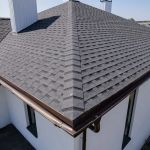 How Much Does a New Roof Cost in 2025? Complete Homeowner Guide
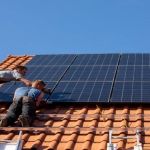 The Environmental Benefits of a Cool Roof
 Siding Sealing & Caulking Best Practices for Long-Lasting Protection
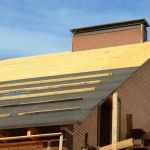 How to Choose Roof Sheathing & Decking Materials
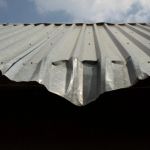 How to Prevent Roof Damage from Weather Changes: Expert Tips
 Siding vs Stucco: Which Is Better for Your Home?