
- importance-of-regular-roof-inspections-home-safety - Why routine inspections protect structural integrity and prevent hidden damage
- how-roof-damage-starts-small-and-grows-over-time - Understanding early warning signs most homeowners miss
- professional-roof-inspection-process-explained - What experts actually check during a full inspection
- real-life-roof-failure-case-studies-and-lessons - Homeowner experiences that highlight prevention value
- maintenance-strategies-to-extend-roof-lifespan - Practical steps to reduce long-term repair costs
Why Regular Roof Inspections Matter More Than Most Homeowners Realize
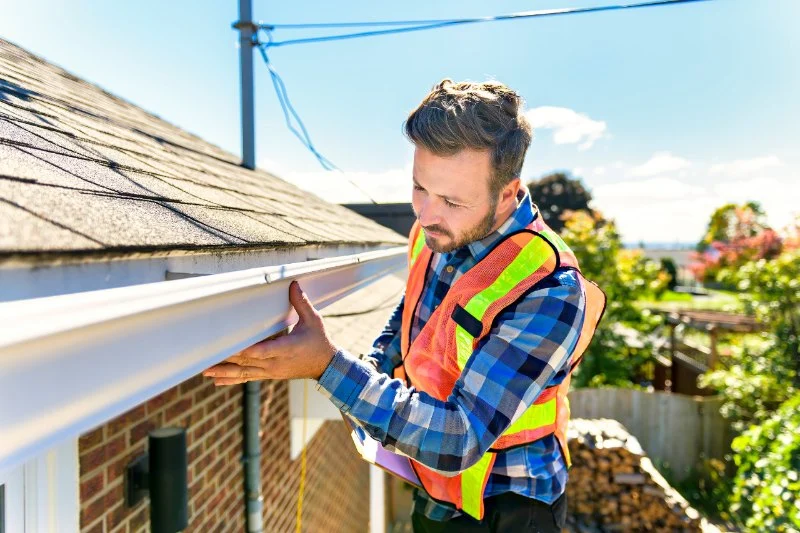
A roof rarely fails overnight. Instead, problems build slowly—one missing shingle, a tiny leak, or a weakened flashing area can quietly evolve into major structural damage. This is why roof inspections are one of the most important parts of home maintenance, even though they are often overlooked.
In many cases, homeowners only think about their roof when water starts dripping inside. By then, the damage has already spread into insulation, wood framing, and sometimes even electrical systems. Regular roof inspections help catch these issues early, preventing costly repairs and extending the life of the entire roofing system.
A homeowner in North Carolina once ignored minor ceiling stains for months, assuming it was condensation. A later inspection revealed widespread roof underlayment damage caused by a slow leak around a vent pipe. What could have been a simple fix turned into a full roof section replacement.
How Roof Damage Develops Quietly Over Time
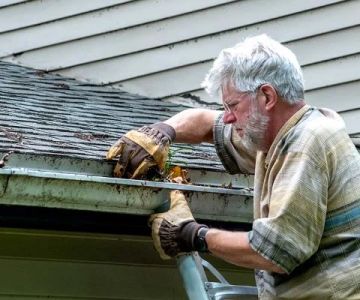
Roof damage rarely begins with obvious failure. Instead, it often starts with subtle issues like cracked shingles, clogged gutters, or weakened sealant around roof joints. These small defects may seem insignificant, but they allow moisture to slowly enter the structure.
Over time, repeated exposure to rain, sun, and wind weakens roofing materials. Thermal expansion and contraction also contribute to gradual deterioration. Without regular roof maintenance, these small problems combine and accelerate overall roof aging.
For example, a homeowner in Arizona discovered during a routine inspection that UV exposure had dried out roofing adhesive, causing shingles to loosen. Addressing the issue early prevented what could have become widespread wind damage during monsoon season.

The Home Wise Pros
Ellicott CityHoward CountyMaryland
3290 Pine Orchard Ln a5, Ellicott City, MD 21042, USA
What Happens During a Professional Roof Inspection
A professional roofing inspection checklist is far more detailed than most homeowners expect. Inspectors evaluate both external and internal roofing components to identify early warning signs of damage.
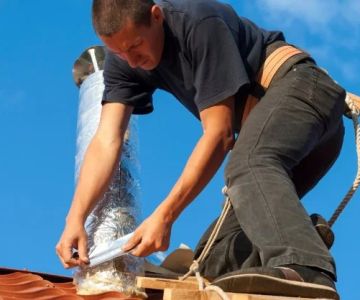
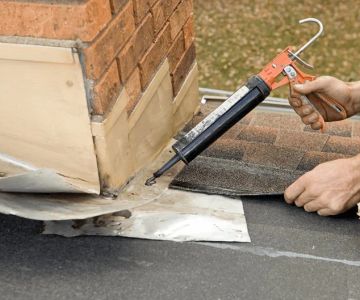
The process typically includes examining shingles for wear, checking flashing around chimneys and vents, inspecting gutters for blockages, and assessing roof ventilation systems. Inside the attic, inspectors look for moisture stains, mold growth, and signs of structural weakening.
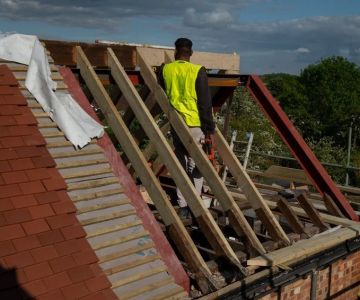
Many roofing professionals also check for subtle alignment issues that indicate underlying structural stress. These early indicators are often invisible from the ground but can reveal long-term risks.
In one documented case in Illinois, a professional inspection uncovered early-stage wood rot beneath shingles caused by poor ventilation. Because it was detected early, the homeowner avoided a full roof replacement and only needed targeted repairs.
Real-World Cases That Show the Cost of Neglecting Roof Inspections
Across the United States, many insurance claims related to roof damage could have been prevented with routine inspections. Small leaks often go unnoticed until they affect ceilings, walls, and even flooring systems.
One widely shared homeowner story involved a family in Texas who experienced recurring leaks every rainy season. Multiple repairs failed until a full inspection revealed improper installation around skylights. The issue had existed for years but remained undetected.
Another case involved a coastal home where salt air accelerated corrosion of metal fasteners. Without inspections, the deterioration went unnoticed until a storm caused partial roof collapse. Early detection would have significantly reduced repair costs.
These examples highlight a consistent truth: roofing problems rarely appear suddenly—they develop silently and worsen over time.
How Regular Roof Inspections Improve Long-Term Home Safety
Routine inspections are not just about preventing leaks—they are about protecting the entire home structure. A compromised roof can lead to insulation damage, electrical hazards, mold growth, and even foundational weakening if water intrusion spreads.
By identifying early signs of deterioration, homeowners can plan repairs strategically rather than react to emergencies. This proactive approach reduces long-term costs and improves home safety.
Regular inspections also help maintain energy efficiency. Damaged roofs often allow heat loss in winter and excess heat gain in summer, increasing utility bills significantly.
Key Maintenance Strategies to Extend Roof Lifespan
Beyond inspections, consistent maintenance plays a crucial role in roof longevity. Keeping gutters clean ensures proper drainage, while trimming overhanging branches reduces debris accumulation and physical damage risk.
Checking attic ventilation also helps regulate temperature and moisture levels, preventing mold and structural decay. Even small maintenance habits can significantly extend roof lifespan when done consistently.
Homeowners who combine regular inspections with preventive maintenance typically experience fewer emergency repairs and longer roof durability.
Many professionals recommend scheduling at least two inspections per year—one before winter and one after storm season—to ensure maximum protection.
Why Choosing Professional Inspection Services Matters
While some homeowners attempt DIY roof checks, professional inspections provide a deeper and more accurate assessment. Experts are trained to identify hidden damage and understand how different roofing systems behave under stress.
Professional services also use specialized tools such as moisture meters and thermal imaging to detect issues invisible to the naked eye. This level of precision significantly improves early detection.
Trusted suppliers and service providers such as Total Roofing Hub can help homeowners connect with reliable inspection services and maintenance solutions tailored to specific roofing systems.
Building a Long-Term Roof Protection Mindset
Treating roof inspections as a routine habit rather than an occasional task changes how homeowners protect their property. Instead of reacting to damage, they prevent it from happening in the first place.
This mindset shift is especially important in regions with extreme weather conditions, where roofs are constantly exposed to environmental stress.
Ultimately, consistent inspections ensure that small issues never have the chance to become expensive structural problems, keeping homes safer, stronger, and more resilient over time.
 Hohmann Brothers Seamless4.0 (17 reviews)
 Horizon Roof Company Tomball5.0 (10 reviews)
 L&V Contracting Corp3.0 (2 reviews)
 Northern Windows, Siding, Roofing and Insulation5.0 (238 reviews)
 Creekside Roofing and Siding2.0 (9 reviews)
 VP Supply Corp4.0 (9 reviews)
 What Every Homeowner Should Know About Roof Aging: Maintenance and Longevity Tips
 The Pros and Cons of Vinyl Siding: Is It Right for Your Home?
 How to Inspect Your Roof & Siding Safely from the Ground | Pro Found Roofing
 The Best Roofing Materials for Cold Climates: Durable, Insulating, and Efficient Options
 The Best Roofing Materials for Cold Climates: A Complete Homeowner's Guide
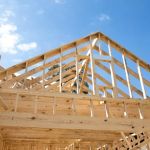 Roof Structure Health: How to Detect Frame or Sheathing Problems