
- - Understanding Roofing Costs and Estimates
- - What Makes Roofing Prices Change
- - Breaking Down Material Costs
- - Labor Costs and Why They Matter
- - Hidden Expenses Homeowners Often Miss
- - How to Read a Roofing Estimate
- - Mistakes People Make When Comparing Bids
- - Real Homeowner Cost Stories
- - Ways to Lower Roofing Costs Without Cutting Quality
- - Questions to Ask Before Signing a Contract
- - Timing Your Project for Better Pricing
- - Finding Trustworthy Roofing Help
Understanding Roofing Costs and Estimates
For many homeowners, the moment they notice water stains on the ceiling or shingles scattered across the yard after a storm is the moment roofing costs suddenly become very real. A roof replacement is one of the largest home improvement investments most people will ever make, yet many homeowners start the process with little understanding of how estimates are created or why pricing varies so dramatically between contractors.
The truth is that roofing costs and estimates are influenced by dozens of variables. Two houses on the same street can receive quotes that differ by thousands of dollars. Material quality, labor complexity, local regulations, roof pitch, ventilation upgrades, and hidden structural damage all affect the final price.
Many homeowners make the mistake of assuming roofing is simply about shingles. In reality, a roofing system includes underlayment, flashing, ventilation, decking, waterproof barriers, ridge caps, fasteners, and drainage components. When contractors prepare estimates, they evaluate the entire system rather than just the visible outer layer.
In recent years, roofing prices across America have also increased because of supply chain issues, labor shortages, rising fuel prices, and extreme weather events. Following major storms in states like Florida, Texas, and Louisiana, temporary spikes in material demand often pushed prices significantly higher for months at a time.
Understanding these factors helps homeowners make smarter financial decisions instead of simply choosing the cheapest estimate.
What Makes Roofing Prices Change
1. Roof Size
The square footage of your roof is one of the biggest pricing factors. Roofing contractors calculate materials and labor based on “squares,” with one roofing square equal to 100 square feet.
However, roof size alone does not tell the whole story. A 2,000-square-foot home with a simple roofline may cost far less than a smaller home with steep slopes, dormers, skylights, or multiple valleys.
2. Roof Pitch and Complexity
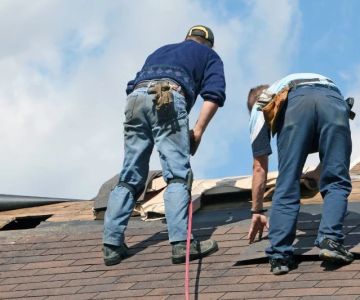
Steep roofs require additional safety equipment, slower labor, and specialized installation techniques. Roofers working on a steep pitch often need harness systems and staging equipment, increasing labor hours substantially.
Complex rooflines also create more cutting waste and require detailed flashing work around intersections and penetrations.
3. Geographic Location
Roof replacement costs vary dramatically by region. In large metropolitan areas such as New York City, Los Angeles, or Seattle, labor costs tend to be much higher than in smaller rural towns.
Climate also affects pricing. Homes in hurricane-prone regions may require stronger fastening systems and upgraded waterproofing. Northern states with heavy snowfall often need reinforced structural support and ice shield barriers.
4. Material Choice
The material selected for a roof replacement significantly affects the estimate. Asphalt shingles remain the most common option because they balance affordability and durability. Metal roofing, clay tiles, slate, and synthetic materials cost considerably more but may offer longer lifespans and better energy performance.
5. Existing Roof Condition
Some homeowners expect a straightforward replacement only to discover rotted decking, mold, sagging rafters, or water-damaged insulation beneath the old roof. Structural repairs can quickly increase the total project cost.
This is why experienced contractors often include contingency notes in their estimates explaining potential additional charges if hidden damage is uncovered during tear-off.
Breaking Down Material Costs
Asphalt Shingles
Asphalt shingles remain America’s most popular roofing material for good reason. They are relatively affordable, widely available, and available in multiple styles.
3-Tab Shingles
These are typically the least expensive option. While affordable, they generally have shorter lifespans and lower wind resistance compared to architectural shingles.
Architectural Shingles
Architectural shingles cost more but provide better durability, dimensional appearance, and improved weather protection. Many homeowners consider them the best value overall.
Metal Roofing
Metal roofs have become increasingly popular across the United States, especially in areas with severe weather. They can last 40 to 70 years and often improve energy efficiency by reflecting heat.
However, metal roofing installation requires specialized labor and higher upfront costs.
Tile and Slate
Clay tile and slate roofs are premium options known for beauty and longevity. Some slate roofs can last over a century. Yet these materials are heavy and often require additional structural reinforcement.
For historic homes, premium materials may also require specialized craftsmanship that increases labor costs significantly.
Underlayment and Waterproofing
Homeowners sometimes overlook the importance of underlayment because it is hidden beneath the shingles. High-quality synthetic underlayment and waterproof membranes protect homes from leaks and moisture intrusion.
Upgraded waterproofing systems often add to the estimate but may prevent expensive water damage later.
Labor Costs and Why They Matter
Labor is often one of the most misunderstood components in roofing estimates. Homeowners sometimes question why labor charges are so high without realizing the physical demands and safety risks involved in roofing work.
Skilled Roofing Crews
Experienced roofers understand ventilation, waterproofing systems, flashing details, and structural load requirements. Hiring a highly trained crew may cost more upfront but can dramatically reduce future repair expenses.
Insurance and Licensing
Legitimate roofing contractors carry liability insurance and workers’ compensation coverage. These protections increase operating costs but protect homeowners from serious financial risks.
A suspiciously low estimate may indicate uninsured workers or unlicensed subcontractors.
Tear-Off Labor
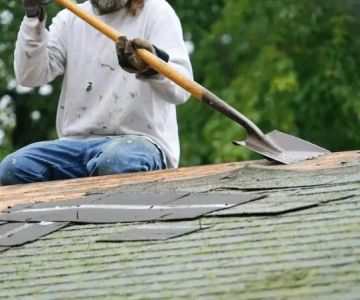
Removing old roofing materials is labor-intensive and often more expensive than homeowners expect. Multiple layers of old shingles increase disposal and labor costs.
Cleanup and Disposal
Roof replacement projects generate enormous amounts of debris. Dumpster rental fees, landfill charges, and site cleanup costs are usually included in professional estimates.
Reputable contractors also use magnetic sweepers to collect stray nails from lawns and driveways.
Hidden Expenses Homeowners Often Miss
Permit Fees
Most municipalities require permits for roof replacement projects. Permit costs vary widely depending on local regulations and project size.
Ventilation Upgrades
Poor attic ventilation can shorten roof lifespan and increase energy bills. Contractors may recommend ridge vents, soffit vents, or attic fan upgrades during replacement projects.
Structural Repairs
Water intrusion can damage roof decking, rafters, and support beams. Structural repair costs are difficult to estimate until the old roof is removed.
Gutter Replacement
Some homeowners decide to replace gutters during roofing projects to improve drainage performance and curb appeal.
Warranty Upgrades
Premium manufacturer warranties often require certified installation procedures and upgraded roofing components.
While warranty packages increase upfront costs, they may offer long-term value and peace of mind.
How to Read a Roofing Estimate
One of the smartest things homeowners can do is learn how to carefully review roofing estimates instead of focusing only on the final price.
Detailed Scope of Work
A professional estimate should clearly explain:
- Materials being installed
- Removal procedures
- Cleanup responsibilities
- Ventilation upgrades
- Warranty coverage
- Estimated project timeline
Material Specifications
Some contractors intentionally use vague language to hide lower-quality materials. Estimates should specify manufacturer names, product lines, and warranty details.
Payment Terms
Homeowners should carefully review payment schedules. Be cautious of contractors demanding unusually large upfront deposits.
Contingency Clauses
Most professional estimates include language explaining how unexpected structural damage will be handled financially.
Mistakes People Make When Comparing Bids
Choosing the Lowest Price Automatically
A surprisingly cheap estimate may indicate shortcuts, low-grade materials, or inexperienced labor.
One homeowner in Ohio shared online how a low-cost roofing company completed a replacement quickly, only for major leaks to appear six months later during winter storms. A second contractor later discovered missing flashing and improperly installed underlayment.
Ignoring Warranty Details
Not all warranties provide equal protection. Some cover only materials while others include labor coverage.
Failing to Check References
Reviews and references provide valuable insight into contractor reliability, communication, and workmanship quality.
Overlooking Communication Style
Roofing projects can become stressful when contractors fail to communicate clearly about scheduling delays or unexpected repairs.
Homeowners often underestimate how important professionalism and transparency become during large renovation projects.
Real Homeowner Cost Stories
A Texas Storm Replacement
After a severe hailstorm in Dallas, one homeowner received five roofing estimates ranging from $9,000 to $22,000. At first glance, the difference seemed impossible to understand.
After reviewing the details, the homeowner realized the cheapest estimate excluded decking repairs, ventilation improvements, and upgraded waterproof barriers. The most expensive quote included premium impact-resistant shingles and an extended warranty.
Ultimately, the homeowner selected a mid-range contractor with strong references and transparent pricing.
A Historic Home in Massachusetts
A family restoring a century-old home discovered severe hidden structural damage after their roof tear-off began. Rotten decking and compromised rafters increased costs by nearly 30%.
Although the additional expense was frustrating, the contractor documented each issue with photos and provided updated estimates throughout the process, helping build trust during a stressful project.
Ways to Lower Roofing Costs Without Cutting Quality
Schedule During Slower Seasons
Roofing demand often peaks during summer and after major storms. Scheduling projects during slower seasons may result in better pricing and faster scheduling.
Compare Multiple Estimates
Most experts recommend obtaining at least three estimates before making a decision.
However, homeowners should compare scope details carefully rather than simply comparing totals.
Consider Material Lifespan
Sometimes spending slightly more upfront reduces long-term ownership costs.
For example, upgraded shingles with longer warranties may reduce future repair expenses and improve home resale value.
Bundle Exterior Projects
Combining roofing work with gutter replacement or attic insulation upgrades may reduce labor duplication costs.
Explore Financing Options
Some roofing companies offer financing programs that help homeowners manage large replacement expenses more comfortably.
Homeowners researching contractors, materials, and roofing service providers often use resources like Pro Found Roofing to compare options and better understand modern roofing systems before committing to a major project.
Questions to Ask Before Signing a Contract
1. Are You Licensed and Insured?
Always verify insurance and licensing documentation before work begins.
2. What Warranties Are Included?
Ask whether warranties cover materials, labor, or both.
3. How Will Unexpected Repairs Be Handled?
Clarify approval procedures for additional costs before the project starts.
4. Who Supervises the Crew?
Understanding who manages the project helps ensure accountability and communication.
5. What Is Included in Cleanup?
Professional cleanup standards should be discussed in advance.
Timing Your Project for Better Pricing
Timing can significantly influence roofing estimates. Many homeowners wait until severe leaks appear, but emergency projects often cost more because contractors must prioritize urgent repairs.
Spring and Summer Demand
Warm weather increases roofing activity across much of the country. Higher demand can lead to longer wait times and higher labor costs.
Post-Storm Price Surges
After hurricanes or hailstorms, material shortages and labor demand frequently drive prices upward.
Preventive Replacement
Replacing an aging roof before severe damage occurs may reduce structural repair costs and emergency service fees.
Homeowners who monitor roof condition proactively often save substantial money over time.
Finding Trustworthy Roofing Help
Roof replacement is more than a construction project. It is an investment in safety, energy efficiency, property value, and long-term peace of mind.
The best roofing estimates are not always the cheapest or the most expensive. They are the ones that clearly explain materials, labor, warranties, timelines, and potential risks.
A trustworthy contractor takes time to answer questions, explain roofing systems, and provide realistic expectations rather than pressuring homeowners into rushed decisions.
As roofing technology continues evolving with impact-resistant shingles, energy-efficient materials, and improved ventilation systems, homeowners have more options than ever before. Taking time to understand roofing costs and estimates helps prevent costly surprises and creates confidence throughout the replacement process.
For homeowners exploring roofing materials, contractor comparisons, estimate breakdowns, and replacement planning strategies, Pro Found Roofing can be a useful resource for learning about available services and making more informed roofing decisions before starting a major project.
 Independent All 'round Maintenance LLC5.0 (12 reviews)
 Triumph Roofing & Exterior5.0 (30 reviews)
 D & J Roofing, Inc.3.0 (7 reviews)
 Ace, LLC4.0 (81 reviews)
 All American Restoration4.0 (44 reviews)
 Tim Orr Enterprises4.0 (5 reviews)
 Siding Maintenance for Rental Properties: Responsibilities & Costs
 How to Spot Hail Damage on Your Roof: Essential Guide for Homeowners
 How to Choose Energy-Star Rated Siding & Roofing Materials for Your Home
 Why Roof Repairs Are Essential for Home Safety and Protection
 The Best Roofs for Low-Maintenance Homes
 Siding Sealing & Caulking Best Practices: Protect Your Home from the Elements