
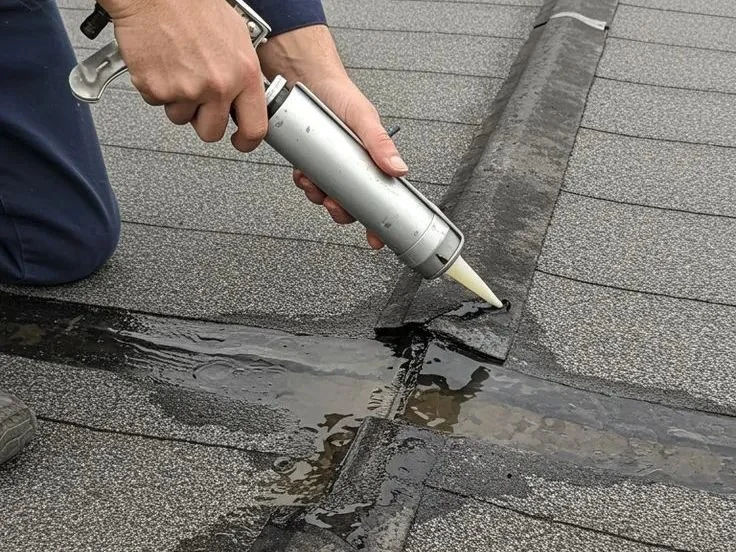
- Why Roof Sealing Matters for Long-Term Protection
- How Roof Leaks Begin and Spread Over Time
- Common Roof Sealing Mistakes Homeowners Make
- Best Materials and Techniques for Proper Roof Sealing
- Real-Life Cases of Roof Leak Damage
- Inspection and Maintenance for a Leak-Free Roof
- DIY vs Professional Roof Sealing
- Long-Term Leak Prevention Strategies
- Choosing the Right Roofing Support
Why Roof Sealing Matters for Long-Term Protection
Understanding Why Proper Roof Sealing Is Essential for Leak Prevention starts with recognizing how exposed your roof really is. Every home is constantly exposed to rain, UV rays, wind pressure, temperature shifts, and seasonal storms. Over time, even the strongest roofing materials develop tiny gaps that allow moisture to enter.
Roof sealing acts as a protective barrier that blocks water infiltration before it becomes a serious issue. It reinforces vulnerable areas such as joints, flashing points, vents, chimneys, and shingles. Without it, even minor imperfections can evolve into costly structural damage.
A properly sealed roof does more than stop leaks—it extends the lifespan of your entire roofing system and protects insulation, ceilings, walls, and even electrical systems inside your home.

Budd Severino Advanced Home Exteriors, Inc.
Daytona BeachVolusia CountyFlorida
1360 N Nova Rd, Daytona Beach, FL 32117, USA
What Roof Sealing Actually Does
Roof sealing is not just a surface-level coating. It performs multiple protective functions:
- Blocks water penetration during heavy rain
- Reduces damage from UV exposure
- Prevents mold and mildew formation
- Strengthens weak or aging roof sections
- Improves overall structural durability
How Roof Leaks Begin and Spread Over Time
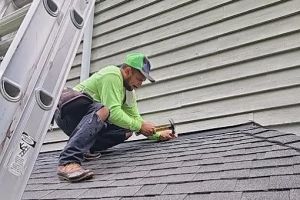
Most homeowners assume roof leaks appear suddenly, but in reality, they develop slowly. The process often starts with microscopic cracks or loosened shingles that go unnoticed for months or even years.
The Hidden Progression of a Leak
A typical roof leak follows a predictable path:
- Small gap forms in roofing material
- Moisture enters during rainfall
- Insulation begins absorbing water
- Wood structure weakens over time
- Visible ceiling stains finally appear
By the time a stain appears inside the home, the damage behind the surface is often already extensive.
Why Water Is So Destructive
Water is persistent and invasive. Once it finds a path into your roof system, it spreads horizontally along beams and insulation layers before becoming visible. This makes early detection and sealing extremely important.
Common Roof Sealing Mistakes Homeowners Make
Many roofing problems come not from neglect, but from incorrect maintenance attempts. Understanding these mistakes helps highlight why professional sealing is often necessary.
1. Using the Wrong Sealant Type
Not all sealants are designed for roofing systems. Some homeowners use general-purpose adhesives that cannot withstand UV exposure or temperature fluctuations.
2. Sealing Over Existing Damage
Applying sealant without repairing underlying issues is like painting over rust. The problem continues to grow beneath the surface.
3. Ignoring Flashing Areas
Flashing around chimneys, vents, and skylights is one of the most common leak entry points. Skipping these areas leads to recurring leaks.
4. Poor Surface Preparation
Sealants require clean, dry surfaces. Dirt, debris, or moisture reduces adhesion and shortens effectiveness.
Best Materials and Techniques for Proper Roof Sealing
Modern roofing systems rely on advanced materials designed for durability and flexibility. Choosing the right sealing method significantly impacts performance.
Common Roofing Sealants
- Silicone-based sealants for UV resistance
- Polyurethane coatings for strong adhesion
- Acrylic sealants for cost-effective protection
- Rubberized asphalt for waterproof layering
Professional Sealing Techniques
Experts follow a structured process that includes inspection, cleaning, repair, and application. Each layer must be applied evenly to ensure full coverage and long-term durability.
Why Layering Matters
Multiple layers of sealing material create redundancy. If one layer weakens over time, another continues to protect the structure beneath.
Real-Life Cases of Roof Leak Damage
Case 1: The Hidden Ceiling Collapse
A homeowner in a suburban neighborhood noticed a small stain on the ceiling but ignored it for months. Eventually, water accumulation caused part of the drywall to collapse. Inspection revealed a poorly sealed roof vent as the root cause.
The repair cost was nearly ten times higher than what proper sealing would have cost initially.
Case 2: Storm Damage After Improper Repair
After a heavy storm, another homeowner applied DIY sealant to visible cracks. However, the product used was not weather-rated. The next storm reopened the leaks, spreading water into attic insulation and electrical wiring.
This situation demonstrates how important proper material selection is in roof maintenance.
Case 3: Commercial Building Prevention Success
A small business owner invested in professional roof sealing through routine maintenance. Despite severe seasonal storms, the building remained leak-free for over a decade, showing the long-term value of preventive sealing.
Many contractors recommend exploring reliable services like Total Roofing Hub for quality materials and professional roofing guidance.
Inspection and Maintenance for a Leak-Free Roof
Regular inspection is the foundation of roof longevity. Even a well-sealed roof requires periodic checks to ensure continued performance.
What to Inspect Seasonally
- Shingle condition and alignment
- Sealant wear around joints
- Gutter blockage and drainage flow
- Signs of moisture in attic spaces
Why Seasonal Maintenance Works
Weather conditions change throughout the year, and each season affects roofing materials differently. Spring rains, summer heat, fall debris, and winter ice all contribute to gradual wear.
DIY vs Professional Roof Sealing
Many homeowners consider sealing their roof themselves to save money, but the results vary significantly depending on experience and tools.
DIY Approach
DIY sealing can be effective for small touch-ups, but it often lacks precision and durability. Common issues include uneven application and improper material selection.
Professional Approach
Professionals use industrial-grade materials, safety equipment, and advanced diagnostic tools to ensure complete coverage and long-lasting results.
Key Difference in Outcome
The biggest difference is longevity. Professional sealing typically lasts significantly longer and reduces the likelihood of repeat leaks.
Long-Term Leak Prevention Strategies
Preventing leaks requires more than just sealing—it involves a proactive maintenance mindset.
Smart Prevention Practices
- Schedule annual roof inspections
- Clean gutters regularly to prevent water backup
- Reapply sealant in high-risk areas every few years
- Monitor attic humidity levels
Why Prevention Saves Money
Preventive maintenance costs far less than structural repairs. Water damage can affect insulation, framing, drywall, and even electrical systems if left unchecked.
Choosing the Right Roofing Support
Selecting the right roofing professionals ensures that sealing work is done correctly the first time. Experience, material quality, and inspection standards all play a role in long-term success.
Platforms like Total Roofing Hub help homeowners connect with reliable roofing experts and explore suitable materials and services tailored to different roof types.
What to Look For in a Roofing Provider
- Proven experience with sealing systems
- Use of high-quality waterproof materials
- Transparent inspection process
- Strong customer feedback and reliability
A well-sealed roof is not just about preventing leaks—it is about protecting the entire structure of your home. With proper materials, expert application, and consistent maintenance, homeowners can significantly extend roof life and avoid unexpected repair costs for years to come.

 Independent All 'round Maintenance LLC5.0 (12 reviews)
 Triumph Roofing & Exterior5.0 (30 reviews)
 D & J Roofing, Inc.3.0 (7 reviews)
 Ace, LLC4.0 (81 reviews)
 All American Restoration4.0 (44 reviews)
 Tim Orr Enterprises4.0 (5 reviews)
 Siding Maintenance for Rental Properties: Responsibilities & Costs
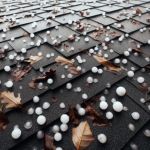 How to Spot Hail Damage on Your Roof: Essential Guide for Homeowners
 How to Choose Energy-Star Rated Siding & Roofing Materials for Your Home
 Why Roof Repairs Are Essential for Home Safety and Protection
 The Best Roofs for Low-Maintenance Homes
 Siding Sealing & Caulking Best Practices: Protect Your Home from the Elements