
- 1-importance-of-early-roof-inspections
- 2-visible-signs-of-roofing-problems
- 3-interior-warning-signs-that-indicate-roof-issues
- 4-seasonal-roof-inspection-tips
- 5-common-roofing-problems-homeowners-should-watch
- 6-how-to-perform-a-basic-roof-inspection
- 7-how-regular-maintenance-prevents-expensive-repairs
- 8-when-to-call-a-roofing-professional
- 9-building-a-long-term-roof-maintenance-plan
1. Importance of Early Roof Inspections
A roof is one of the most important protective systems of a home. It protects families, belongings, insulation, walls, and interior spaces from rain, wind, snow, heat, and changing weather conditions. However, many homeowners only think about their roof when a major problem appears.
The reality is that most serious roofing problems begin as small issues. A loose shingle, a tiny crack in flashing, or a clogged drainage area may seem insignificant at first, but these problems can gradually develop into leaks, structural damage, and expensive repairs.
Learning How to Spot Roofing Issues Before Major Repairs Are Needed allows homeowners to take action earlier and protect one of their biggest property investments. Regular attention to small warning signs can often prevent larger problems from developing.

Why Minor Roofing Problems Become Major Repairs
Roof damage rarely happens overnight. Instead, it usually develops through repeated exposure to weather and time. Water may slowly enter through a small opening and damage materials underneath the visible roof surface.
For example, a homeowner may notice one missing shingle after a storm. If the exposed area is ignored, moisture can eventually reach the roof decking and insulation. Months later, the homeowner may discover ceiling stains or interior damage that requires much more extensive work.
Early detection helps reduce repair costs because it addresses the source before damage spreads.

Benefits of Regular Roof Monitoring
Regular roof checks provide several advantages:
- Identifying problems before leaks develop
- Extending the life of roofing materials
- Reducing unexpected repair expenses
- Improving home protection during storms
- Maintaining property value
A simple inspection routine can make a significant difference in long-term roof performance.
2. Visible Signs of Roofing Problems
Many roofing problems leave visible clues. Homeowners do not need specialized equipment to notice basic warning signs from the ground.
1. Missing, Cracked, or Damaged Shingles
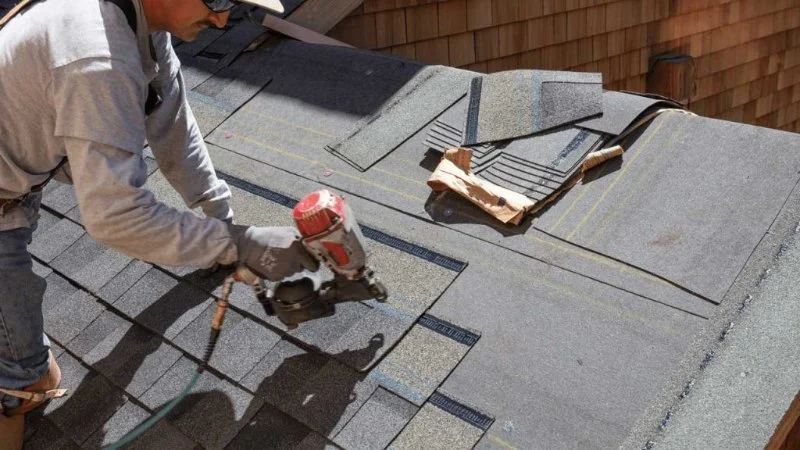
Shingles create a protective barrier against water. When they become cracked, curled, loose, or missing, the roof becomes more vulnerable to moisture.
Common signs include:
- Shingles that appear uneven
- Pieces of roofing material found in the yard
- Dark patches where shingles have lost protective coating
- Edges that are curling upward
These issues may seem small, but damaged shingles can allow water to reach deeper layers of the roofing system.
2. Sagging Areas on the Roof
A healthy roof should maintain a consistent shape. Areas that appear lower or uneven may indicate moisture damage, weakened structural materials, or drainage problems.
Roof sagging should be taken seriously because it may indicate issues beyond surface materials.
3. Excessive Granules in Gutters
For asphalt shingles, protective granules help shield the roof from sunlight and weather. Over time, some natural loss occurs, but large amounts collecting in gutters may indicate aging or deterioration.
Checking gutters during cleaning can provide useful information about roof condition.
3. Interior Warning Signs That Indicate Roof Issues
Not all roofing problems are visible from outside. Sometimes the first signs appear inside the home.
1. Water Stains on Ceilings
Brown, yellow, or dark stains on ceilings are common indicators of moisture entering the home.
These stains may appear after rainfall or slowly become more noticeable over time. Even if the area dries, the underlying roofing issue may still exist.
2. Damp Attic Areas
The attic provides valuable clues about roof health. Homeowners should check for:
- Wet insulation
- Dark marks on wooden structures
- Musty odors
- Visible moisture
Problems found in the attic often reveal leaks before they become serious interior damage.
3. Peeling Paint and Damaged Walls
Roof-related moisture can affect walls, paint, and drywall. Bubbling surfaces or peeling finishes may indicate water movement behind the visible area.
4. Seasonal Roof Inspection Tips
Different seasons create different challenges for roofing systems. A seasonal inspection routine helps homeowners identify problems before extreme weather arrives.
Spring Roof Checks
Spring is an excellent time to inspect roofs after winter weather. Snow, ice, and freezing temperatures can damage roofing materials.
Homeowners should look for:
- Loose shingles
- Damaged flashing
- Blocked gutters
- Signs of moisture
Summer Roof Checks
Hot weather can affect roofing materials through heat expansion and sun exposure. Summer inspections help identify aging materials before storm season.
Fall Roof Preparation
Before winter arrives, homeowners should clear gutters and remove debris that may trap moisture.
A properly maintained roof is better prepared for cold temperatures, rain, and snow.
5. Common Roofing Problems Homeowners Should Watch
Understanding common roofing issues helps homeowners recognize problems early.
1. Roof Leaks
Leaks are among the most common roofing problems. They often begin around vulnerable areas such as:
- Chimneys
- Skylights
- Roof vents
- Flashing connections
- Roof edges
Because water can travel before becoming visible, locating the source may require careful inspection.
2. Flashing Problems
Flashing creates a seal around areas where the roof meets other structures. Damaged or improperly installed flashing can allow water penetration.
3. Roof Ventilation Issues
Proper ventilation helps control temperature and moisture levels in the attic. Poor ventilation may contribute to premature roof aging and moisture-related problems.
6. How to Perform a Basic Roof Inspection
A homeowner inspection does not replace professional evaluation, but it can help identify obvious warning signs.
1. Inspect From the Ground
Using binoculars, homeowners can safely examine roof surfaces without climbing.
Look for:
- Missing materials
- Uneven roof lines
- Damaged areas
- Debris accumulation
2. Check Gutters and Drainage
Gutters provide important information about roof health. Look for:
- Excessive shingle granules
- Standing water
- Blocked drainage paths
3. Examine the Attic
A careful attic check can reveal moisture problems that are not visible outside.
7. How Regular Maintenance Prevents Expensive Repairs
Preventive maintenance is one of the most effective ways to avoid major roofing expenses.
Keeping Roof Areas Clean
Leaves, branches, and debris can trap moisture and prevent proper drainage. Regular cleaning helps maintain roof performance.
Fixing Small Problems Quickly
A small repair today may prevent a major replacement later. Addressing minor issues early protects both the roof and the interior of the home.
Keeping Maintenance Records
Tracking inspections, repairs, and material information helps homeowners understand roof history and plan future maintenance.
Homeowners looking for roofing supplies, maintenance resources, or project guidance can explore Total Roofing Hub for additional roofing solutions.
8. When to Call a Roofing Professional
Some roofing concerns require professional expertise. Roofing professionals have the experience and tools needed to identify hidden problems.
Situations That Need Expert Attention
- Repeated leaks
- Large damaged areas
- Roof age concerns
- Visible structural issues
- Storm-related damage
Professional inspections are especially important when homeowners notice multiple warning signs at the same time.
9. Building a Long-Term Roof Maintenance Plan
A strong roof maintenance strategy focuses on prevention rather than emergency repairs.
Creating a Regular Inspection Schedule
Many homeowners benefit from checking their roof at least periodically and after major weather events.
Understanding Roof Lifespan
Every roofing system eventually reaches the end of its useful life. Knowing the approximate age and condition of the roof helps homeowners plan financially.
Protecting Your Home Investment
A roof is more than a covering over a house. It is a critical system that protects comfort, safety, and property value.
Learning How to Spot Roofing Issues Before Major Repairs Are Needed gives homeowners the knowledge to recognize warning signs early, make informed decisions, and prevent avoidable damage.
With regular inspections, timely maintenance, and reliable roofing resources, homeowners can extend roof performance and avoid unnecessary repair costs.


 Impressive Improvements LLC5.0 (1 reviews)
 Ace Handyman Services Lanier4.0 (70 reviews)
 Allies Roofing and Construction LLC4.0 (46 reviews)
 RO Home Improvement LLC5.0 (39 reviews)
 Summerville Brother roofing5.0 (4 reviews)
 ABC Supply Co. Inc.3.0 (15 reviews)
 Roof Replacement & Your Home Insurance Premiums: What You Need to Know
 How to Maintain Your Siding Year Round: Essential Tips for Homeowners
 What to Expect During a Roof Inspection: A Step-by-Step Guide
 How to Match Roof Shingles with Your Siding Color for the Perfect Home Look
 What to Know About Roof Replacement for Older Properties
 The Average Lifespan of Asphalt Shingle Roofs: How Long Will They Last?