
Understanding Why Early Roof Warning Signs Matter More Than Homeowners Think
Most roof problems don’t start with dramatic leaks or visible ceiling stains. They begin quietly—sometimes months before anyone notices anything wrong indoors. The real challenge in home maintenance is not fixing damage, but spotting roofing issues signs early enough to prevent water from ever reaching the interior.
In many homes across the U.S., especially in regions with seasonal storms, homeowners only discover roof damage after drywall stains appear or insulation becomes saturated. By that point, the repair cost is often several times higher than what early intervention would have required.
A homeowner in Ohio once shared a common story: a small shingle lift after a windstorm went unnoticed. Three months later, a light brown ceiling stain appeared in the living room. The repair ended up including roof replacement, ceiling repair, and mold remediation. That entire chain of events could have been prevented with a simple visual inspection.
Roof Leak Detection Starts Outside the House, Not Inside
A major misconception is that roof problems are discovered indoors first. In reality, roof leak detection should always begin outside. The roof surface gives the earliest clues long before moisture reaches drywall or flooring.
Shingle Behavior as an Early Warning System
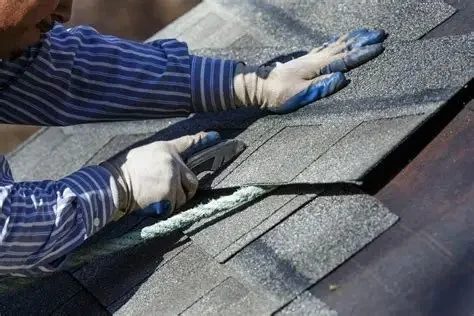
Shingles are the first line of defense. When they begin curling, cracking, or lifting, it often indicates underlying ventilation issues or weather stress. These are classic shingle problems that slowly open pathways for water intrusion.
Even minor displacement can create channels where rainwater is redirected under the roofing layer. This process is gradual, which is why homeowners often miss it during casual observation.
Flashing Weak Points That Are Often Ignored
Roof flashing around chimneys, skylights, and vents is another critical area. When flashing becomes loose or corroded, water doesn’t enter immediately—it accumulates over time and spreads internally before visible signs appear.
Professionals often emphasize flashing checks because these small areas are responsible for a disproportionate number of hidden leaks.
Attic Moisture Signs That Reveal Hidden Structural Risk
The attic is one of the most important inspection zones for spotting hidden damage. Many homeowners overlook it because it is not frequently accessed, yet it often provides the clearest early evidence of roof deterioration.
Condensation Patterns That Signal Ventilation Failure
If the attic feels damp or smells musty, it may indicate poor airflow or early moisture intrusion. These attic moisture signs usually appear before visible roof leaks develop inside living areas.
Over time, trapped moisture can weaken wood framing, reduce insulation efficiency, and encourage mold growth—turning a small roofing issue into a structural concern.
Wood Discoloration and Insulation Clumping
Darkened wood beams or clumped insulation are subtle but serious indicators. They often point to repeated water exposure, even if no active dripping is present.
This stage is critical because it represents the transition from minor roof vulnerability to active interior risk.
Interior Warning Signs Homeowners Often Misinterpret
While exterior inspection is key, interior signs often confirm what the roof is already signaling. Recognizing these patterns early helps prevent escalation into costly repairs.
Ceiling Stains That Appear Slowly Over Time
One of the most common signs of roofing issues is a faint discoloration on ceilings. These stains usually expand gradually after rainfall, indicating ongoing water intrusion.
What many homeowners don’t realize is that the leak source is rarely directly above the stain. Water often travels along beams before becoming visible.
Peeling Paint and Wall Bubbling
Walls that begin bubbling or paint that starts peeling without obvious humidity changes can signal hidden moisture migration. This often connects back to undetected roof entry points.
At this stage, prevent interior water damage becomes urgent, as structural components may already be affected behind the surface.
Roof Inspection Habits That Prevent Expensive Repairs
Routine inspection is the most effective way to avoid major damage. A structured approach helps homeowners identify risks before they escalate.
Seasonal Roof Checks as a Preventive Strategy
Experts recommend inspecting the roof at least twice a year—typically in spring and fall. These seasons help identify damage caused by winter snow or summer heat expansion.
A consistent roof maintenance checklist reduces the likelihood of sudden emergencies and extends roof lifespan significantly.
Post-Storm Assessment Practices
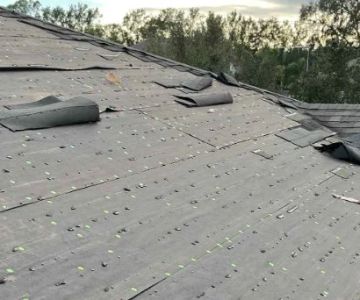
After heavy storms, even if no visible damage is present, small issues like lifted shingles or debris impact marks should be checked immediately. Storm-related wear is one of the most common causes of long-term leaks.
Many roofing professionals note that early post-storm inspections reduce repair costs by up to half compared to delayed discovery.
Real Case Insight: The “Invisible Leak” That Became a Full Renovation
A well-documented case involved a suburban home where no visible roof damage existed externally. The homeowner noticed only a faint musty smell in the upstairs hallway.
After inspection, technicians discovered that a small flashing gap near a vent had allowed water infiltration for nearly a year. The attic insulation was saturated, and part of the ceiling structure had begun weakening.
What started as a nearly invisible issue required partial roof replacement and interior reconstruction. This case highlights why early detection matters more than visible damage.
Homeowners who use platforms like Total Roofing Hub often gain access to preventive inspection services and roofing materials that help avoid similar situations by addressing vulnerabilities early.
Practical Approach to Long-Term Roof Protection
Maintaining a roof is not just about repairs—it’s about consistent observation, timely action, and understanding how small issues evolve.
Combining Visual Checks with Environmental Awareness
Changes in indoor humidity, unexplained drafts, or seasonal odor shifts can all point back to roofing conditions. Awareness of these subtle changes improves early detection accuracy.
Building a Habit of Preventive Maintenance
Instead of waiting for visible damage, homeowners benefit most from adopting a mindset of routine observation. Small, consistent checks often prevent major financial setbacks.
Roof health is ultimately tied to how early problems are identified—not how quickly they are repaired after becoming severe.


 Skyview Exteriors5.0 (247 reviews)
 Lowery's Window & Door4.0 (62 reviews)
 RBC Construction Inc4.0 (4 reviews)
 D&S Roofing5.0 (43 reviews)
 Economy roofing3.0 (2 reviews)
 J&B Installations, Inc.5.0 (7 reviews)
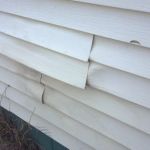 Siding Boards That Hide Imperfections & Warping
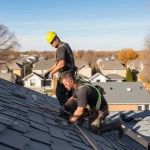 Top 10 Signs Your Roof Needs Immediate Repair | Roofing Guide for U.S. Homeowners
 How Much Does a New Roof Cost in 2025? | Total Roofing Hub
 Roof Repair Steps After Hail: Insurance, Inspection & Replacement | Total Roofing Hub
 The Best Roofing Materials for Cold Climates: Durable and Weather-Resistant Options
 What to Know About Roof Replacement Timelines