
- -understanding-how-heavy-winds-affect-roof-structures
- -early-visual-signs-of-roof-damage-after-storm
- -hidden-damage-that-most-homeowners-miss-after-wind-events
- -how-to-safely-inspect-your-roof-after-a-windstorm
- -real-stories-of-roof-failure-after-heavy-wind-events
- -when-to-call-a-professional-roofing-contractor
- -how-weather-patterns-influence-roof-longevity
- -preventive-maintenance-to-reduce-wind-damage-risks
- -long-term-roof-care-and-trust-building-with-experts
How Heavy Winds Impact Roof Structures and Why Damage Isn’t Always Obvious
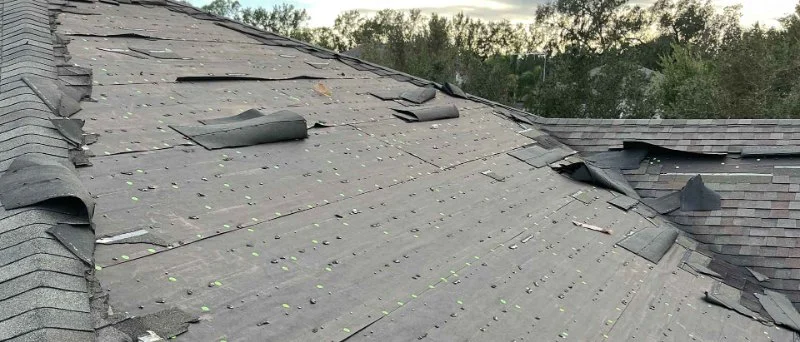
Learning how to spot roofing problems after heavy winds is something most homeowners only think about after a storm has already passed. The reality is that wind damage is often subtle at first. Unlike hail or falling branches that leave visible destruction, wind can slowly weaken roofing systems in ways that are not immediately noticeable.
When strong winds hit a home, they create pressure differences across the roof surface. This pressure can lift shingles, loosen flashing, and weaken adhesive seals that are meant to protect your home from moisture. Even if your roof looks intact from the ground, internal damage may already be developing.
The most dangerous aspect of wind damage is delayed consequences. A small lifted shingle today can become a major leak after the next rainfall. Many homeowners only realize there is a problem when water stains appear on ceilings or walls—by then, the damage has already spread.
That is why roofing professionals consistently emphasize post-storm inspections. Platforms like :contentReference[oaicite:0]{index=0} help homeowners connect with experienced inspectors who can identify early warning signs before they turn into expensive repairs.
Albert Adamkoski Roofing
GloversvilleFulton CountyNew York
395 Progress Rd, Gloversville, NY 12078, USA
Early Visible Signs of Roof Damage After Heavy Winds
After a windstorm, the first step is always a visual inspection from ground level. You do not need special tools to notice early warning signs—just careful observation and awareness of what changed after the storm.
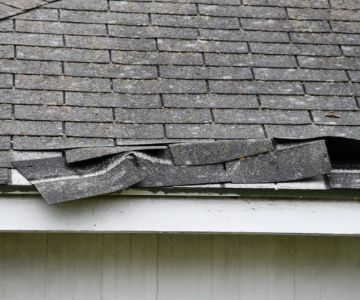
One of the most common indicators is missing or displaced shingles. Even a single missing shingle can expose the underlayment beneath, allowing water to slowly seep in over time. Shingles may also appear curled or lifted, which suggests that wind pressure has broken their seal.
Another visible sign is debris accumulation. If you notice granules from shingles collecting near downspouts, it may indicate that your roofing material has been worn down by wind abrasion. This is especially common in older roofs that have already experienced multiple storms.
Damaged flashing around chimneys, vents, and skylights is another critical warning sign. These areas are naturally vulnerable, and strong winds can bend or loosen metal components, creating entry points for water.
Even subtle changes like uneven roof lines or slightly shifted gutters can signal structural stress caused by wind pressure.
Homeland Roofing & Siding
Parsippany-Troy HillsMorris CountyNew Jersey
8 Campus Dr, Parsippany, NJ 07054, USA
Hidden Roofing Damage That Often Goes Unnoticed
The most serious roofing problems after heavy winds are not always visible from the ground. Hidden damage is what leads to long-term issues such as leaks, mold growth, and structural weakening.
One common hidden issue is lifted shingle edges that reseal temporarily. From a distance, the roof may look fine, but wind can break adhesive bonds beneath the surface. When rain arrives later, water slips underneath and begins damaging the underlayment.
Another overlooked problem is micro-tearing in roofing membranes. These tiny cracks are not visible without close inspection but can expand over time, especially with temperature changes.
Attic inspections often reveal the earliest signs of hidden damage. Moisture stains, faint odors, or slight daylight visible through roof boards are strong indicators that wind has compromised the roof structure.
This is why professional evaluation is often necessary. Homeowners who rely only on visual checks may miss critical early warning signs that trained inspectors are specifically looking for.
How to Safely Inspect Your Roof After a Windstorm
Safety should always come first when inspecting a roof after heavy winds. Climbing onto a damaged roof without experience can be dangerous, especially if shingles are loose or surfaces are slippery.
A safer approach begins with a ground-level inspection using binoculars or simply walking around the property. Check for uneven areas, missing shingles, and visible debris patterns.
Next, inspect interior areas such as the attic. Look for moisture spots, damp insulation, or unusual drafts. These signs often indicate that wind has created openings in the roofing system.
Gutters should also be examined carefully. If they are clogged with shingle granules or small debris, it may suggest that roofing material has started to deteriorate under wind stress.
If anything seems unusual or uncertain, it is always safer to contact a professional rather than attempting to climb the roof yourself.
Real Homeowner Stories of Roof Damage After Strong Winds
In one widely shared case from the Midwest, a homeowner assumed their roof was fine after a major windstorm because there were no visible shingles missing. However, weeks later, water stains began appearing in the ceiling. A professional inspection revealed that wind had lifted several shingle sections just enough to break the waterproof barrier underneath.
In another case from the Southeast, a family experienced repeated leaks every time it rained. The issue traced back to loosened flashing around a chimney caused by high winds during a tropical storm. The damage was not visible from the ground and only discovered after a detailed inspection.
These examples highlight a common theme: wind damage is often deceptive. What appears minor can escalate into major repair costs if not addressed early.
Homeowners who use verified service platforms like :contentReference[oaicite:1]{index=1} often report faster identification of issues because inspections are performed by experienced professionals familiar with wind-related damage patterns.
When You Should Call a Roofing Professional
Knowing when to call a professional is one of the most important parts of post-storm roof care. While minor debris cleanup can be handled by homeowners, structural concerns should always be evaluated by experts.
If you notice multiple missing shingles, visible sagging, or interior leaks, it is time to seek professional assistance immediately. Delaying inspection can allow moisture to spread into insulation and wooden framing, increasing repair costs significantly.
Even if damage is not obvious, a professional inspection after a major wind event is often recommended. Many roofing contractors offer post-storm assessments specifically designed to identify hidden vulnerabilities.
The key advantage of professional evaluation is experience. Contractors know where wind damage typically occurs and can detect early signs that most homeowners would overlook.
How Weather Patterns Affect Long-Term Roof Durability
Wind is not the only factor that affects roofing systems, but it is one of the most damaging when combined with rain, temperature changes, and seasonal storms.
Repeated exposure to strong winds gradually weakens roofing materials. Even high-quality shingles lose adhesion strength over time when subjected to repeated lifting forces.
Temperature fluctuations also contribute to expansion and contraction, which can worsen wind-related damage. A roof that has already been stressed by wind becomes more vulnerable during extreme weather cycles.
Understanding these patterns helps homeowners take preventive action rather than waiting for visible damage to occur.
Preventive Maintenance That Reduces Wind Damage Risks
Preventive maintenance is one of the most effective ways to reduce the impact of heavy winds on roofing systems. Regular inspections allow homeowners to identify weak points before storms occur.
Securing loose shingles, reinforcing flashing, and cleaning gutters are simple but highly effective maintenance steps. These actions improve roof stability and reduce the likelihood of wind lifting materials during storms.
Tree trimming is another important preventive measure. Overhanging branches can increase wind turbulence and cause physical impact damage during storms.
Scheduling seasonal inspections through trusted providers such as :contentReference[oaicite:2]{index=2} ensures that roofs remain in optimal condition year-round.
Building Long-Term Trust With Roofing Experts
Roof maintenance is not a one-time task—it is an ongoing responsibility. Homeowners who build long-term relationships with roofing professionals tend to experience fewer emergency repairs and better overall roof performance.
Regular inspections help track small changes over time, making it easier to identify patterns of wear caused by wind exposure. This proactive approach reduces long-term repair costs and improves home safety.
Working with trusted roofing professionals also ensures faster response times after storms, when demand for repairs is often high.
Ultimately, understanding how to spot roofing problems after heavy winds is about awareness, timing, and trusting experienced professionals when needed. When these elements come together, homeowners can protect their homes more effectively and avoid costly surprises after every storm.
 Ultimate Roofing LLC4.0 (471 reviews)
 GS Pro Painting LLC5.0 (5 reviews)
 Parlament Roofing and Construction3.0 (100 reviews)
 Cycle Carpentry Corp4.0 (129 reviews)
 South County Roofing0.0 (0 reviews)
 Keeping You Dry Roofing4.0 (69 reviews)
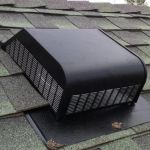 Why Proper Roof Ventilation Helps Prevent Attic Mold & Ice Damage
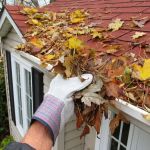 How to Protect Your Roof from Seasonal Weather Damage
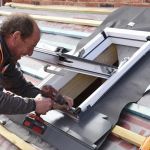 How Roof & Window Flashing Work Together to Prevent Leaks
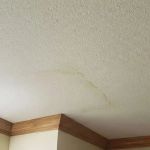 How to Spot Roof Damage Before It Affects Interior Walls Guide
 htmlCopy codeBest Roof Solutions for Urban Homes vs Rural Homes
 The Ultimate Guide to Roof Replacement for Homeowners | Total Roofing Hub