
- early-roof-warning-signs - How to recognize roof damage before leaks spread inside walls
- water-intrusion-pathways - How roof leaks travel into ceilings and interior walls
- inspection-and-prevention - Practical steps for early roof inspection and maintenance
- storm-and-weather-impact - How storms accelerate roof deterioration and hidden damage
- real-homeowner-cases - Real examples of roof damage discovered too late
Why Learning Roof Damage Signs Early Matters
Understanding roof damage signs early can make the difference between a simple repair and a major home renovation. Most homeowners do not notice a problem until water reaches interior walls, but by that point, the damage has already spread beyond the roof structure.
One homeowner in Florida once shared how a small discoloration on a bedroom ceiling turned into a full wall replacement project. What started as a minor roof leak detection issue ended up revealing hidden structural damage caused by months of unnoticed water intrusion. This type of scenario is more common than most people realize.
Austin Roofing Systems
12600 Hill Country Blvd R-275, Bee Cave, TX 78738, USA
How Roof Damage Develops Over Time
Roof damage rarely appears suddenly. It develops gradually through small cracks, missing shingles, or weakened flashing that allows moisture to enter the roofing system. Once water penetrates the outer layer, it begins traveling through insulation and wood structures before eventually reaching interior walls.

Stage 1: Minor Surface Damage
At this stage, damage is usually invisible from the ground. Slight curling shingles, minor granule loss, or small gaps in roofing materials are early indicators. These issues may not seem urgent but are the first step toward water intrusion.
Stage 2: Moisture Penetration Begins
Once the roof barrier weakens, rainwater begins to seep into underlying layers. This is when early roof inspection tips become critical. Moisture may not yet be visible indoors, but insulation and wood framing may already be absorbing water.
Stage 3: Interior Wall Damage Appears
This is the most noticeable and costly stage. Homeowners may see stains, bubbling paint, or damp drywall. At this point, interior wall water damage has already occurred, and repairs often require both roofing and interior restoration work.
Common Causes of Roof Damage
Roof issues can result from weather, aging materials, or poor maintenance. Storms are one of the most common triggers, especially in regions with heavy rain, snow, or wind.
Storm and Weather Impact
High winds can lift shingles, while heavy rain exposes weak points in roofing systems. In one real case, a Midwest homeowner experienced storm roof damage warning signs after a hailstorm but delayed inspection. Weeks later, water stains appeared inside multiple rooms.
Aging Roof Materials
Over time, roofing materials naturally degrade. Asphalt shingles lose granules, sealants weaken, and flashing becomes brittle. Without regular roof maintenance guide practices, these small issues accumulate into larger problems.
Blocked Gutters and Drainage Issues
Clogged gutters prevent proper water flow, forcing rainwater to back up under shingles. This often leads to hidden leaks that eventually affect interior walls.
How to Spot Roof Damage Before It Becomes Serious
Early detection is the most effective way to prevent costly repairs. Homeowners should perform visual inspections both outside and inside the home regularly.
Exterior Warning Signs
Look for missing shingles, sagging roof sections, or visible debris buildup. After storms, check for displaced roofing materials or unusual roof surface patterns.
Interior Warning Signs
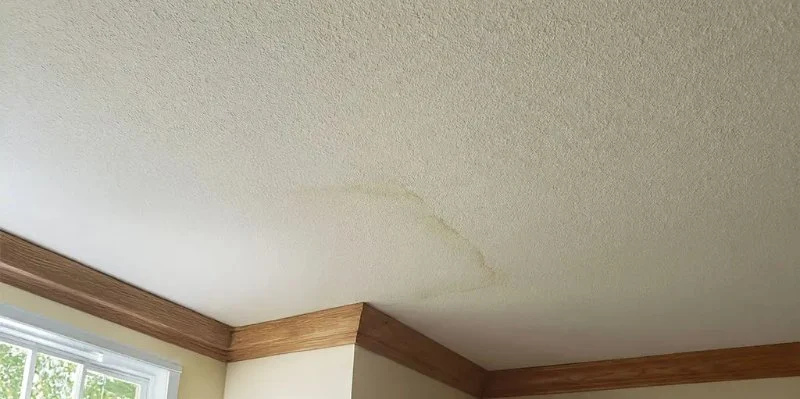
Inside the home, watch for ceiling stains, peeling paint, or musty odors. These often indicate that moisture has already entered the structure.
Attic Inspection Clues
The attic is one of the best places to detect early roof leak detection issues. Damp insulation, light coming through roof boards, or mold growth are strong indicators of hidden damage.
Real Homeowner Experience: Catching Damage Too Late
A homeowner shared how they noticed a faint water ring on their living room ceiling but assumed it was old. Months later, the stain expanded, and interior walls began showing soft spots and peeling paint.
When a roofing contractor finally inspected the home, they discovered that a small roof leak had been active for nearly a year. The repair required not only roof replacement but also extensive interior wall reconstruction.
Why Water Travel Makes Roof Leaks Hard to Detect
Water does not always drip straight down. It often travels along beams, insulation, and wiring before becoming visible inside the home. This is why roof damage signs may appear far from the actual leak source.
By the time interior damage becomes visible, the leak may have already spread across multiple structural areas. This hidden movement makes early inspection extremely important.
Simple Inspection Routine for Homeowners
A consistent inspection routine can help identify problems before they escalate. Homeowners should check their roofs seasonally and after major storms.
Walk around the home and visually inspect roof edges, gutters, and attic spaces. Even small changes, such as discoloration or loose shingles, should be noted and monitored.
For more advanced support, platforms like Total Roofing Hub can help homeowners connect with professionals who specialize in roof maintenance and early damage detection.
Preventing Roof Damage Before It Starts
Prevention is always more cost-effective than repair. Regular maintenance, cleaning gutters, and replacing damaged shingles early can significantly extend roof lifespan.
Homeowners who invest in periodic inspections often avoid major structural issues. Even small preventive actions can stop moisture from reaching interior walls.
When to Call a Roofing Professional
If any signs of persistent leaks, sagging, or interior staining appear, it is important to seek professional help immediately. Delaying repairs can lead to more extensive structural damage.
A roofing expert can perform a detailed inspection, identify hidden leaks, and recommend targeted repairs before the issue spreads further into the home.
Understanding Long-Term Risks of Ignoring Roof Damage
Ignoring early roof damage can lead to mold growth, weakened structural beams, and costly interior repairs. Moisture trapped inside walls creates long-term health and safety risks for homeowners.
Addressing issues early not only protects the home but also preserves property value and reduces future repair costs significantly.

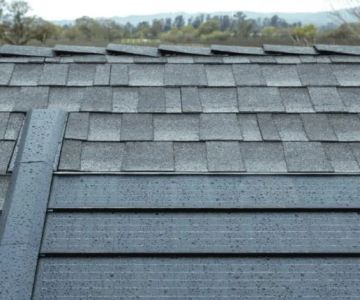

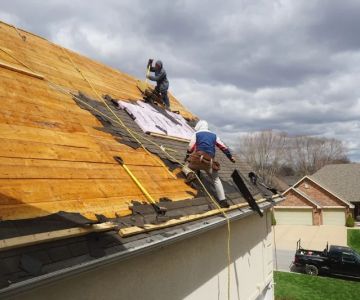
 On Top Of Our Job5.0 (34 reviews)
 Always Perfect Contracting Inc4.0 (142 reviews)
 Woody Cushing Roofing Co4.0 (16 reviews)
 Cape Cod Fine Finishes LLC5.0 (126 reviews)
 Coastal Elite Roofing5.0 (85 reviews)
 Rockland Roofing LLC4.0 (17 reviews)
 Ultimate Guide on How to Budget for a Roof Replacement Project
 Siding Upgrade Ideas That Don’t Break the Bank
 How to Maintain Roof Performance for Years: Essential Tips and Strategies
 How to Prevent Water Damage from Roof Vent Problems: Complete Home Protection Guide
 Should I Repair or Replace My Roof? – Key Factors to Consider
 How to Match Roof Shingles with Your Siding Color | Expert Tips for Homeowners