
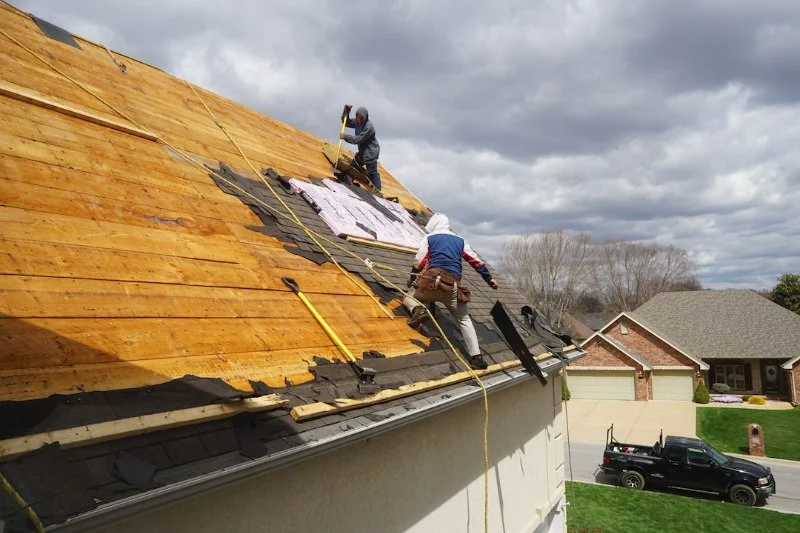
- 1 - Temperature Stress on Roofs - How Extreme Weather Causes Damage Over Time
- 2 - Summer Heat Protection - Preventing UV and Thermal Expansion Damage
- 3 - Winter Cold Defense - Managing Ice, Snow, and Freeze-Thaw Cycles
- 4 - Roofing Materials and Performance - Why Some Roofs Last Longer
- 5 - Real Homeowner Cases - Lessons from Weather-Related Roof Failures
- 6 - Maintenance Strategy - Building a Year-Round Protection Plan
- 7 - Professional Roofing Insights - What Experts Recommend for Longevity
1. Temperature Stress on Roofs - How Extreme Weather Causes Damage Over Time
Understanding how to protect your roof from temperature extremes begins with recognizing how dramatically weather affects roofing systems. Roofs are constantly exposed to expansion and contraction cycles caused by heat during the day and cooling at night. Over time, this repeated movement weakens shingles, loosens fasteners, and creates micro-cracks that may not be visible until leaks begin to form.
In many parts of the United States, homeowners experience both scorching summers and freezing winters. This combination is particularly damaging because materials are forced to adapt repeatedly within short time spans. Asphalt shingles may become brittle in cold weather, while excessive heat can soften and warp them. Even metal roofs, known for durability, are not immune to thermal expansion stress if not properly installed with allowance for movement.
What makes temperature damage especially dangerous is its slow progression. Unlike storm damage, which is immediate and visible, temperature-related wear builds silently. By the time leaks appear inside the home, the underlying structural issues are often already advanced.
Mr. Handyman of Greater Savannah and Hilton Head
200 Governor Treutlen Rd Suite 19, Pooler, GA 31322, USA
2. Summer Heat Protection - Preventing UV and Thermal Expansion Damage
Summer heat is one of the most underestimated threats to roofing systems. Roof surfaces can reach temperatures significantly higher than the outdoor air, especially in regions with intense sun exposure. This creates constant stress on roofing materials, adhesives, and protective coatings.
Allies Roofing and Construction LLC
305 E Huntland Dr #610, Austin, TX 78752, USA
2.1 UV Radiation and Surface Degradation
Ultraviolet rays gradually break down roofing materials, especially asphalt-based shingles. Over time, this leads to fading, brittleness, and loss of protective granules that shield the roof from further damage.
2.2 Heat-Induced Expansion
As materials heat up during the day, they expand. At night, they contract. This daily cycle creates small but cumulative stress fractures. Poor ventilation in attic spaces can worsen this effect by trapping heat underneath the roof surface.
2.3 Real-World Example: Arizona Heatwave Impact
During a recent heatwave in Arizona, many homeowners reported premature shingle deterioration after just a few years of installation. Contractors found that inadequate attic ventilation was a key contributor. Homes with proper airflow systems experienced significantly less damage, even under identical weather conditions.
To reduce heat stress, homeowners often explore reflective coatings or improved ventilation systems. Platforms like Total Roofing Hub can help connect property owners with materials and services designed specifically for high-temperature environments.
3. Winter Cold Defense - Managing Ice, Snow, and Freeze-Thaw Cycles
Cold weather introduces a completely different set of challenges. Instead of expansion from heat, roofs face contraction and moisture-related risks that can lead to structural damage.
3.1 Ice Dams and Water Backflow
One of the most common winter problems is ice dam formation. When snow melts on warmer sections of the roof and refreezes near colder edges, it creates a barrier that prevents proper drainage. This trapped water can seep under shingles and cause interior leaks.
3.2 Freeze-Thaw Cycle Damage
Water that enters small cracks during the day can freeze at night, expanding and widening those cracks. Over time, this process significantly weakens roofing structures.
3.3 Snow Load Pressure
Heavy snowfall adds physical weight to roofs. While most modern structures are designed to handle standard loads, excessive accumulation can stress older or poorly maintained systems.
In northern U.S. states, homeowners often underestimate how quickly small winter issues escalate. A minor leak in December can turn into major structural damage by March if not addressed early.
4. Roofing Materials and Performance - Why Some Roofs Last Longer
Not all roofing materials respond the same way to extreme temperature changes. Understanding these differences is essential when considering long-term durability and maintenance expectations.
4.1 Asphalt Shingles
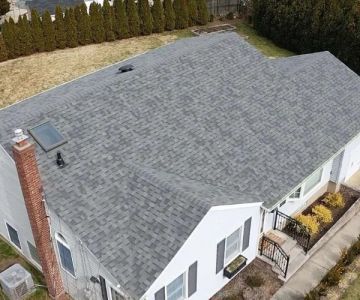
Asphalt shingles are widely used due to affordability and ease of installation. However, they are also more vulnerable to heat softening and cold brittleness compared to other materials.
4.2 Metal Roofing Systems
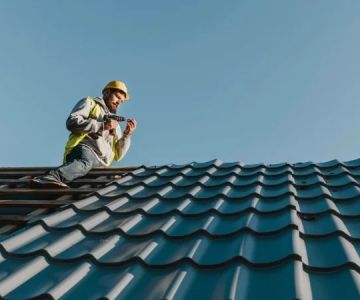
Metal roofs perform well in extreme weather due to their durability and resistance to cracking. However, they must be installed with proper expansion joints to accommodate thermal movement.
4.3 Clay and Concrete Tiles
These materials offer excellent heat resistance but can be susceptible to cracking under freeze-thaw conditions if moisture penetrates the surface.
4.4 Synthetic Roofing Materials
Modern synthetic roofing systems are designed to withstand both heat and cold extremes. They often incorporate flexible polymers that reduce cracking and improve durability under stress.
Choosing the right material is not just a financial decision—it is a climate adaptation strategy that directly impacts how to protect your roof from temperature extremes effectively.
5. Real Homeowner Cases - Lessons from Weather-Related Roof Failures
Real experiences often reveal insights that technical explanations cannot fully capture.
5.1 Case Study: Midwest Freeze Damage
A homeowner in Illinois noticed minor ceiling stains during winter. Initially ignored, the issue escalated after repeated freeze-thaw cycles widened roof cracks. By spring, water damage required partial roof replacement. The root cause was traced to poor attic insulation and trapped moisture.
5.2 Case Study: Southern Heat Degradation
In Texas, a family experienced rapid shingle deterioration after a particularly hot summer. The roof was only six years old, but poor ventilation accelerated material breakdown. Contractors recommended installing ridge vents and reflective underlayment to prevent future damage.
5.3 Case Study: Coastal Temperature Fluctuations
A coastal homeowner faced both high humidity and temperature swings. The combination caused adhesive failure in shingles, leading to wind uplift damage during storms. Regular inspection could have identified early warning signs.
These cases highlight the importance of proactive maintenance and environmental awareness when considering how to protect your roof from temperature extremes.
6. Maintenance Strategy - Building a Year-Round Protection Plan
A strong roofing maintenance plan is not reactive—it is preventive. Homeowners who follow seasonal maintenance routines significantly reduce long-term repair costs.
6.1 Seasonal Inspections
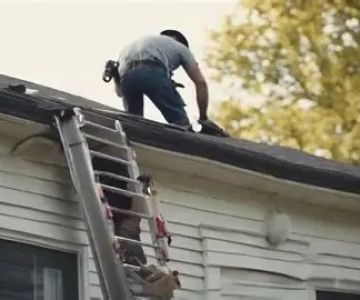
Inspecting the roof before and after extreme seasons helps identify early damage such as loose shingles, clogged gutters, or minor leaks.
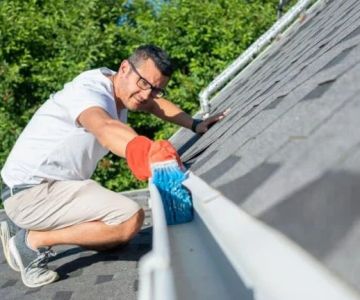
6.2 Gutter and Drainage Care
Blocked gutters can cause water to pool and freeze, increasing the risk of ice dams in winter and water infiltration in summer storms.
6.3 Attic Ventilation Management
Proper airflow reduces heat buildup in summer and moisture accumulation in winter. This balance is essential for maintaining structural integrity.
Homeowners who want structured maintenance support often rely on professional platforms like Total Roofing Hub to find trusted services, materials, and seasonal inspection guidance tailored to local climate conditions.
7. Professional Roofing Insights - What Experts Recommend for Longevity
Roofing professionals consistently emphasize that prevention is more cost-effective than repair. Small investments in ventilation, insulation, and regular inspections can extend roof lifespan significantly.
Experts also stress the importance of material selection based on regional climate. A roofing system suitable for dry heat may not perform well in freezing environments, and vice versa.
Another key recommendation is early intervention. Many homeowners wait until leaks appear before seeking help, but by that stage, structural damage is often already advanced. Proactive inspection schedules—ideally twice per year—can prevent costly repairs.
Ultimately, learning how to protect your roof from temperature extremes is about combining awareness, maintenance, and informed decision-making. With the right approach and access to reliable resources such as Total Roofing Hub, homeowners can significantly extend the lifespan of their roofing systems and avoid unnecessary damage caused by seasonal stress.
 CD Roofing0.0 (0 reviews)
 Fiderio & Sons4.0 (84 reviews)
 CR3 American Exteriors4.0 (13 reviews)
 Royal Roofing and Renovations5.0 (77 reviews)
 Next Generation Roofing4.0 (874 reviews)
 TKO Construction & Roofing LLC5.0 (1 reviews)
 How Much Does a New Roof Cost in 2025? A Complete Guide to Roofing Prices
 What to Know About Roofing Permits and Local Regulations
 Asphalt Shingle Roof Lifespan: How Long Should It Last? | Top Tips
 Cedar vs Engineered Wood Siding: Which One Is More Durable? | Total Roofing Hub
 Roof Sheathing Replacement: When It Becomes Necessary for Your Home
 How to Budget for a Roof Replacement Project – Expert Tips and Advice